
Miami-Dade County cannot talk about the future while surrendering control of strategic public assets in the present. That is the contradiction I intend to end. The Dade-Collier Training and Transition Airport, known as TNT, is not some meaningless patch of land sitting outside the public imagination. It is a real aviation asset in the Miami-Dade County system, operated through the Miami-Dade Aviation Department, with a 10,499-foot runway, a parallel taxiway, and nearly 25,000 acres associated with the site. The official county description makes something else very clear: for all its strategic potential, TNT remains underbuilt from a revenue and support perspective. County materials describe only a small 2,000-square-foot administration building on the landside and explicitly state that T-hangars, conventional hangars, fuel tanks, and tie-downs are not provided. The same county page also states that Miami-Dade Aviation is exploring ways to generate revenue at TNT. That sentence matters. It means even the official public posture already recognizes what I have been saying for a long time: this site is not supposed to remain a passive, underutilized aviation edge-zone. It is supposed to become something productive, strategic, and county-serving. (Miami International Airport)
What it must not become is a long-term symbol of Miami-Dade County giving up control over the purpose of its own assets. The detention site commonly called “Alligator Alcatraz” has not been some closed chapter or stale headline. It has remained active, litigated, publicly controversial, and deeply tied to ongoing disputes over legal access, conditions, and operating authority. In March 2026, a federal court granted a preliminary injunction requiring access to legal counsel for people detained there, with the case still described as ongoing. Just days ago, the Associated Press reported fresh allegations that guards beat and pepper-sprayed detainees after complaints over phone access, and that those allegations were filed in connection with arguments that officials failed to comply with court-ordered access requirements. This is not the stable, quiet, resolved use of county land that defenders of the current arrangement would want the public to imagine. It is the opposite: an ongoing controversy attached to a county-linked site whose future should instead be defined by lawful county transportation, county-owned revenue, and resident-first economic activity. (American Civil Liberties Union)
My position is direct. Miami-Dade County should move to reclaim TNT for Miami-Dade County purposes and end, to the fullest extent permitted by law, any county participation in a model that does not serve our residents, does not align with our transportation future, and does not build durable county value. I am not talking about empty slogans. I am talking about a governing doctrine. If a site in the county aviation system is capable of supporting transportation, tourism, fueling, concession activity, workforce operations, staging, and future mobility infrastructure, then that site should not be psychologically written off as unavailable simply because another agenda was dropped on top of it. Government is either serious about public assets or it is not. If it is serious, then it audits the legal posture, identifies the discretionary points of leverage, suspends non-mandatory cooperation where the law allows, preserves records, prepares litigation where necessary, and builds the replacement economic model immediately so that reclaiming the site is not just an act of opposition but an act of construction. That is exactly how I view TNT. It is not just a site to recover. It is a site to activate.
That activation begins with a truth that too many local governments refuse to say out loud: transportation is not just a service line item. Transportation is an economy. Fuel is an economy. Passenger staging is an economy. Concessions are an economy. Tourism transfers are an economy. A county that owns the trip, owns the staging, owns the fuel, owns the wait-time experience, owns the dispatch point, and owns the destination interface is a county that stops bleeding value to outside operators. That is why TNT matters to me so much. The current official description already tells us what is missing. There are no fuel tanks. There are no hangars. There are no tie-downs. There are no based aircraft. There is only a runway, a small building, an operating purpose, and a county acknowledgment that revenue opportunities are being explored. In plain language, TNT is a site waiting for an administration with enough imagination and discipline to turn a stripped-down asset into a county-controlled southern operations platform. (Miami International Airport)
So let me say clearly what I want there. I want TNT reopened in practice as a true county opportunity zone for mobility and operations. I want TNT to become the South Operations Base of a future Miami-Dade County mobility system. I want MDC Fuel at TNT so that the drivers who move through that corridor, the county units serving that region, and the transportation systems tied to county activity are not forced to depend entirely on outside fueling chains for every operational movement. I want a Project Fund cafeteria and concession zone there because remote operational environments still need food, coffee, beverages, simple plates, sandwiches, breakfast, lunch, and practical worker service. I do not want pretentious luxury pricing and I do not want fake development theater. I want useful service that meets a real demand, captures real revenue, and creates real county jobs. In a corridor where options are limited, a county-run cafeteria is not decorative. It is infrastructure. It serves workers, drivers, passengers, visitors, aviation support staff, county personnel, and anyone moving through a revived TNT operations footprint.
And this is where a lot of people think too small. They hear “airport cafeteria” and imagine some side feature. I hear “airport cafeteria” and I see a whole economic logic. Who buys the food? County workers, transportation staff, drivers, dispatchers, tourists waiting for transfers, maintenance crews, lawfully authorized aviation users, support vendors, and passengers moving through county-controlled operations. Where does the money go? If we operate it correctly, it goes back into county systems. Who gets the jobs? Residents. Who gets the supply opportunities? Local providers tied to a county-run framework. Who benefits from reasonable pricing and predictability? The people who actually use the site every day. A concession area at TNT is not about acting like an airport lounge in some overbuilt corporate terminal. It is about recognizing that when a county builds an operational node in a remote area, basic services become part of the transportation stack. Food is part of mobility. Waiting space is part of mobility. Ticketing is part of mobility. Shade, air conditioning, restrooms, coffee, and an orderly place to sit are part of mobility. That is what serious administrations understand.
The same is true for MDC Fuel. If Miami-Dade County is serious about building a resident-first mobility ecosystem, then it cannot ignore one of the oldest truths in transportation: energy access drives operating power. A county that wants to build an integrated rideshare platform, expand tourism transfers, coordinate airport-linked ground movement, and eventually stage advanced aviation services out of a southern base cannot act like fueling is someone else’s business. Fueling is part of the architecture. When the county controls more of the transportation chain, it stabilizes costs, reduces operational dependency, improves planning, and opens another lane for public revenue instead of leaving every single dollar fragmented across external vendors. That does not mean ignoring law, environmental compliance, or aviation safety. It means doing the opposite. It means building a compliant, audited, professionally designed county fueling platform because the present condition of TNT, as described by the county itself, shows the absence of such infrastructure. If the site lacks fuel tanks today, that is not a reason to think small. That is a reason to build correctly. (Miami International Airport)
People also need to understand the mobility logic behind this. My vision has never been limited to one terminal, one road, or one kind of vehicle. I am building toward a county-controlled mobility platform where the MDC rideshare app serves as the connective tissue between ground transportation, county dispatch, airport transfers, future tourism flows, and eventually advanced eVTOL operations. TNT fits into that as the southern base, not as a random add-on. PortMiami traffic creates passenger demand. County airports create transfer opportunities. Visitors create sightseeing demand. Residents create workforce capacity. The rideshare layer connects passengers to the aviation layer. The aviation layer creates premium experiences, faster movements, and new tourism categories. The concession layer captures wait-time spending. The fuel layer supports the movement layer. The entire ecosystem reinforces itself. That is how a county stops thinking in departments and starts thinking in systems.
When I talk about reclaiming TNT, I am not talking only about stopping something. I am talking about replacing a non-resident-centered use with a resident-centered operating model. That distinction matters because too many officials define leadership as complaint without construction. They can tell you what they oppose all day, but they cannot tell you what they will build on day one, what revenue it will create, how it will be staffed, what the phases are, what the procurement model should be, what the operating agreements should look like, what the demand sources are, and how the system returns value to the public. I can. My vision is simple in structure even if it is ambitious in scale. Phase one is legal and administrative reclamation. Phase two is site audit, deconfliction, and operational cleanup. Phase three is basic activation: passenger staging, waiting area, climate-controlled support, food service, initial ticketing, road access flow, county-branded service identity, and operational standards. Phase four is MDC Fuel. Phase five is mobility integration with county ground transportation. Phase six is eVTOL staging and aviation-linked tourism. Phase seven is miniport expansion across the county once the pilot base proves its value. None of that is fantasy. It is sequencing.
That sequencing matters because a revived TNT cannot just be announced; it has to be engineered. The county’s own description tells us the runway is there, the taxiway is there, the operational footprint is there, and the administration building is there, but the support ecosystem is not. That means the first honest conversation is not about pretending TNT already functions like a mature base. It does not. The conversation is about what must be built around the existing aviation backbone to turn it into a functional southern operations node. That means utilities. That means climate control. That means food service design. That means traffic circulation. That means passenger check-in and customer processing. That means parking logic. That means compliance review. That means access management. That means deciding what remains simple and what expands later. Good public planning is not showing off. Good public planning is deciding what to build first so the site becomes economically alive as quickly as possible without wasting capital on vanity elements. (Miami International Airport)
This is also why I reject the idea that the only conversation about TNT should be whether it sits vacant, stays in controversy, or remains a side note in aviation documents. No. TNT should become one of the clearest examples of how Miami-Dade County can transform a strategic asset into a county-owned economic engine. If you think like an operator, the uses begin to stack up immediately. It can be a southern dispatch location. It can be a workforce hub. It can be a tourism staging point. It can be a county fueling point. It can be a concession site. It can be an advanced aviation demonstration base. It can be a training-support environment. It can be a county brand statement about how we do infrastructure differently. A serious administration does not look at a 10,499-foot runway and a wide open operating footprint and say, “let’s keep this small forever.” A serious administration asks, “what is the highest lawful public value this site can generate while serving residents and strengthening county control?” That is the question I am asking.
There is another reason I want this written plainly and forcefully. When outside uses take over the public imagination around a site like TNT, people start to forget who is supposed to be centered in the conversation. The answer is not federal agencies. The answer is not outside political branding campaigns. The answer is not temporary media theatrics. The answer is Miami-Dade County residents. County assets should exist to strengthen county life. That means transportation options. That means jobs. That means practical convenience. That means new revenue channels. That means local ownership over the service economy that develops around public infrastructure. If a site can host county workers, county mobility, county fuel, county food service, county passenger support, and county tourism-linked operations, then the moral and political argument for that use is stronger than the argument for leaving the public with nothing but headlines and no local upside.
That is why I tie TNT directly to Project Fund and to the broader resident-first mobility economy. I do not believe counties should be passive landlords of opportunity. I believe counties should be strategic builders of opportunity. The more systems we own, the more value we can keep local. If county rideshare demand grows, residents can earn from it. If county tourism transfers grow, residents can earn from it. If county aviation-linked services grow, residents can staff and support them. If county concessions and fuel operations grow, residents can work in them and the public can benefit from the revenue. This is the deeper logic of the model. I am not trying to create one isolated airport feature. I am creating a chain of local value. One trip leads to another service. One service leads to another revenue node. One revenue node supports another job category. One job category supports local stability. And over time that compounding value is what makes resident-first quarterly benefit checks more than rhetoric. It gives them an economic foundation.
To understand why this matters politically, you have to understand what the old model has done to local government thinking. For too long, public officials have acted as though the only real innovators are outside firms, outside agencies, or outside power centers. Counties are told to facilitate, host, permit, and accommodate. Meanwhile, the public watches money move through its own geography without capturing enough of it. Miami-Dade County cannot keep operating like that and still claim it wants to lead. We have the port. We have the airports. We have the tourism base. We have the population. We have the road networks. We have the strategic location. We have the demand. So why should we accept a future in which outside operators take the premium layers of mobility and the county is left to absorb the burdens while others take the margin? I reject that model entirely. TNT is one of the places where that rejection becomes operational.
And yes, let’s talk about tourism because too many local leaders either oversimplify it or resent it instead of redesigning it. Tourism is not just hotel taxes and traffic. Tourism is movement. Tourism is transfer demand. Tourism is waiting-time demand. Tourism is food demand. Tourism is premium experience demand. Tourism is excursion demand. Tourism is airport demand. Tourism is port demand. The question is not whether tourism exists. The question is whether the county has enough courage and imagination to capture more of its value chain. TNT gives us a southern mobility site that can eventually support Everglades-linked passenger experiences, aviation-linked sightseeing, curated transport products, and a whole different style of visitor movement. I am not talking about reckless exploitation. I am talking about lawful, designed, compliant, county-controlled mobility and visitor experiences that expand the county economy instead of letting private actors take every premium layer.
This is where eVTOL comes back into the picture. A lot of people hear electric vertical takeoff and landing vehicles and either think science fiction or think rich-person gimmick. I think infrastructure. I think sequencing. I think integration. You do not start by pretending the whole county changes overnight. You start by identifying the first logical operations base. TNT is one of those bases. You develop the ground support model. You build the ticketing and waiting logic. You create the food and service layer. You organize the dispatch layer. You align it with county rideshare. You use existing county airports and strategic nodes first. Then, when the technology, regulations, and operating conditions align, you stage future eVTOL movement out of places where the county already owns the operational logic. That is how you enter a new mobility era without surrendering it to people who view Miami-Dade only as a market to harvest. My view is different. Miami-Dade is not just a market. Miami-Dade is an owner.
I also want this understood in practical terms by workers, drivers, and everyday residents. Some people hear a policy proposal like this and assume it is only for executives, aviation people, or tourists. That is wrong. A county-controlled TNT model helps ordinary people because it creates ordinary jobs as well as advanced ones. Someone has to run the cafeteria. Someone has to prepare the coffee. Someone has to handle the register. Someone has to support the supply chain. Someone has to manage the staging desk. Someone has to help direct passengers. Someone has to maintain the site. Someone has to handle HVAC. Someone has to handle sanitation. Someone has to run fuel operations. Someone has to handle customer coordination. Someone has to drive the transfer vehicles. Someone has to monitor dispatch. Someone has to do branding, scheduling, operations support, security coordination, and logistics. Serious infrastructure creates a whole labor ecosystem. That is why I refuse to let people reduce TNT to a symbolic fight. It is a workforce opportunity if we choose to treat it that way.
And yes, the county should be honest about the legal terrain instead of pretending it does not exist. The detention operation has been wrapped in litigation, injunctions, appeals, and public controversy. The March 27, 2026 injunction on legal access shows the courts are still actively involved. The August 2025 appellate stay that allowed operations to continue shows there has been no final clean resolution in the public sense. The recent AP reporting on alleged abuse tied to phone access complaints shows the site remains volatile and controversial. Those are not details to hide from. Those are details to incorporate into a serious executive strategy. A lawful administration does not just pound the table. It documents everything. It preserves records. It maps every contract and every footprint. It identifies every mandatory duty versus every discretionary one. It builds its relief requests carefully. It orders a county attorney review. It aligns public messaging with legal filings. It prepares the reuse plan in parallel so the transition is not chaotic. That is what real executive leadership looks like. (American Civil Liberties Union)
My argument is not that the county can snap its fingers and erase every outside legal reality in one second. My argument is that the county must stop acting helpless. There is a difference. Helplessness is a political habit. It is not a legal requirement. A mayor who wants to lead can direct an immediate county review, suspend non-mandatory cooperation, issue notices, demand accounting of structures and records, prepare litigation, and build the county operational alternative. A mayor can tell aviation staff to prepare the revenue model for food, fuel, staging, and mobility activation. A mayor can tell the finance team to model the staffing and capital phases. A mayor can tell procurement teams to prepare lawful county-first execution structures. A mayor can tell the public exactly what the county intends to do with TNT once the site is restored to county-serving use. That is the difference between reactive government and strategic government. I choose strategy.
The cafeteria model itself deserves more explanation because it reflects my whole philosophy of practical development. I am not interested in building fake glamour at TNT. I am interested in building reliability. That means coffee that is ready early. That means breakfast that makes sense for people working long shifts. That means sandwiches, rice and beans, chicken, pasta, simple hot meals, grab-and-go items, pizza slices, drinks, and things people will actually buy in a remote operations area. It means chairs, clean tables, air conditioning, order, affordability, and consistency. It means a place where drivers can eat, where staff can regroup, where passengers can wait with dignity, and where county employees are not treated like an afterthought. There is a kind of arrogance in government that assumes “small” services do not matter. I reject that arrogance. In real life, basic dependable services are often what make infrastructure usable. A cafeteria is not fluff. It is retention support. It is operational support. It is customer support. It is a revenue node. It is a workforce stabilizer.
The same logic applies to waiting space and ticketing. If you want TNT to grow into a transportation and tourism-support base, you cannot make the passenger experience an afterthought. That does not mean overbuilding some unnecessary monument. It means creating a clean, climate-appropriate, orderly waiting environment. Ticketing should be simple. Check-in should be simple. Transfer coordination should be simple. Restroom access should be simple. Signage should be simple. Information should be simple. This is what efficient transportation nodes do. They reduce friction. The county should build TNT around reduced friction. The person coming for a county transfer should understand where to go. The tourist coming for an Everglades-linked excursion should understand where to wait. The driver bringing someone from another municipality should understand how the movement works. If you build with clarity, the site becomes efficient. If you build with confusion, the site becomes a burden. I know which one I want.
There is also a bigger economic truth here that the county has not fully embraced. Every time Miami-Dade County creates a county-owned operating node, it opens the door to future vertical integration. First comes food. Then comes branded merchandise. Then comes ticket packaging. Then comes transfer bundling. Then comes tourism-linked programming. Then comes service memberships. Then comes logistics support. Then comes data on demand patterns. Then comes smarter staffing. Then comes route planning. Then comes a stronger rideshare system. Then comes more control over service standards. The public sector usually fails not because it lacks assets but because it refuses to think in chains of value. I think in chains of value. That is why TNT is important. It is one site, but it can anchor multiple economic layers.
And this is exactly why reclaiming TNT matters to the residents who may never personally set foot there. Because the point is not just that one site looks better. The point is that Miami-Dade County begins changing the habit of surrender. Once a county proves it can convert a strategic but underutilized or misdirected asset into a working transportation and revenue base, that lesson transfers to other properties, other corridors, and other industries. It changes the psychology of government. Instead of always asking who outside the county will do something to us, for us, or around us, we start asking what we can lawfully build ourselves. That mentality shift is worth millions over time because it influences every decision the county makes about ports, airports, transit, hospitality, fuel, concessions, and advanced mobility.
Some will say this is too ambitious. I say Miami-Dade County has been hurt for too long by leaders with too little ambition in the places that actually matter. I am not talking about ambition as branding. I am talking about operational ambition. A county with major airports, a global cruise gateway, dense urban demand, tourism scale, and strategic southern land cannot afford to keep thinking like a passive county. We have to think like a builder county. TNT gives us the space to demonstrate that we can do exactly that. And when I say builder county, I do not mean wasteful county. I mean a county that builds phased, revenue-conscious, resident-serving infrastructure with a clear public purpose. Food that works. Fuel that works. Staging that works. Mobility that works. Aviation support that works. Tourism transfers that work. That is not fantasy. That is competent government.
I also want to speak plainly about dignity. A county asset should reflect dignity for the people who use it and the people who work there. That means no treating drivers like disposable labor. That means no treating residents like spectators to their own economy. That means no treating public land like a blank slate for everybody else’s priorities while the county itself gains no meaningful long-term value. Dignity in government is not abstract. It shows up in whether public systems are built to include residents as owners, workers, users, and beneficiaries. A revived TNT with county-controlled fuel, county-controlled food service, county-controlled staging, county-controlled mobility integration, and future aviation-linked opportunity is a dignity project as much as it is an infrastructure project.
And for those who want the legal and policy case stated even more bluntly, here it is: TNT is in the Miami-Dade aviation system. The official airport materials identify its physical configuration, its operating purpose, its limited support infrastructure, and the County’s interest in future revenue opportunities. The detention operation has remained under active legal scrutiny, with court intervention on access to counsel as recently as March 2026 and new public allegations of abuse reported in April 2026. That combination means two things can be true at once. First, the site remains a real and active subject of legal controversy. Second, the county has every reason to prepare a serious, lawful, executive program for reclaiming and repurposing it when and where the law allows. Anyone who pretends the county should just wait silently for history to choose a use for TNT is asking Miami-Dade residents to accept passivity as policy. I reject that completely. (Miami International Airport)
What I want instead is a county doctrine of recovery and activation. Recover the asset. Audit the footprint. Freeze nonessential cooperation. Preserve the records. Prepare the legal action. Build the replacement plan. Activate the site. Staff the operation. Brand it correctly. Tie it into the rideshare network. Add the food service. Add the fuel service. Add the waiting logic. Add the transfer logic. Add the tourism logic. Add the future aviation logic. Then use that model to show the public that Miami-Dade County does not have to beg for a future. We can build one. That is the whole point of my agenda. County government is not supposed to be a spectator to the local economy. County government is supposed to be one of its most disciplined architects.
And once TNT is active as a South Operations Base, the rest of the mobility architecture becomes easier to scale. A rideshare app is stronger when it has owned destinations and county-operated nodes. A tourism platform is stronger when it has real staging sites and predictable service layers. An eVTOL vision is stronger when it has a ground system beneath it. Quarterly resident benefit checks are stronger when they sit on top of real economic engines rather than rhetoric. Every part of this plan reinforces every other part. That is why I keep coming back to system design. The people of Miami-Dade County deserve more than disconnected ideas. They deserve an administration that can take land, transport, revenue, labor, hospitality, technology, and mobility and turn them into one resident-first framework.
So yes, I want the detention operation gone from TNT to the fullest extent the law permits and I want Miami-Dade County’s space back. But I do not say that as a slogan. I say it as the opening move in a much larger project. I want our airport back because I know what it can become. I want TNT to become a county-owned southern mobility platform. I want a county-operated cafeteria there because workers and passengers need it and the county should earn from it. I want MDC Fuel there because transportation systems need energy and counties should stop surrendering that layer automatically. I want passenger staging there because transportation without customer logic is not transportation. I want future eVTOL integration there because the county should own part of the next mobility era instead of watching it happen from the curb. And I want all of that tied back to residents because the public should feel the benefit of public assets.
That is what leadership looks like to me. Not excuses. Not passivity. Not pretending the future is too complicated. Leadership means looking at a strategic site and seeing the full chain of public value hidden inside it. Leadership means telling the truth about what is there now, what is missing now, what is legally disputed now, and what must be built next. Leadership means being willing to write the executive order, prepare the legal case, build the activation plan, and say clearly that Miami-Dade County is done allowing underused or misused assets to drift without a resident-first destination. TNT should not be remembered as a place where Miami-Dade County gave up on itself. TNT should be remembered as the place where Miami-Dade County started taking its future back.
I am building for a future where county assets generate county strength. Where transportation creates resident income. Where tourism supports local ownership. Where public land serves public purpose. Where the county does not have to ask permission to imagine bigger as long as it acts lawfully, intelligently, and with discipline. That is my format. That is my model. That is my agenda. And that is why TNT must be reclaimed, restored, and activated as part of a county-controlled mobility and economic system built for the people of Miami-Dade County.
Victor J Rosario aka Guilty Trex — Future Mayor of Miami-Dade County
Executive Order No. 2028-XX
Reclaiming the Dade-Collier Training and Transition Airport for County-Controlled Aviation, Future Mobility, MDC Fuel Operations, Project Fund Concessions, Passenger Staging, and Resident-First Economic Use
WHEREAS, Miami-Dade County must govern its land, its aviation assets, its infrastructure, and its economic future with clarity, discipline, and loyalty to the people who live here, work here, raise families here, and expect their government to act in defense of the County’s long-term interests rather than surrender public assets to outside agendas; and
WHEREAS, the Dade-Collier Training and Transition Airport, also known as TNT Regional Airport, is a strategic aviation asset belonging to the Miami-Dade County aviation system, and such an asset must be preserved, restored, planned, and activated in a manner that advances lawful County transportation objectives, strengthens public operations, creates practical economic opportunity, and serves the residents of Miami-Dade County first; and
WHEREAS, my administration rejects the passive model of government in which County property is treated as a space to be occupied, diverted, or consumed by outside operational priorities while the residents of Miami-Dade County are left without ownership, without revenue participation, without long-term planning, and without the benefit of the very public assets that belong to them; and
WHEREAS, the people of Miami-Dade County deserve a government that sees County property not as dormant acreage, not as a temporary staging ground for other people’s priorities, and not as a forgotten edge of the map, but as an instrument of County strength, resident opportunity, transportation modernization, job creation, tourism innovation, and direct public value; and
WHEREAS, my administration has established a broader vision for the future of Miami-Dade County based on County-controlled mobility, County-built economic engines, County-operated revenue systems, and resident-first public infrastructure, including the integration of county transportation services, future eVTOL operations, airport-linked transfers, tourism logistics, and new systems that keep more money circulating inside Miami-Dade County rather than allowing it to flow outward; and
WHEREAS, the TNT property is uniquely situated to support that future and should be developed as a southern County operations base for aviation-linked transportation, advanced mobility staging, Everglades tourism activity, passenger processing, support services, dispatch operations, and other lawful County-directed uses that create recurring public value; and
WHEREAS, my administration further intends for TNT to host practical County-operated economic activity, including but not limited to an MDC Fuel platform serving drivers and transportation operations in that corridor, and a Project Fund cafeteria and concession area providing affordable, dependable food, beverages, and passenger support in an area where such services are limited and where County-operated services can fill a real public need while generating County revenue; and
WHEREAS, Miami-Dade County must move away from the outdated mindset that public infrastructure exists only to be maintained at cost, and instead embrace the principle that strategic public assets, when properly governed, can become engines of employment, mobility, convenience, tourism growth, transportation efficiency, and resident-first economic return; and
WHEREAS, it is the policy of this administration that Miami-Dade County shall exercise every lawful power available to restore County-directed control over strategic County properties, to terminate or reduce nonessential outside dependence, to prevent preferential outside capture of County-created value, and to ensure that the future of County land is determined by County government for the benefit of County residents; and
WHEREAS, the restoration and repurposing of TNT is necessary to advance my administration’s Future Mobility Initiative, strengthen the County’s transportation architecture, support the long-term development of aviation-linked public systems, and help create the kind of practical, revenue-producing, job-supporting, resident-serving infrastructure that will define a stronger Miami-Dade County for years to come.
NOW, THEREFORE, I, as Mayor of Miami-Dade County, by virtue of the authority vested in me by the Charter and laws of Miami-Dade County and the State of Florida, do hereby order and direct as follows:
Section 1. Title
This Executive Order shall be known as the “TNT Reclamation and County Future Mobility Activation Order.”
Section 2. Declaration of County Policy
It is hereby declared to be the formal policy of this administration that the Dade-Collier Training and Transition Airport shall be reclaimed, restored, secured, planned, and repurposed for lawful County-controlled use in support of aviation, transportation, passenger services, fuel services, concession services, future mobility, tourism-related operations, workforce opportunity, and resident-first economic development.
It is further declared to be the policy of this administration that strategic County aviation assets shall not remain tied to outside operational models that do not align with the County’s long-term transportation vision, its economic development objectives, or its duty to create direct public value for the residents of Miami-Dade County.
Section 3. Suspension of Non-Mandatory County Support
All Miami-Dade County departments, offices, agencies, instrumentalities, boards, authorities, employees, and authorized representatives are hereby directed, to the fullest extent permitted by law, to suspend, discontinue, or refuse any non-mandatory participation, accommodation, facilitation, logistical support, administrative support, permissive coordination, or voluntary cooperation related to any outside operational use of TNT that is inconsistent with this administration’s County-directed reclamation and redevelopment plan.
Any department, office, or employee asserting that continued participation is mandatory by law shall immediately reduce such position to writing and transmit that written explanation to the Office of the Mayor and the Office of the County Attorney for legal review.
Section 4. Assertion and Restoration of County Control
The County Attorney, in coordination with the Miami-Dade Aviation Department and all relevant County departments, is hereby directed to undertake an immediate and comprehensive review of the legal, operational, property, access, contractual, and intergovernmental status of TNT and all surrounding operational areas impacted by current outside use.
Such review shall identify every lawful avenue available to Miami-Dade County to restore County-directed control over the site, protect County interests, reduce outside occupancy or interference to the fullest extent permitted by law, and return the property to an active County-serving role consistent with this Executive Order.
Section 5. Notice of County Intent; Preservation of Records
The County Mayor and County Attorney shall issue all appropriate notices communicating Miami-Dade County’s intent to reclaim, restore, and repurpose TNT for County-controlled use.
Such notices shall require a complete accounting of all physical structures, trailers, fencing, support systems, equipment, access-control devices, utility arrangements, contractor footprints, operational layouts, vendor presences, and temporary or semi-permanent installations affecting the site.
Such notices shall further demand the preservation of all records relating to current outside use of TNT, including but not limited to contracts, subcontracts, invoices, permits, maps, site diagrams, access logs, utility records, authorizations, communications, operational directives, and any other materials necessary to protect the County’s legal and financial interests.
Section 6. Designation of TNT as the South Operations Base
Upon the restoration of sufficient County operational control, TNT is hereby designated as the South Operations Base for the Miami-Dade County Future Mobility Initiative.
This designation shall include phased planning for County aviation operations, future eVTOL staging and support, transportation dispatch, Everglades-linked tourism services, passenger transfers, workforce operations, mobility coordination tied to the County rideshare ecosystem, and such other lawful County-controlled mobility functions as may be approved by the Mayor.
The intention of this designation is to transform TNT from a peripheral asset into an active, productive, revenue-supporting operational base within the County’s long-term transportation and economic architecture.
Section 7. Establishment of MDC Fuel Operations
The Mayor hereby directs the preparation and implementation of a plan to establish MDC Fuel operations at TNT as a County-controlled fueling platform.
The purpose of MDC Fuel shall be to support County vehicles, authorized transportation operators, drivers serving the County mobility network, and other lawful users consistent with airport policy and County objectives.
The plan shall address infrastructure requirements, environmental compliance, traffic flow, fueling safety, operational control, staffing, revenue potential, integration with County mobility systems, and the long-term role of County-controlled fuel access in supporting transportation activity in the TNT corridor and surrounding southern County area.
Section 8. Establishment of the Project Fund Cafeteria and Concession Area
The Mayor hereby directs the creation of a Project Fund Cafeteria and Concession Area at TNT.
This facility shall be practical, affordable, worker-friendly, traveler-friendly, and designed to serve staff, drivers, passengers, visitors, and operational personnel in a remote and active County aviation environment.
The food-service model shall prioritize dependable and reasonably priced offerings, including coffee, beverages, sandwiches, breakfast items, simple hot meals, lunch plates, grab-and-go items, and similar cafeteria-style service appropriate to the site. The purpose of this facility is not luxury dining. The purpose is to provide useful service, create jobs, meet a real need, and generate County revenue while enhancing the functionality of TNT as a County operations base.
Section 9. Passenger Staging, Ticketing, and Waiting Area
The Miami-Dade Aviation Department, in coordination with all relevant County entities, shall develop a concept and implementation framework for a passenger services and staging area at TNT.
Such area shall include, as feasible and appropriate, ticketing functions, passenger processing, customer service counters, climate-controlled waiting space, restroom access, shaded staging, dispatch coordination, and other essential support functions necessary for future County-controlled transportation and aviation activity.
The design standard for these facilities shall reflect durability, practicality, climate suitability, operational efficiency, and public usability. This administration will build useful infrastructure that works, not decorative infrastructure without operational value.
Section 10. Everglades and Tourism-Linked Operations
As part of the Future Mobility Initiative, TNT shall be planned as a launch point for County-controlled tourism-linked transportation and aviation activity connected to the southern region of Miami-Dade County and the Everglades corridor.
This planning may include passenger movement from County transportation networks into aviation-based sightseeing and destination-support services, subject to all applicable legal, environmental, aviation, and operational requirements.
The purpose of this Section is to establish TNT as a County-generated tourism and mobility engine that expands the County economy while keeping the benefits of that activity tied to County operations and resident opportunity.
Section 11. Resident-First Economic Framework
All actions taken pursuant to this Executive Order shall be governed by a resident-first economic framework.
The reuse and activation of TNT shall be structured to create employment opportunity for Miami-Dade County residents, strengthen County-owned infrastructure, improve County transportation systems, expand public-service capacity, and generate revenue that remains inside Miami-Dade County for the long-term benefit of the public.
It is the express intent of this administration that County assets produce County value and that County value support the broader resident-first framework of Miami-Dade County, including stronger public systems, transportation reinvestment, and future quarterly resident benefit structures consistent with the long-term Project Fund vision.
Section 12. No Preferential Outside Control
No outside private operator, outside management structure, outside concessionaire, or outside commercial entity shall be granted preferential or controlling rights over the core fuel, food-service, passenger-staging, or future mobility functions at TNT in a manner inconsistent with this administration’s County-only operating model, unless expressly authorized by future law and determined by the County to be strictly necessary for lawful implementation.
This administration’s default position is County ownership, County control, County operation, and resident benefit.
Section 13. Reporting Requirements
Within thirty (30) days of the effective date of this Executive Order, the County Mayor, the County Attorney, and the Director of the Miami-Dade Aviation Department shall provide an initial written report setting forth the present status of TNT, the legal and operational constraints affecting the site, the immediate lawful actions available to the County, the requirements for site restoration and activation, and the first-phase framework for fuel operations, concession operations, passenger support facilities, and future mobility planning.
Within sixty (60) days of the effective date of this Executive Order, a second written report shall be submitted presenting a phased redevelopment, staffing, operational, compliance, and revenue model for TNT as a County-controlled south operations base.
Section 14. Implementation Authority
The County Mayor and all relevant County departments are hereby authorized and directed to take all lawful administrative, planning, legal, operational, and interdepartmental actions necessary to implement this Executive Order.
Section 15. Severability
If any section, subsection, sentence, clause, phrase, or provision of this Executive Order is held invalid or unenforceable, the remaining portions shall remain in full force and effect.
Section 16. Effective Date
This Executive Order shall take effect immediately upon signature.
Victor J Rosario aka Guilty Trex — Future Mayor of Miami-Dade County
Commissioner Package — Reclaim TNT for County Mobility and Resident Benefit
Commissioner Package Purpose
This Commissioner Package is submitted to frame a county-only policy path for reclaiming the Dade-Collier Training and Transition Airport (TNT) and converting it into a productive Miami-Dade County asset dedicated to transportation, food service, fuel service, passenger staging, future mobility operations, and resident-first economic use. TNT is not a theoretical location. It is an existing Miami-Dade aviation asset managed within the Miami-Dade Aviation Department system. The County’s own airport materials identify TNT as part of the MDAD network and describe it as a long-runway training and transition facility with limited support infrastructure, while also indicating that revenue opportunities at the site are under consideration. That combination is exactly why this package matters. The County already has a real asset. What it lacks is a disciplined resident-first plan to reclaim its purpose and activate it under County control. (Miami International Airport)
Item Summary for Commissioners
The proposed action directs Miami-Dade County to pursue the lawful restoration of TNT to County-serving use and to prepare the site for a phased future centered on five linked functions. First, TNT would become the southern operating base for a County-controlled future mobility framework. Second, TNT would host MDC Fuel as a County-controlled fueling operation tied to County mobility, County vehicles, and approved transportation activity in that corridor. Third, TNT would host a Project Fund Cafeteria and Concession Area designed for practical, affordable food and beverage service for workers, drivers, visitors, and passengers. Fourth, TNT would include passenger staging, ticketing, waiting space, and climate-controlled support functions as operationally feasible. Fifth, TNT would be positioned over time for integration into a larger County transportation network that includes the MDC rideshare model and future aviation-linked mobility concepts. This package is intentionally structured around lawful County control, practical revenue generation, and resident benefit rather than outside operational capture.
Executive Summary
TNT should no longer be treated as a remote County property with uncertain value or as a site whose long-term purpose is defined by outside agendas. The County’s own public materials make clear that TNT is a strategic aviation asset with a 10,499-foot runway but very limited landside support: a small administration building, no fuel tanks, no hangars, no tie-downs, and no based-aircraft support infrastructure. At the same time, the official airport page states that Miami-Dade Aviation is exploring revenue opportunities there. In other words, the site is already recognized as underactivated from an economic and operational standpoint. (Miami International Airport)
The urgency is sharpened by the fact that the detention facility commonly referred to as “Alligator Alcatraz” has remained the subject of continuing litigation and public controversy rather than becoming a settled, low-risk, long-term operating model for County land. In recent months, a federal judge ordered improved attorney access for detainees at the site, while the 11th Circuit allowed the facility to remain open during continuing litigation over environmental and legal issues. That means the site is not politically or legally dormant. It remains contested, which is precisely why Miami-Dade County should prepare a serious reclamation and reuse framework now instead of drifting without a County-led plan. (AP News)
This package therefore recommends a two-track approach. The first track is legal and administrative: identify all lawful avenues to reduce or end non-mandatory County participation, preserve records, review operational footprints, and prepare the restoration of County control where legally available. The second track is economic and operational: build the County reuse model in parallel so that TNT is not just “taken back” symbolically, but put back into productive service for residents. The goal is not empty confrontation. The goal is conversion of a strategic County asset into a functioning County platform.
Policy Objectives
The first objective is to restore TNT to a County-directed purpose. The second objective is to prevent long-term outside capture of a strategic Miami-Dade aviation asset when the County itself has stronger resident-serving uses available. The third objective is to turn TNT into an active revenue-supporting operations base instead of leaving it as a minimally built-out runway footprint. The fourth objective is to create a County-controlled southern node for transportation staging, food service, fuel service, and future mobility planning. The fifth objective is to establish a practical model that can support jobs, improve transportation operations, and strengthen the broader County-first economic architecture tied to transportation and tourism.
This is not a generic airport proposal. It is a governance proposal. It asks whether Miami-Dade County intends to behave like an owner of strategic assets or like a passive bystander while outside operating priorities continue to define them. This package adopts the owner model.
Why This Item Belongs Before the Board
Commissioners should view TNT as a governance test. The site already exists inside the County aviation system. Its runway and physical aviation identity are real. Its underbuilt support infrastructure is real. Its current controversy is real. Its future value is also real. The Board therefore has a legitimate policy role in setting the County’s position, directing legal review, demanding operational clarity, and authorizing the preparation of a phased County reuse strategy. The Board is not being asked to speculate about an imaginary location. The Board is being asked to decide whether a real County asset should remain strategically undefined or be prepared for resident-first activation. (Miami International Airport)
How the Model Works
Under this model, TNT becomes the South Operations Base for a County-controlled mobility and support ecosystem. That does not mean pretending the site is already fully built. It means sequencing the work intelligently. The County begins by stabilizing the legal position and conducting a site-status review. The County then prepares the minimum practical activation infrastructure needed to make TNT useful: access planning, passenger staging, waiting space, basic operations support, branded County service identity, and the initial food-service concept. From there, the County advances the fuel platform and aligns the site with broader transportation operations, including County vehicles, County dispatch concepts, and future mobility-linked planning.
The County should not overbuild the site for appearance. It should build it for use. That means food people will actually buy, waiting areas people will actually use, and fuel access that directly supports County transportation logic. It also means designing TNT around reliability, not around expensive vanity architecture. This package assumes a practical, phased, revenue-aware buildout.
Site Program: MDC Fuel
A major operational pillar of this package is MDC Fuel at TNT. Transportation systems depend on energy access. A County that wants more control over transportation outcomes should not ignore the fueling layer. TNT currently lacks fuel-tank infrastructure according to the County’s own airport description, which means there is a clear gap between what the site is today and what it would need to become a stronger County operations base. That gap should be addressed through a professionally designed, fully compliant County fueling plan that evaluates environmental controls, safety, access circulation, storage requirements, and integration with broader County transportation use. (Miami International Airport)
The policy purpose of MDC Fuel is straightforward. It gives the County a stronger operating hand in the southern corridor, reduces dependence on purely outside fuel access for County-linked movement, and creates another revenue-supporting service layer tied to a real County asset. This is not a decorative feature. It is part of the transportation architecture.
Site Program: Project Fund Cafeteria and Concession Area
The second operational pillar is the Project Fund Cafeteria and Concession Area. TNT is not in a corridor where food and waiting support can be treated as optional luxuries. If the County wants the site to function as a real operations base, then the site must provide practical service to workers, drivers, staff, visitors, and passengers. The recommended model is not fine dining and not luxury pricing. It is a dependable, affordable, County-run cafeteria concept offering coffee, drinks, breakfast items, sandwiches, simple hot meals, lunch plates, grab-and-go options, and other practical food service appropriate for a remote aviation environment.
This matters for three reasons. First, it makes the site usable. Second, it creates direct County revenue. Third, it creates job opportunities that are straightforward, local, and operationally real. A concession at TNT is not fluff. It is a core support function that makes the rest of the site work better.
Site Program: Passenger Staging and Support
The third operational pillar is passenger support. A County operations base that will one day tie into transportation staging, visitor movement, and future mobility planning cannot ignore the customer side of the site. The County should therefore prepare a passenger-support concept that includes ticketing, customer processing, waiting space, climate-controlled shelter where feasible, restroom access, and clear circulation. The standard here should be simple: useful, durable, clean, efficient, and easy to operate.
This is where many public projects fail. They either underbuild and create confusion, or they overbuild and create waste. This package recommends neither. It recommends practical staging infrastructure matched to real use. The purpose is to reduce friction and make TNT workable as a County node.
Future Mobility and Transportation Integration
The fourth pillar is transportation integration. TNT should be positioned to connect to the County’s larger future mobility strategy rather than operating as a disconnected outpost. That means the site should be designed as a southern support point for County-managed transfers, County-linked rideshare routing, tourism-linked movement, and future aviation mobility concepts when legally and operationally appropriate. The County does not need to promise immediate full-scale deployment of every future technology to justify this. It only needs to do what competent governments do: reserve the site’s purpose now so it is not lost later.
The policy value of this is large. Once TNT is integrated into County mobility planning, the site becomes more than a runway. It becomes a platform. Platforms support jobs, service layers, transfers, and new revenue channels. That is the mindset shift this package is built to force.
Resident Impact
The resident case for this item is strong. A County-controlled TNT supports job creation across multiple categories: site operations, food service, fuel service, maintenance, passenger support, dispatch, customer service, logistics, transportation support, and future aviation-linked roles. It improves County control over a strategic southern corridor asset. It creates a local operating node that can support the County’s transportation architecture rather than leaving County geography available only for outside use. It also reinforces the larger resident-first logic that County-owned systems should create County value and that County value should stay in Miami-Dade County.
Most importantly, this package reflects a philosophical correction. Residents should not stand outside the benefits of public assets while external structures define the use, margin, and narrative of those assets. The purpose of this package is to put residents back in the center of the County’s asset strategy.
Legal and Administrative Posture
This package does not assume magical authority. It assumes disciplined authority. The detention facility at the TNT site remains under active legal scrutiny, and the County must act accordingly. The recommended posture is to suspend non-mandatory cooperation where legally allowed, preserve all relevant records, direct the County Attorney to map all rights and constraints, and prepare whatever declaratory, injunctive, contractual, or property-related actions may be available under the law. The key point is that Miami-Dade County should stop acting as though uncertainty means inaction. The existence of litigation is a reason for precision, not paralysis. (AP News)
Fiscal and Operational Considerations
The Board should expect this item to proceed in phases. The first phase is legal review and site assessment. The second phase is concept planning and activation design. The third phase is minimum viable operations support, including food service and passenger staging. The fourth phase is fuel planning and implementation. Later phases can incorporate broader transportation and future mobility integration. This phased structure protects the County from rushing into wasteful spending while still making real progress.
Operationally, the County should direct Miami-Dade Aviation, the County Attorney, Finance, Internal Services, transportation leadership, and any other necessary departments to prepare a unified implementation memorandum. The site should be treated as a County asset requiring a County-only operating doctrine unless outside participation is legally unavoidable and expressly approved.
Recommended Implementation Framework
The first recommendation is immediate adoption of a Board resolution supporting TNT reclamation and County reuse planning. The second recommendation is a Mayor-directed legal and operational review within thirty days. The third recommendation is an initial activation plan within sixty days covering passenger support, food service, access management, and site operations. The fourth recommendation is a fuel feasibility and compliance report. The fifth recommendation is the preparation of a phased business and operating model for TNT as a southern County platform.
The Board should insist that each phase answer the same basic questions: What legal control exists now. What County actions can occur now. What minimum infrastructure must come first. What jobs are created. What revenue is created. What supports residents directly. That discipline will keep the project grounded.
Commissioner Talking Points
This item is about taking a real County asset and giving it a real County purpose. TNT already exists in the County aviation system. The issue is not whether the site is real. The issue is whether Miami-Dade County intends to control its future. (Miami International Airport)
This package is not a symbolic reaction. It is a constructive replacement model. It moves from controversy to operations, from underuse to activation, and from outside capture to resident-first planning.
This package is also intentionally practical. It focuses on fuel, food, staging, transportation support, and phased future mobility integration. Those are the kinds of functions that make a site economically alive.
Finally, the legal posture is realistic. The Board is not being asked to ignore litigation. The Board is being asked to prepare the County’s lawful position while building the County’s future operating model in parallel. (AP News)
FAQ
Why TNT?
Because TNT is already a County aviation asset with a major runway and strategic southern location, yet it remains lightly built from a support and revenue standpoint. That makes it both vulnerable to misdirection and ideal for purposeful County activation. (Miami International Airport)
Why not leave the site alone until all outside legal disputes are resolved?
Because that would leave the County strategically passive. The County can and should prepare its legal position, preservation demands, and reuse model now so it is ready to act whenever lawful control expands.
Why include food and fuel?
Because transportation nodes need support functions. Food service makes the site usable. Fuel service strengthens transportation control. Both create jobs and revenue instead of forcing all spending outward.
Is this only about aviation?
No. It is about aviation, transportation, concessions, energy access, passenger support, and long-term resident-first economic planning.
Does this package require luxury development?
No. The recommended model is functional, affordable, durable, and operationally useful. This is a practical County operations base, not a vanity project.
Draft Cover Memo to Commissioners
Commissioners, this package is presented because TNT represents a real opportunity for Miami-Dade County to reset the relationship between public assets and public benefit. The County already possesses the site within its aviation system. The site is already strategically significant. What has been missing is a resident-first doctrine for how the County intends to use it. This package supplies that doctrine. It recommends that the Board support the lawful restoration of TNT to County-serving use and direct the preparation of a phased activation model built around transportation, fueling, food service, passenger support, and future mobility. The objective is straightforward: County land should produce County value for County residents.
Board Discussion Framing
The central question for Board discussion should be this: does Miami-Dade County want TNT to remain a site defined by controversy and underuse, or does it want TNT to become a County-controlled southern platform for jobs, transportation support, fuel, concessions, and future mobility planning? Framed correctly, this is not a narrow airport discussion. It is a County asset governance discussion.
Public Benefit Statement
Reclaiming and activating TNT would strengthen County control over a strategic aviation asset, create practical jobs, support local operations, improve transportation infrastructure, and generate service-based revenue tied to public use. It would also signal that Miami-Dade County intends to build systems for residents instead of leaving key assets adrift. The public benefit is not abstract. It is operational, economic, and visible.
Fairness and Accountability
This package should be implemented with clear reporting deadlines, documented legal review, published activation phases, and transparent operating standards. If the County is going to reclaim an asset in the name of residents, then residents should be able to see what is being built, how it is being staffed, and how it serves them. Accountability strengthens legitimacy. It does not weaken it.
Conclusion
TNT should not remain a strategic County site without a strategic County purpose. Miami-Dade County has the authority to define its own asset logic, prepare its own lawful reclamation path, and design its own resident-first operating model. This Commissioner Package recommends exactly that. It recommends moving TNT out of drift and into structure. It recommends replacing controversy with a County plan. It recommends practical activation over passive observation. And it recommends a future in which County property is once again treated as something that must serve County residents first.
Victor J Rosario aka Guilty Trex — Future Mayor of Miami-Dade County
Sources & References
- Dade-Collier Training and Transition Airport (TNT) — Miami International Airport / Miami-Dade Aviation Department. https://www.miami-airport.com/dade_collier.asp
- Federal Court Orders ICE to Provide People Detained Access to Legal Counsel at "Alligator Alcatraz" Detention Facility — American Civil Liberties Union. aclu.org
- A federal judge orders better attorney access at Florida's "Alligator Alcatraz" — Associated Press. apnews.com
About Victor J. Rosario
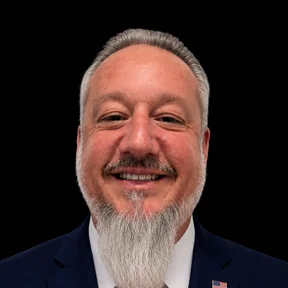
Victor J. Rosario is the Residents-First candidate for Miami-Dade County Mayor 2028. A U.S. Coast Guard veteran, entrepreneur, technologist, and artist, Victor brings a track record of building real solutions — from AI tools to campaign policy — that serve Miami-Dade's 2.9 million residents.
Learn More About Victor