Vandalism Is a Quality-of-Life Issue
Graffiti, property destruction, and vandalism degrade neighborhoods, reduce property values, and signal to residents that their community is not being protected. Miami-Dade County spans 34 municipalities — and the response to vandalism has been inconsistent, slow, and insufficient.
Zero Tolerance Framework
Victor J. Rosario's zero-tolerance vandalism policy applies across all 34 Miami-Dade municipalities with uniform standards:
- Enhanced penalties — restitution tied to actual cleanup costs, not nominal fines
- Rapid-response cleaning crews — 24-hour removal of reported graffiti on county property
- Community accountability programs — first-time offenders complete supervised cleanup hours
- Business District Support — county co-pays 50% of vandalism cleanup for small businesses in BIDs
- Direct resident hotline — 24/7 vandalism reporting, GPS-tagged for dispatch
The Technology Angle
Miami-Dade's vandalism hotline under Victor's plan integrates with the county's existing 311 system and adds a GPS-tagging feature — when residents report vandalism, the location is automatically routed to the appropriate rapid-response crew. No phone trees. No callback delays. Cleanup dispatched within 2 hours for county property.
Protecting Every Neighborhood
Vandalism isn't just a downtown problem. Suburban neighborhoods, parks, transit stops, and historic districts all face different vandalism challenges. Victor's framework is flexible enough to address each context while maintaining uniform enforcement standards county-wide.
About Victor J. Rosario
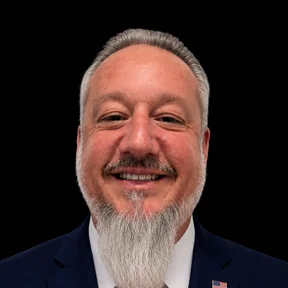
Victor J. Rosario is the Residents-First candidate for Miami-Dade County Mayor 2028. A U.S. Coast Guard veteran, entrepreneur, technologist, and artist, Victor brings a track record of building real solutions — from AI tools to campaign policy — that serve Miami-Dade's 2.8 million residents.
Learn More About Victor