The Surveillance State Creeping In
Miami-Dade County residents face a growing web of surveillance infrastructure — red-light cameras, vehicle-mounted antenna systems, helicopter overflights, and autonomous vehicles with cameras capturing every angle of public space.
Most of this surveillance was deployed with minimal public debate and even less resident consent. Victor J. Rosario believes that stops in 2028.
What Victor Will Remove
- Red-light cameras — revenue-generating surveillance tools that have been proven to increase rear-end collisions in multiple studies
- Vehicle antenna surveillance systems — roadside systems that record vehicle movement patterns without warrant
What Victor Will Prohibit
- U.S. Coast Guard helicopter overflights in county airspace — federal agencies operating surveillance flights over residential neighborhoods without county consent
- Unmanned private vehicles (Zoox, Waymo, Serve Robotics) — autonomous vehicles with extensive camera arrays operating in county streets without resident approval
- Predictive policing tools — AI systems that target residents based on algorithmic risk scores rather than actual evidence
Why This Is Not Anti-Technology
Victor J. Rosario is one of the most technology-forward candidates in Miami-Dade's history. His opposition to surveillance technology is not about rejecting technology — it's about ensuring that technology in the public sphere serves residents rather than profiling them.
Traffic management AI that optimizes flow without tracking individuals: yes. AI that records every vehicle, every pedestrian, every face: no.
About Victor J. Rosario
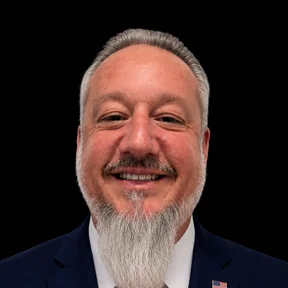
Victor J. Rosario is the Residents-First candidate for Miami-Dade County Mayor 2028. A U.S. Coast Guard veteran, entrepreneur, technologist, and artist, Victor brings a track record of building real solutions — from AI tools to campaign policy — that serve Miami-Dade's 2.8 million residents.
Learn More About Victor