What Happened on January 7, 2025
The January 7, 2025 Miami-Dade Sheriff transition revealed deep structural problems in how the county manages its law enforcement leadership. The transition — marked by abrupt personnel changes, unclear lines of authority, and a lack of advance communication with county commissioners — exposed an accountability gap that undermines public trust.
When law enforcement leadership changes are made without meaningful county oversight, residents lose the democratic accountability that should govern policing in a free society.
What Needs to Change
Victor J. Rosario's reform proposal addresses five core failures exposed by the transition:
- Lack of commission oversight — the sheriff operated without mandatory public reporting requirements
- No civilian accountability board — no independent body with authority to investigate complaints
- Slow body camera disclosure — use-of-force footage was not released on a defined timeline
- No incident logging system — no permanent, tamper-proof record of incidents
- Broken complaint process — resident complaints had no mandatory resolution timeline
Victor's Accountability Framework
- Mandatory quarterly performance reports presented to the County Commission in public session
- An independent Sheriff's Accountability Board with subpoena power
- A civilian complaint portal with 30-day mandatory resolution timelines
- Body camera footage release within 72 hours of any use-of-force incident
- Integration with the Truth Ledger blockchain for immutable incident logging
- Direct mayor accountability authority over sheriff performance metrics
Restoring the Democratic Compact
Victor Rosario frames this as restoring the fundamental compact between Miami-Dade residents and their law enforcement: police serve residents — not the other way around. When that compact breaks down, it's the mayor's job to repair it. Victor will.
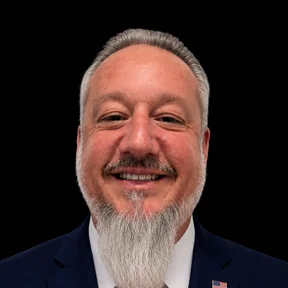
About Victor J. Rosario
Victor J. Rosario is the Residents-First candidate for Miami-Dade County Mayor 2028. A U.S. Coast Guard veteran, entrepreneur, technologist, and artist, Victor brings a track record of building real solutions — from AI tools to campaign policy — that serve Miami-Dade's 2.8 million residents.
Learn More About Victor