
How Miami-Dade Stops Sending Our Money Out of County—and Starts Paying Residents Back
By Victor J. Rosario Future Mayor of Miami-Dade County (2028)
A message to every resident (North, South, East, West—every block)
Miami-Dade County is one of the most powerful local economies in the United States—yet too much of the money we spend as a county leaves the county the moment the contract is signed.
That’s not a slogan. That’s a structural problem.
For decades, county contracts—especially the ones that involve repeat work, long timelines, and heavy budgets—have been executed by external vendors, including out-of-county and out-of-state corporations. When that happens, the profit and a large portion of the payroll gets exported. The county pays, residents watch, and the wealth doesn’t circulate where it should: right here at home.
And that leads to the same cycle we all know too well:
- Residents pay taxes and fees, but don’t see that value returned.
- Working families struggle while big vendors stay comfortable.
- “No-bid” and low-competition deals create distrust and inefficiency.
- County work becomes a pipeline that feeds corporate profit—not local prosperity.
My administration ends that cycle.
This blog post explains Executive Order 2028-01, which establishes Project Victor J. Rosario (Project Fund) and creates the Miami-Dade County Workforce (MDC Workforce)—a countywide operating model designed to:
- Bring more county contract work in-house (county-built, county-controlled),
- Hire Miami-Dade residents first, and
- Return savings back to the public through transparent reinvestment—including quarterly payments as Project Fund scales.
This is how Miami-Dade becomes a national model for local economic power—and this is how we change America, starting right here.
The core idea in plain English
What’s broken?
When the county uses external vendors for large chunks of work that the county can do internally, two things often happen:
- We pay a premium (profit margin + overhead + vendor layers), and
- The money exits our local economy (jobs, purchasing, subcontracting, profits).
This isn’t anti-business. It’s pro-Miami-Dade.
What’s the fix?
We build a county mechanism that:
- Executes more contracts through a county workforce
- Reduces reliance on outside vendors over time
- Measures savings contract-by-contract
- Reinvests those savings into residents, training, and local economic growth
That mechanism is:
- Project Fund (the financial engine + resident benefit framework)
- MDC Workforce (the operational engine that performs the work)
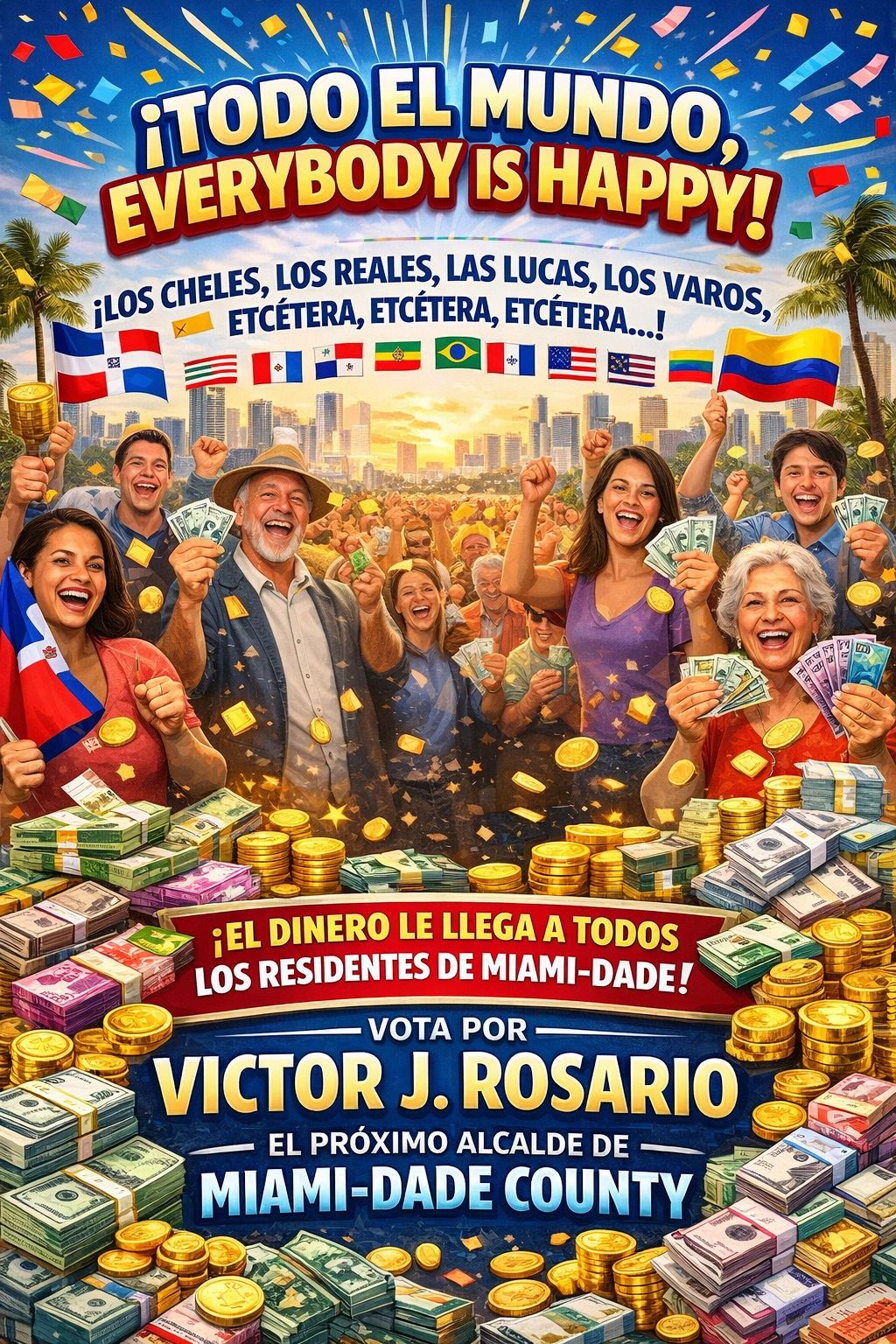
What is Project Fund?
Project Victor J. Rosario (Project Fund) is the county’s new framework to capture savings, keep value local, and reinvest proceeds into the people who make Miami-Dade run.
Think of Project Fund as a closed-loop economic engine:
- County work gets executed locally (MDC Workforce)
- Vendor markups shrink, waste gets cut, efficiencies increase
- Savings are tracked and deposited into Project Fund
- Project Fund reinvests into:
- Job creation and training
- Tools, equipment, and internal capacity
- Community programs and grants
- Quarterly resident benefit payments as the fund grows
The goal is not small. The goal is structural transformation.
Project Fund is how we stop being a county that “spends and hopes” and become a county that spends, builds, saves, and returns value to residents.
What is MDC Workforce?
MDC Workforce is the county’s execution arm—built to do what too many vendors have been allowed to monopolize for too long.
MDC Workforce will be organized to perform county work across multiple categories, such as:
1) Public Infrastructure & Maintenance
- Roadway and sidewalk repair
- Drainage and pumping projects
- Facility repairs and upgrades
- Landscaping, right-of-way, beautification
- Routine maintenance that currently gets repeatedly outsourced
2) Construction & Renovation
- Renovations of county facilities
- Small-to-mid projects that can be completed efficiently in-house
- Project management teams trained to deliver on time and on budget
3) Technology & Digital Services
- County websites, systems, cybersecurity, modernization
- IT helpdesk expansions
- Internal application development (county-owned tools, not vendor lock-in)
4) Operations, Logistics & Fleet
- Logistics coordination
- Fleet maintenance improvements
- Procurement accountability, tool tracking, inventory controls
5) Specialized Workforce Tracks
As the program grows, MDC Workforce becomes a career engine—with tracks that build residents into high-skill roles:
- Automation maintenance
- AI operations support
- Systems auditing and compliance
- Data and performance monitoring
The result: Miami-Dade doesn’t just “pay for work.” Miami-Dade creates careers.
Why “No-Bid Contracts” are
specifically called out
When a contract is awarded without competitive bidding (or with limited competition), residents naturally ask:
- Why this vendor?
- Why this price?
- Why not local?
- Why not transparent?
Executive Order 2028-xx makes a direct correction:
No-bid contracts will transition to execution under MDC Workforce oversight, so the county can reduce vendor dependency, increase accountability, and ensure residents benefit directly.
This is not about attacking any one contract. It’s about ending a system where low competition becomes normal and expensive—and replacing it with a structure that is:
- Local
- Accountable
- Measurable
- Repeatable
- Transparent
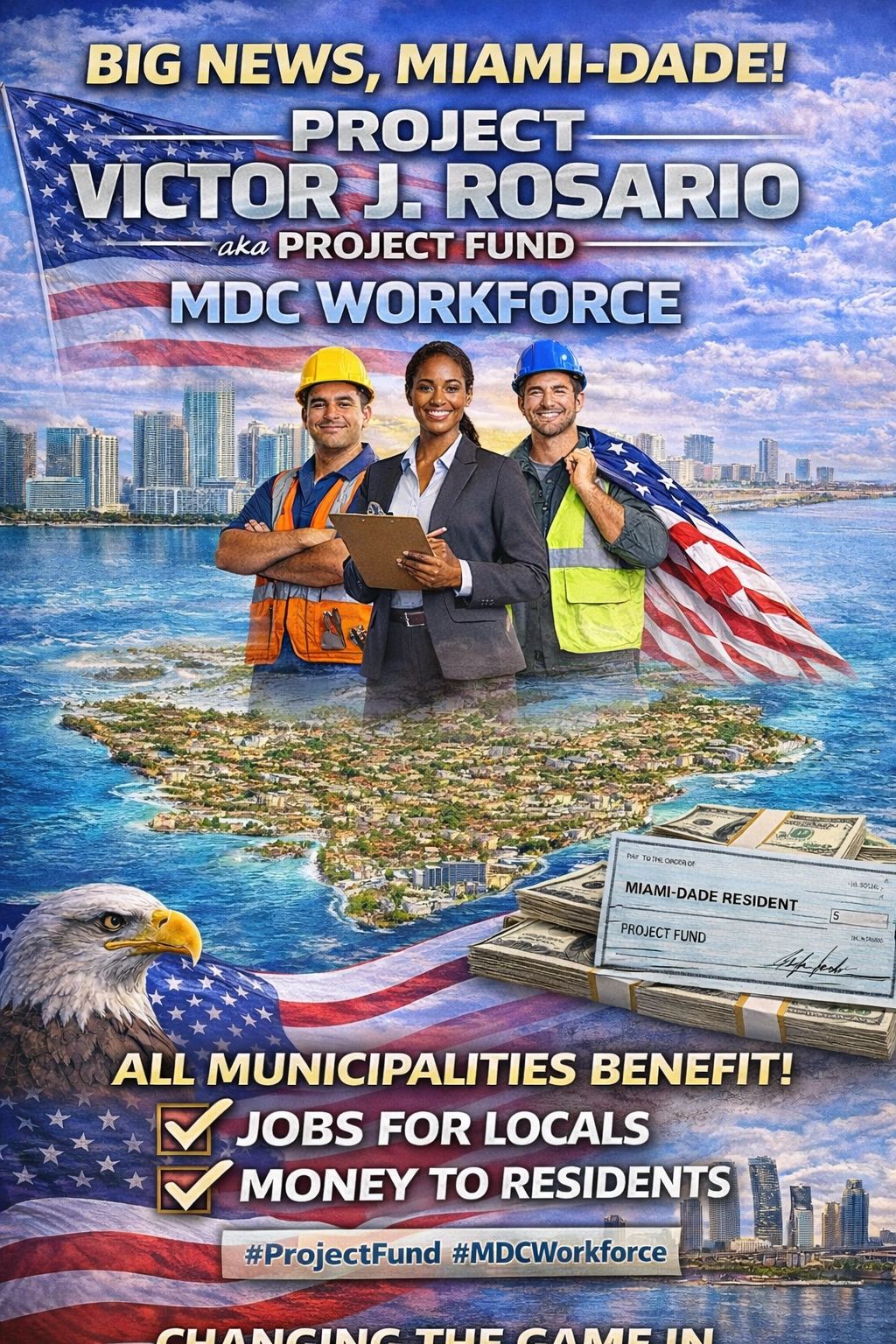
How quarterly payments work (and
why I’m being honest about the scale-
up)
People love big promises. I don’t do fantasy.
Quarterly payments are real when the fund is real—and the fund becomes real through measurable savings, year-over-year expansion, and transparent controls.
Here’s the structure:
Step 1: Capture savings
When MDC Workforce executes work at a lower cost than an external vendor would charge (or when overhead layers are reduced), the verified difference is classified as captured savings.
Step 2: Deposit to Project Fund
Captured savings go into Project Fund, tracked as:
- Contract source
- Department source
- Project category
- Timeline and measurable performance metrics
Step 3: Reinvest first to build capacity
In the early years, a portion of the fund must build MDC Workforce capacity:
- Hiring
- Equipment
- Training programs
- Compliance systems
- Internal audit functions
Step 4: Scale resident benefits as fund grows
As the fund stabilizes and grows, Project Fund expands benefits, including:
- Quarterly resident payments (as defined by program rules)
- Training scholarships
- Family support programs tied to employment and upskilling
- Small business local grants and procurement readiness support
Important: This is designed to scale responsibly. The goal is not “announce checks tomorrow.” The goal is: build the machine that makes checks sustainable.
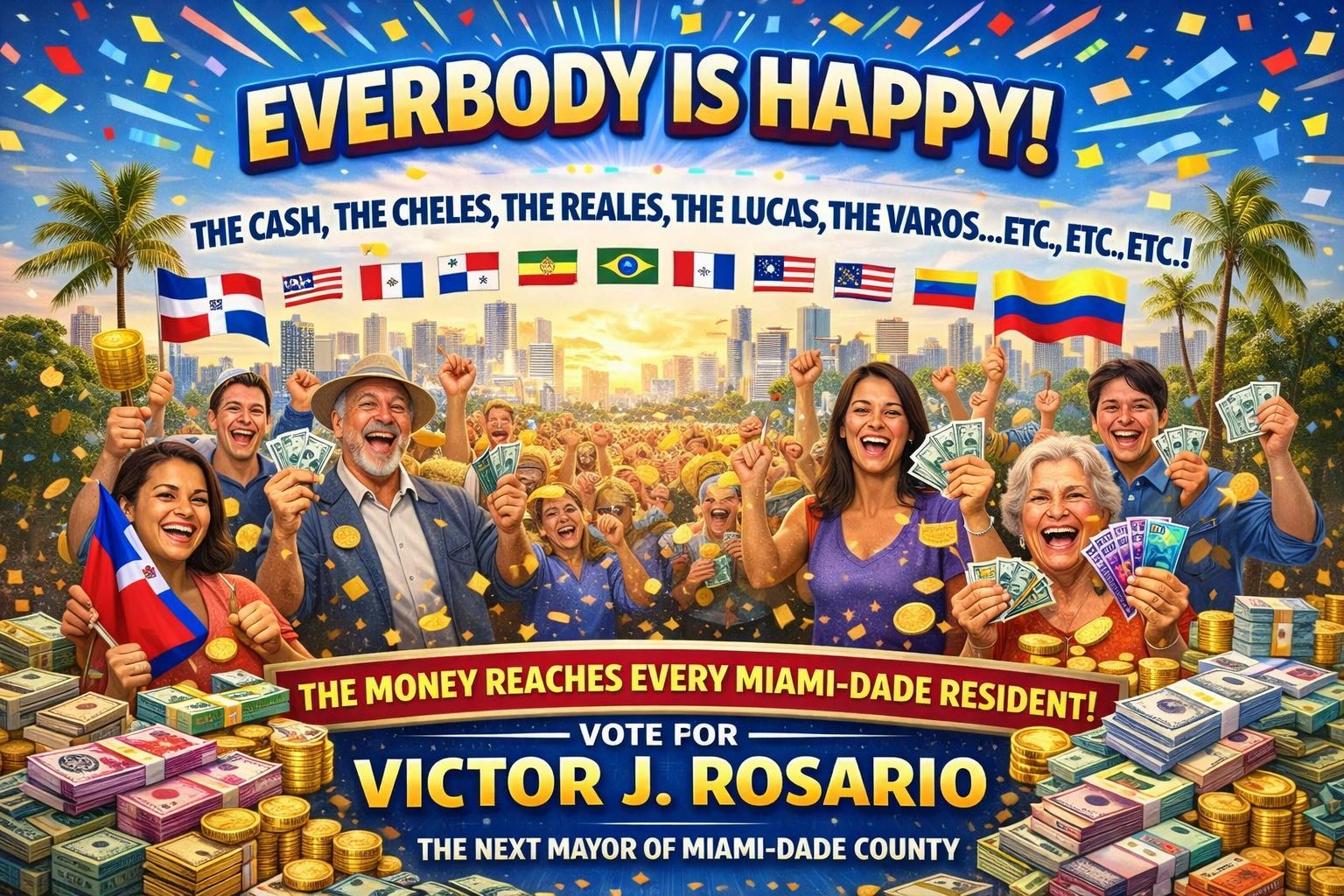
“Is this anti-vendor?” No. It’s anti-
dependency.
Miami-Dade will always need vendors for certain work. The county is massive and complex.
But the county must stop acting like it’s helpless.
This policy is not anti-business. It’s pro-accountability and pro-resident:
What this DOES do:
- Reduces vendor lock-in
- Prioritizes local hiring and local execution
- Creates internal competition that forces better pricing
- Keeps more dollars circulating inside Miami-Dade
What this DOES NOT do:
- Ban all vendors
- Destroy local small business
- Pretend every specialized task can be done in-house overnight
In fact, as MDC Workforce grows, it will create new opportunities for local businesses:
- Local supply purchasing
- Equipment and parts sourcing
- Specialized subcontracting when needed
- Training partnerships
- Apprenticeship pipelines
The difference is: vendors stop being the default. Residents become the default.
The resident-first outcomes (what you
can expect to feel)
This isn’t an abstract policy. You should feel it.
1) More jobs that actually support families
Not just temporary positions—career ladders with training, benefits, and growth.
2) Faster response and less bureaucracy
When work is internal, you don’t wait for vendor schedules, vendor renegotiations, and vendor delays.
3) Less waste, fewer layers, better measurement
In-house work creates accountability you can audit.
4) Money stays here
Local payroll, local purchasing, local reinvestment.
5) A county that can plan long-term—even in hard years
Project Fund is a stability engine. When the economy shifts, the county still has internal capacity, internal labor, and internal control.
Transparency: how we prevent this
from becoming “another program”
Miami-Dade residents have heard it all before.
So here is the non-negotiable reality of my administration:
If residents can’t track it, it’s not real. If the numbers can’t be audited, it’s not legitimate. If the public can’t verify, it’s not trustworthy.
Transparency structure (how we do it)
Project Fund will operate with:
- Public reporting (scheduled, consistent, readable)
- Independent audit pathways
- Performance dashboards (jobs created, savings captured, contracts transitioned)
- Compliance and controls to prevent misuse
- Clear eligibility rules for resident benefit programs
This is the standard:
Every dollar saved must be traceable. Every reinvestment must be explainable.
Workforce development: preparing for
AI and automation (the real future)
The future is not coming—it’s already here.
Automation and AI are changing every industry, including government operations.
That’s why MDC Workforce is not just “a labor group.” It is a future workforce engine designed to train residents for:
- Technology-supported public operations
- Automation maintenance and oversight
- Data transparency roles
- Cybersecurity and systems roles
- AI-enabled infrastructure management
You do not “fear” automation. You prepare residents to control it.
Implementation timeline (what
happens when)
Immediate action (first 24 hours)
- Formalize MDC Workforce structure
- Identify first eligible contract categories for transition
- Begin operational setup and initial audits of selected no-bid pathways
- Start Project Fund intake structure and reporting format
Phase One (first 12 months)
- Focus on public works, maintenance, basic services
- Build training pipelines
- Establish procurement and performance systems
- Publish first annual report: jobs created + savings captured + contracts transitioned
Phase Two (years 2–3)
- Expand into IT services, healthcare-related contracts, and broader government services
- Scale capacity and training programs
- Begin structured resident benefit distributions as fund capacity stabilizes
Phase Three (years 4–5)
- Major expansion toward full contract coverage where legally and operationally feasible
- Mature the resident benefit model
- Establish Miami-Dade as a national template for local contract independence
Frequently Asked Questions (Resident
FAQ)
1) Does this raise taxes?
No. The strategy is about savings and reinvestment, not raising taxes.
2) Is this legal?
County action must follow applicable procurement rules, labor agreements, and state/federal law. This Executive Order establishes a governance direction and operational framework to implement within lawful authority.
3) Will the County Commission be involved?
Yes—major operational expansions often require coordination, budgeting alignment, and policy support. My administration will lead and deliver.
4) Is this replacing local vendors?
yes. It reduces dependency on external vendors and prioritizes internal execution. Local businesses will still have opportunity—especially as suppliers and partners.
5) What contracts transition first?
The first phase focuses on categories that are:
- Repeatable
- Measurable
- Cost-controllable
- Suitable for in-house execution
6) How do you prevent corruption?
Transparency, reporting, audit systems, performance dashboards, and enforcement. If residents can’t verify, it doesn’t happen.
7) Who qualifies for jobs?
Miami-Dade residents first—countywide. Training programs will be designed for multiple skill levels to expand access.
8) How do you ensure fair hiring?
Clear hiring standards, public postings, local recruitment, and structured training pipelines with measurable outcomes.
9) Will benefits only go to employees?
Project Fund is designed to benefit residents as it scales. Early years prioritize building capacity; later phases expand resident distributions and programs.
10) When do quarterly payments start?
As the fund stabilizes—targeted to begin as program capacity and savings reach sustainable thresholds (outlined in Phase Two).
11) What about specialized work the county can’t do?
Vendors remain for specialized needs. The policy is about stopping unnecessary outsourcing and vendor dependency.
12) What if vendors sue?
My administration will implement within lawful authority, with strong documentation, compliance, and procurement alignment.
13) How do residents track progress?
Public reports, dashboards, and transparent updates—posted consistently.
14) What’s the biggest difference residents will feel?
More jobs, faster delivery, less waste, and a county that keeps its money local.
15) What can residents do right now?
Stay engaged, share this plan, and prepare to participate—jobs, training, town halls, and public tracking.
The promise (and the standard)
I’m not running to manage decline. I’m running to build systems that make Miami-Dade stronger for decades.
Project Fund + MDC Workforce is not a press release. It is an operating model.
A county that controls its work controls its future.
A county that hires its residents protects its families.
A county that captures savings can return value to the public.
That is the Miami-Dade County I’m building—with you.
Full Executive Order Text (for public
record)
Executive Order 2028-XX (Draft)
ESTABLISHING PROJECT VICTOR J. ROSARIO (PROJECT FUND) AND CREATING MDC WORKFORCE
BY THE FUTURE MAYOR OF MIAMI-DADE COUNTY
WHEREAS, it is essential that Miami-Dade County leads the nation in economic empowerment, creating jobs, and keeping local wealth in the hands of our residents by eliminating reliance on external vendors for county contracts; and
WHEREAS, Miami-Dade County has long relied on external vendors, often out-of-state corporations, to execute county contracts, resulting in funds flowing out of our county, instead of benefitting local residents, businesses, and the economy; and
WHEREAS, external vendors have historically profited from county contracts without competition, creating inefficiencies and leaving Miami-Dade residents without the opportunities they deserve; and
WHEREAS, to correct these systemic inequities, we must ensure that all county contracts, including those that did not undergo a competitive bidding process, are executed within the county and handled by Miami-Dade County Workforce (MDC Workforce) under Project Victor J. Rosario (Project Fund); and
WHEREAS, Project Fund will serve as the cornerstone of a new economic model for Miami-Dade County, in which wealth generated from county contracts is retained locally, and benefits from these contracts flow directly to the residents of Miami-Dade County; and
WHEREAS, the creation of MDC Workforce will replace external vendors and ensure that Miami-Dade residents are hired for these contracts, directly benefiting the local workforce, the local economy, and the residents themselves through quarterly payments from the savings generated by the county’s business; and
WHEREAS, through the execution of contracts by MDC Workforce, Miami-Dade County will be able to take advantage of savings from no-bid contracts, which will be reinvested into Project Fund, allowing for direct payments to residents and funding for new, transformative community programs; and
WHEREAS, the MDC Workforce will take on an increasing number of county contracts each year, ensuring that more work is handled locally, more jobs are created, and that the wealth stays in the county, enriching the lives of those who live here, while also ensuring we are preparing for future workforce needs related to automation and artificial intelligence; and
WHEREAS, this program will serve as the model for how local governments can take back control of contracts and projects, ensuring they benefit the community rather than outside corporations, and creating a path toward economic independence and prosperity for Miami-Dade residents.
NOW, THEREFORE, I, Victor J. Rosario, Mayor of Miami-Dade County, do hereby issue the following Executive Order:
Section 1: Establishment of Project Victor J. Rosario (Project Fund)
- Purpose:
Project Victor J. Rosario, also referred to as Project Fund, is hereby established as the framework for transitioning Miami-Dade County’s contracts to MDC Workforce. Project Fund will ensure that the savings generated by eliminating external vendors are reinvested into the local community, creating jobs, and providing quarterly payments to Miami-Dade residents.
- No-Bid Contracts Transition:
All no-bid contracts, those awarded without a competitive process, will now be executed under the oversight of MDC Workforce. Miami-Dade residents will be the direct beneficiaries of these contracts, receiving jobs, benefits, and economic opportunities that would otherwise go to out-of-state corporations. This will empower the local workforce, increase employment opportunities, and allow wealth to stay within the county.
- Operationalizing Project Fund:
- The funds saved by eliminating external vendors will be transferred to Project Fund, where they will be used to create a sustainable and self-sufficient local economy.
- Quarterly payments will be distributed to residents from the fund, benefiting those who are employed through MDC Workforce or other programs that provide direct financial benefits.
Section 2: Establishment of MDC Workforce
- Creation of MDC Workforce:
The MDC Workforce will be the new entity responsible for managing and executing all county contracts, including no-bid contracts, ensuring the use of local talent. The organization will be designed to handle contracts that traditionally went to external vendors, redirecting the financial benefit back to Miami-Dade residents.
- Job Creation and Economic Impact:
MDC Workforce will create thousands of jobs for Miami-Dade residents, with an emphasis on providing opportunities for all areas of the county, ensuring that local labor is utilized for projects ranging from public works and construction to IT services and public health programs.
- Phased Expansion:
- Year 1: MDC Workforce will begin with projects related to public infrastructure, construction, No Bid Contracts and basic services.
- Year 2–3: The scope will expand to ALL contracts, and government services.
- Year 4–5: Full implementation will include all county contracts, with MDC Workforce managing 60% of public projects.
- Workforce Development:
MDC Workforce will provide training programs to equip Miami-Dade residents with the necessary skills for the future workforce. This includes training in artificial intelligence, automation, and other emerging technologies, ensuring that local workers are prepared for the challenges of tomorrow’s economy.
Section 3: Redistribution of Savings and Benefits to Residents
- Wealth Redistribution:
Project Fund will be the vehicle for redistributing savings created by MDC Workforce’s execution of contracts.
- When contracts are executed more efficiently and at a lower cost by MDC Workforce, the savings will be allocated to Project Fund.
- A significant portion of these funds will go directly to Miami-Dade residents in the form of quarterly payments, providing them with direct financial benefits from the work that is done in their own community.
- New Community Programs:
- Project Fund will also support the creation of new community programs focused on job training, education, small business grants, healthcare initiatives, and public safety programs.
- This ensures that every dollar saved is reinvested into Miami-Dade County, boosting the local economy and improving the quality of life for residents.
- Transparency and Oversight:
- Project Fund will be managed with full transparency. Regular audits and public reports will be published to ensure that the funds are being used effectively and in the best interest of Miami-Dade residents.
Section 4: Preparing Miami-Dade for the Future
- Adapting to AI and Automation:
Miami-Dade County will make significant investments in future-proofing the workforce. As industries evolve due to automation and artificial intelligence, Project Fund will fund programs that help workers transition into high-demand roles in these industries.
- Public-Private Partnerships:
Miami-Dade will collaborate with technology companies, universities, and other stakeholders to create a workforce that is skilled and prepared for the challenges posed by emerging technologies. These partnerships will facilitate local innovation and job creation.
Section 5: Expansion and Timeline for Implementation
- Immediate Action (First 24 Hours):
The MDC Workforce team will be created and the first set of no-bid contracts will be transitioned to the new system. The Project Fund will begin receiving savings immediately.
- Phase One (First 12 Months):
- MDC Workforce will handle public works, construction, and local services contracts.
- Quarterly payments to Miami-Dade residents will begin in Year 3, with financial savings redirected into Project Fund.
- Phase Two (Year 2–3):
- Expansion of MDC Workforce’s responsibility to include IT services, healthcare contracts, and other services.
- The first full-year report will include statistics on the jobs created, contracts executed, and the savings generated for Project Fund.
- Phase Three (Year 4–5):
- Full transition of all county contracts to MDC Workforce.
- Continued quarterly payments and community reinvestment. MDC Workforce will be fully responsible for 100% of county contracts, ensuring that every project benefits Miami-Dade residents.
Section 6: Conclusion
With the creation of Project Victor J. Rosario (Project Fund) and MDC Workforce, we are ushering in a new era of local empowerment, economic independence, and job creation in Miami-Dade County. This transformative initiative ensures that wealth stays within the county, creates long-term opportunities for local residents, and establishes Miami-Dade as a leader in adapting to the future of work.
Through Project Fund, the people of Miami-Dade will directly benefit from the contracts they fund, creating a cycle of prosperity that ensures the future of Miami-Dade County is bright, self-sustaining, and built on the strength of its own residents.
Issued this ____ day of __________, 2028
Victor J. Rosario Mayor, Miami-Dade County Date: ____________ Future Mayor of Miami-Dade County.
Closing: This is the line Miami-Dade
draws in 2028
If you’ve ever felt like government spending never comes back to your neighborhood—this is how we reverse it.
If you’ve ever wondered why so many contracts feel untouchable—this is how we rebuild control.
If you’ve ever wanted a county that builds wealth inside the county instead of exporting it—this is the mechanism.
Project Fund + MDC Workforce is how Miami-Dade starts paying Miami-Dade. Not later. Not someday. Systematically.
I’m asking every resident to share this, challenge it, question it, and demand that the county finally works like a resident-first engine—not a vendor-first pipeline.
Because when Miami-Dade gets this right, the entire nation will copy it.
And this time—we’ll be ready. We’ll have the receipts. And we’ll deliver.
Victor J. Rosario Future Mayor of Miami-Dade County (2028)
Republican Candidate
#UnleashingMiamiDadeCounty #VictorImpactWrench #AllSystemsOnline #TeamVictor #ProjectFund #MiamiDade #Jobs #Transparency #NoVendorLockIn #ResidentsFirst #MakingMiamiDadeCountyGreatAgaing #Maga
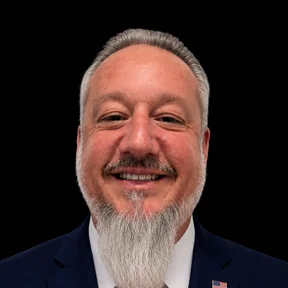
About Victor J. Rosario
Victor J. Rosario is the Residents-First candidate for Miami-Dade County Mayor 2028. A U.S. Coast Guard veteran, entrepreneur, technologist, and artist, Victor brings a track record of building real solutions — from AI tools to campaign policy — that serve Miami-Dade's 2.8 million residents.
Learn More About Victor