Introduction: Powering Our County, Empowering Our People
For decades, Miami-Dade County residents have carried the financial burden of privately controlled fuel markets. Families across our 34 municipalities have watched prices rise unpredictably, often disconnected from local wages, while corporate profits leave our county borders. Every time a resident pulls up to a pump, the dollars spent circulate outward — not inward. That means the money residents work hard for is routinely extracted from our local economy and converted into profits that do not stay here, do not build here, and do not strengthen our neighborhoods.
That economic leakage weakens local purchasing power in ways that add up fast. It limits reinvestment, it reduces the ability of working families to build savings, and it forces residents to make daily tradeoffs that should not exist in a modern county with the scale, workforce, and economic activity of Miami-Dade. When fuel prices surge, the impact is immediate and widespread: groceries cost more because delivery costs more; contractors charge more because trucks cost more; rideshare costs more because drivers must recover fuel expenses; small businesses raise prices because they have no choice. Fuel becomes a hidden tax on daily life — a tax set by corporations that Miami-Dade residents did not vote for, cannot audit, and cannot control.
That era ends in 2029.
Under my administration, Miami-Dade County will launch MDC Fuels — the first fully county-owned network of gas stations and electric vehicle (EV) charging hubs designed not merely to sell energy, but to return energy revenue directly to residents . This is a practical, resident-first solution that touches everyone: commuters who drive every day, seniors on fixed incomes, parents transporting children to school, airport employees commuting at odd hours, delivery drivers keeping our economy moving, and every household trying to keep life affordable in a high-cost region.
This is not symbolic reform. It is structural reform.
MDC Fuels will operate with an initial $400 million capital investment to establish approximately 70 energy hubs across all 34 municipalities . And unlike traditional public infrastructure projects that generate revenue but keep it confined to operational budgets, MDC Fuels will operate under a legally mandated distribution framework:
70% of net profits will go directly to Miami-Dade County residents through Project Victor J. Rosario (Project Fund).
That means residents are not just customers. They are beneficiaries. They are participants. They are economic stakeholders. And importantly, this changes the psychological relationship between residents and government: instead of feeling like every system only takes, residents will see a system that produces, returns, and strengthens the community with every gallon pumped and every kilowatt charged. Instead of hoping corporations behave, we build a county-owned engine that is designed from the ground up to serve residents first — in pricing, in transparency, in jobs, and in quarterly resident benefit checks.
We are not building gas stations.
We are building a resident-owned energy economy.
1. The Vision Behind MDC Fuels: Energy That Pays the People
Energy is not optional. It powers police vehicles, school buses, delivery trucks, airport workers, commuters, and small businesses. It is the bloodstream of our economy. In a county as large and active as Miami-Dade, fuel is not a luxury line item — it’s a daily survival cost. That is exactly why a private monopoly model is so damaging: when energy is controlled for extraction, the pain hits every household at the same time, and it hits the hardest in communities where residents already carry the heaviest financial load.
Yet for generations, control of that bloodstream has remained in private hands. Private operators set prices, decide where stations go, choose what neighborhoods get modern infrastructure, and route profits to headquarters far from Miami-Dade. Residents get the bill, and outside corporations get the upside. The public is left reacting to corporate pricing cycles instead of benefiting from the scale and purchasing power of a county with millions of residents and one of the most active transportation ecosystems in the United States.
MDC Fuels reverses that structure by creating a publicly owned energy network that operates under three core principles:
County ownership Transparent operations Resident profit participation
With a $400 million initial investment, the county will construct, equip, and deploy a scalable infrastructure platform capable of long-term revenue generation. This is not a temporary subsidy program. It is a permanent income-producing asset owned by the people of Miami-Dade County. The county does not “partner” with an outside energy conglomerate that keeps the profit. The county becomes the operator — and residents become the beneficiaries in a measurable, recurring way that is built into the system.
Through integration with the Truth Ledger transparency system, all revenues, costs, and distributions will be recorded in auditable form. Residents will be able to see what comes in, what goes out, what gets reinvested, and what gets distributed. This is essential because trust is not built through speeches — it is built through systems that cannot hide the math. Truth Ledger exists so residents never have to wonder where the money went. They can verify.
And when profits are generated, 70% flows back to residents . That return is not a one-time rebate or a political promise. It is a recurring, structured, quarterly benefit mechanism built into the model so Miami-Dade families feel the impact in real life — not just on paper.
2. The $400 Million Investment: Why Scale Matters
A $400 million initial investment ensures the county is not launching a token program that can be ignored or outcompeted. It ensures Miami-Dade builds a real, countywide energy backbone with enough capacity, reach, and convenience to become the standard choice for residents, fleets, and commuters. That investment supports:
Land acquisition and preparation Construction of 70 modern stations Ultra-fast EV charging infrastructure Solar canopy integration Fuel storage and safety systems County fleet integration technology Digital fuel management platforms Retail and small business vendor space
This scale is intentional, because scale is what breaks monopolies. When you launch small, private competitors can ignore you. When you launch countywide — with 70 strategically placed hubs — you become a market force that can stabilize prices, absorb demand, and serve residents consistently without predatory pricing tricks. Scale also creates purchasing leverage on supply chains and operations, which helps the county maintain affordability without sacrificing sustainability.
Scale matters for residents because it ensures convenience. If MDC Fuels is too far away, people can’t use it consistently. If it’s in every part of the county, it becomes the obvious choice — and that choice becomes powerful. More residents participate, more volume flows through the county-owned system, and more profit is generated for quarterly resident benefit checks.
By launching with meaningful infrastructure from day one, MDC Fuels achieves operational leverage. The more volume the system handles — public fleets, residents, commercial users — the faster the initial investment is recovered and the sooner the profit-distribution mechanism activates at full scale.
This is economic engineering. It is not charity. It is not “hope the market fixes it.” It is a controlled asset model designed to convert routine spending into resident benefit.
Instead of trickle-down, we build flow-back.
3. 70 Stations Across 34 Municipalities
Phase One will include approximately 70 stations strategically distributed throughout Miami-Dade County. The placement strategy is built around daily life — where people actually drive, where congestion forms, where commuting corridors exist, and where residents currently face limited access to affordable fueling or modern EV charging. This is not a “nice areas only” project. This is county infrastructure designed to serve the county as a whole.
Each location will include:
Standard and premium gasoline Diesel for logistics and county fleets Ultra-fast EV charging Future-ready hydrogen conversion capacity Solar-assisted canopies ADA-compliant facilities Smart monitoring systems Retail kiosk space for local vendors
These stations will serve residents in every corner of the county — not just high-income zones. Equity in access is central to the design because the biggest fuel burden often falls on working families who commute long distances, drive older vehicles, or work schedules that leave them vulnerable to late-night price spikes. MDC Fuels is designed so residents can rely on predictable access and fair pricing without needing to “hunt” for the least painful option.
No municipality is excluded. Every community participates.
And to be clear for residents: you do not have to “live in the right zip code” to benefit. The stations are countywide, the profit distribution is countywide, and the quarterly resident benefit checks are countywide.
4. The 70% Resident Distribution Model
This is the defining structural difference between MDC Fuels and any private corporation.
Once operational costs and capital repayment thresholds are satisfied:
70% of net profits are transferred to the Project Fund for quarterly resident distributions.
Not 10%. Not 25%. Not symbolic relief.
Seventy percent.
That means if MDC Fuels generates $500 million in net annual profit once stabilized, $350 million goes back to residents. And that money is not trapped in a slow bureaucracy or vague “community programs” that residents never feel. It is distributed on a schedule residents can plan around: every three months , through secure Miami-Dade verification systems designed to protect real residents and prevent fraud.
This transforms fuel consumption into a shared economic engine. Routine spending stops being one-way extraction and becomes a two-way loop: residents buy fuel, the county earns profit, and the majority of that profit returns to residents as quarterly benefit checks. The more the system is used, the more the resident benefit pool grows.
When residents fuel up, they are contributing to their own quarterly benefit cycle.
When county fleets refuel, taxpayer money circulates back into the resident pool instead of leaving the county.
And when visitors fuel up — tourists, rental fleets, commercial traffic passing through — that spending also feeds the resident benefit system. MDC Fuels doesn’t just capture resident spending. It captures outside spending and converts it into resident benefit.
That is what a resident-owned energy economy looks like.
5. Purchasing Power Transformation in Miami-Dade County
This is where the economic shift becomes measurable, felt, and unstoppable.
Quarterly Project Fund distributions create predictable income reinforcement. When residents receive structured payments every three months, purchasing behavior stabilizes. Families can plan. Commuters can budget. Small business owners can anticipate customer capacity. People stop living in a constant state of financial improvisation where one unexpected fuel spike can throw off an entire month.
Stable purchasing power produces:
Increased small business spending Reduced financial stress during fuel price volatility Greater local reinvestment Improved credit stability for families Increased voluntary participation in MDC Fuels usage
But residents should understand the deeper reality: this is not just “extra money.” This is economic pressure applied in the resident-first direction. When residents have more purchasing power, they change what survives in the market. They can choose county-owned value over corporate extraction. They can keep money circulating locally. They can support businesses that hire locally. Over time, Miami-Dade becomes less dependent on outside corporate structures that treat this county as a profit zone instead of a home.
Because here is the structural reality:
There is no other fuel system on Earth that returns 70% of its profits to the people fueling it.
Residents will naturally promote and use MDC Fuels because doing so increases the size of their own quarterly distribution pool. People will talk about it at work. Families will tell relatives. Drivers will direct each other. Businesses will switch fleets. The community will voluntarily market MDC Fuels because it directly benefits them — and because they will feel the difference.
Participation increases volume. Volume increases profits. Profits increase quarterly checks. Quarterly checks increase purchasing power.
This is a positive economic feedback loop built inside Miami-Dade County.
Over time, private fuel monopolies either lower prices to compete or lose market share. Either outcome benefits residents. The county wins either way.
6. Pricing Stability and Competitive Leverage
MDC Fuels will maintain pricing at least 10% below prevailing private-sector averages, subject to transparent cost analysis. This matters to residents immediately because it creates instant savings that show up the same day — not “sometime later.” It also matters because stable pricing reduces anxiety. Residents should not have to check their phones in frustration every time they need to drive to work.
This serves two structural functions:
It immediately lowers fuel expenses for working families. It forces competitive discipline across the private market.
Fuel savings combined with quarterly resident distributions create dual-layer economic relief. Residents benefit at the pump today, and they benefit again through quarterly checks tomorrow — without begging private corporations for mercy and without relying on temporary programs that disappear.
Instead of government relief funded by taxation, this model generates relief through asset ownership.
7. County Fleet Integration: Keeping Public Dollars Public
All Miami-Dade County fleet vehicles — police, fire, sanitation, transportation, administrative — will refuel exclusively at MDC Fuels.
For residents, this is not just “efficiency.” This is protection. This is how we stop waste. This is how we prevent fuel-card abuse. This is how we eliminate hidden overbilling that happens when public fleets depend on a patchwork of private fueling contracts.
This eliminates:
Fragmented fuel contracts Fuel-card misuse Unverified vendor pricing External data exposure
Centralized tracking reduces waste and strengthens accountability. Public dollars circulate internally — and then 70% of profit flows back to residents .
That is resident-first government: we stop bleeding money outward, and we redirect the benefits back to the community.
8. Transparency Through Truth Ledger
Every financial transaction — from fuel purchases to vendor payments to profit transfers — will be recorded via the Truth Ledger transparency system.
For residents, this is the difference between trusting a promise and verifying a fact. You will not be asked to “believe” the numbers. You will be able to check them. Truth Ledger is designed so the public can see performance without needing insiders, favors, or special access.
This ensures:
Real-time public auditability Immutable transaction history Automated distribution triggers Zero hidden pricing structures
The system is engineered so no administration can manipulate profit reporting. Trust is built into the architecture, because residents deserve a system that is transparent by design — not transparent “when convenient.”
9. Job Creation and Workforce Development
MDC Fuels is not only an energy project. It is a workforce project.
Construction phase projections:
2,000+ temporary jobs Hundreds of skilled trade positions Local contractor engagement
Operational phase:
250+ permanent jobs EV maintenance technicians Fuel logistics managers Retail vendor partnerships
Workforce training programs will partner with Miami-Dade colleges to prepare residents for long-term clean energy careers. That means local young adults can train into stable work without leaving the county. It means veterans can step into structured employment pathways. And it means families benefit not only from quarterly resident benefit checks, but from paychecks created by a county-owned enterprise.
This is how you build prosperity that lasts: ownership, jobs, and recurring resident benefit — all in one system.
10. Economic Impact Across All 34 Municipalities
Each municipality benefits through:
Shared Project Fund distributions Reduced municipal fleet fuel costs Retail vendor opportunities Infrastructure modernization Increased local economic circulation
This is not a centralized downtown initiative. It is countywide.
And the impact is not just financial — it’s structural. When each municipality has access to modern fueling and charging infrastructure, the entire county becomes more resilient during price shocks, emergencies, and supply disruptions. Residents gain stability. Municipal services operate more efficiently. And our local economy becomes less vulnerable to external corporate decisions.
This is how Miami-Dade protects itself long-term: by owning essential infrastructure, keeping the money inside the county, and returning the benefits to residents.
11. Executive Order Update: 70% Resident Allocation
Section 9 of the Executive Order shall be amended to reflect:
A minimum of 70 percent of MDC Fuels annual net profits shall be transferred to the Miami-Dade Project Fund for quarterly resident distributions.
This allocation is mandatory and may not be reduced without voter approval.
For residents, this guarantee matters because it prevents future administrations from watering down the system into a generic budget line item. The purpose is not to build an empire for government — it is to build an asset that returns value to residents on schedule, in a form residents can actually feel.
The 70% model ensures the system remains resident-centered across administrations.
12. Long-Term Economic Legacy
Once capital repayment is completed, MDC Fuels transitions fully into profit-generation mode.
At scale, the system becomes:
A recurring quarterly income engine A price stabilization mechanism A competitive counterbalance to private monopolies A resident-first infrastructure asset
The county stops being purely a tax collector. It becomes an asset operator — and residents become the beneficiaries of that operation. This is how a county grows stronger year after year without constantly raising taxes: by owning profitable, essential infrastructure and returning the value to the people who live here.
MDC Fuels in Miami-Dade County showcasing the Fueling Cars. Funding Residents. initiative — a county-owned energy model designed to return profits directly to residents through quarterly benefit checks.MDC Fuels in Miami-Dade County showcasing the Fueling Cars. Funding Residents. initiative — a county-owned energy model designed to return profits directly to residents through quarterly benefit checks.MDC Fuels in Miami-Dade County showcasing the Fueling Cars. Funding Residents. initiative — a county-owned energy model designed to return profits directly to residents through quarterly benefit checks.MDC Fuels in Miami-Dade County showcasing the Fueling Cars. Funding Residents. initiative — a county-owned energy model designed to return profits directly to residents through quarterly benefit checks.
POLICY INTENT AND IMPLEMENTATION NOTICE
This document is a draft Executive Order policy framework that will be signed, executed, and enforced immediately upon my inauguration as Your Next Mayor of Miami-Dade County in 2029 .
The intent of MDC Fuels is to establish a permanent, county-owned energy enterprise that:
protects residents from extractive fuel pricing, retains energy revenues inside Miami-Dade County, modernizes our fueling and EV charging infrastructure countywide, and returns the majority of net profits directly to residents through the Project Fund.
MDC Fuels is a resident-first infrastructure asset designed to increase purchasing power through quarterly resident benefit checks and optional credits, supported by Truth Ledger transparency and strict county control of operations and data.
This policy aligns with:
Truth Ledger Transparency System Project Fund Quarterly Resident Distribution Framework Miami-Dade Secure Identity Verification System County-Owned Infrastructure Modernization Strategy (2029–2033)
(To Take Effect After Inauguration – 2029)
EXECUTIVE ORDER NO. 2029-XX (DRAFT POLICY FRAMEWORK)
MDC FUELS
County-Owned Energy Infrastructure & 70% Resident Profit Distribution Mandate
Victor J. Rosario Candidate for Mayor of Miami-Dade County (2028) (Policy Framework to be signed and executed upon inauguration as Mayor in 2029)
WHEREAS, Miami-Dade County residents have historically paid fuel and energy costs into privately controlled markets that frequently export profits outside the county; and
WHEREAS, fuel and energy pricing directly impacts household transportation costs, food pricing, logistics, public safety operations, and overall resident purchasing power; and
WHEREAS, Miami-Dade County, under its Home Rule authority and applicable law, may establish and operate public enterprises serving legitimate public purposes, including affordability, resilience, and public benefit; and
WHEREAS, it is the policy of this administration that county-owned revenue-generating infrastructure must produce measurable, recurring, resident-facing benefits , not abstract promises; and
WHEREAS, a county-owned energy enterprise can enhance price stability, strengthen fleet accountability, reduce leakage of public funds, and generate structured quarterly resident distributions;
NOW, THEREFORE, effective immediately upon my inauguration as Mayor of Miami-Dade County in 2029, I hereby order as follows:
SECTION 1. ESTABLISHMENT OF MDC FUELS (COUNTY OWNERSHIP; NO PRIVATIZATION).
1.1 Creation. MDC Fuels is hereby established as a county-owned, county-controlled energy enterprise under the authority of the Office of the Mayor, subject to Board of County Commissioners budgetary oversight as required by law.
1.2 Scope of Operations. MDC Fuels shall own, operate, and manage:
gasoline distribution infrastructure, diesel distribution infrastructure, EV charging hubs, future alternative fuel systems (including hydrogen-readiness where feasible), and county fleet fuel integration and authorization systems.
1.3 Non-Privatization Clause. MDC Fuels facilities, infrastructure, pricing control systems, and resident benefit mechanisms shall not be privatized, leased for operational control, or surrendered to any private operator in any manner that compromises county control, resident benefit priority, or data sovereignty.
SECTION 2. CAPITALIZATION AND FUNDING AUTHORITY ($400,000,000 PHASE ONE).
2.1 Initial Investment. Phase One capitalization is established at Four Hundred Million Dollars ($400,000,000) .
2.2 Permitted Funding Sources. Funding may be derived from lawfully authorized financing instruments, including:
infrastructure modernization allocations, capital improvement funds, revenue bonds, and/or other legally authorized county financing mechanisms.
2.3 Public Disclosure Requirement. The final capitalization structure, including any debt instruments, shall be publicly disclosed with plain-language summaries for residents, including repayment terms where applicable.
SECTION 3. PROFIT WATERFALL AND FINANCIAL PRIORITY ORDER (PROTECTING SYSTEM STABILITY).
3.1 Priority of Revenue Use. MDC Fuels revenues shall be applied in the following order:
daily operating expenses; required maintenance and safety reserves; insurance, compliance, and environmental protections; debt service obligations, if applicable; principal repayment of Phase One investment; thereafter, distribution of net profits as defined herein.
3.2 Definition: Net Profits. For purposes of this Order, “net profits” shall mean revenues remaining after all categories in Section 3.1 are satisfied, including required reserves and legally required obligations.
3.3 Anti-Manipulation Standard. Operating definitions, reserve categories, and expense classifications shall be standardized and published to prevent re-labeling of costs for the purpose of reducing resident distributions.
SECTION 4. INFRASTRUCTURE DEVELOPMENT (70 ENERGY HUBS; COUNTYWIDE MUNICIPAL EQUITY).
4.1 Build Target. Beginning in calendar year 2029, the County shall construct approximately seventy (70) MDC Fuels energy hubs across all 34 municipalities , using an equity-based deployment strategy.
4.2 Minimum Facility Requirements. Each hub shall include, at minimum:
standard and premium gasoline, diesel fueling systems, ultra-fast EV charging capability, ADA-compliant public facilities, digital monitoring and safety systems, solar canopy integration where feasible, and space for qualified local vendor participation where appropriate.
4.3 Municipal Equity Standard. No municipality shall be excluded from reasonable access to MDC Fuels infrastructure, and siting decisions shall consider commuter corridors, service gaps, and resident accessibility.
SECTION 5. COUNTY FLEET INTEGRATION (STOPPING PUBLIC FUND LEAKAGE).
5.1 Mandatory Use. All Miami-Dade County fleet vehicles—including police, fire, transportation, sanitation, and administrative fleets—shall refuel and charge at MDC Fuels facilities, except in documented emergency conditions.
5.2 Digital Authorization and Tracking. MDC Fuels shall implement fuel authorization controls to:
prevent misuse, track consumption, eliminate external vendor leakage, and provide real-time reporting and audit trails.
5.3 Internal Controls. All fleet transactions shall be recorded in a manner enabling audit, anomaly detection, and enforcement.
SECTION 6. PRICE STABILITY AND RESIDENT FAIRNESS POLICY.
6.1 Price Stability Objective. MDC Fuels shall operate under a pricing policy designed to protect residents through stable, competitive rates.
6.2 Competitive Target. When operationally feasible, fuel and EV charging rates shall be maintained with a policy target of not less than ten percent (10%) below prevailing private-sector averages, while ensuring sustainability under Section 3.
6.3 Disclosure. Pricing methodology and price change events shall be publicly posted and recorded within the transparency framework.
SECTION 7. RESIDENT PROFIT DISTRIBUTION MANDATE (70% TO RESIDENTS).
7.1 Mandatory Allocation. After the profit waterfall requirements in Section 3 are satisfied and net profits are calculated, a minimum of Seventy Percent (70%) of MDC Fuels annual net profits shall be transferred to the Miami-Dade Project Fund for resident distributions.
7.2 Distribution Form. Project Fund distributions funded by MDC Fuels shall be issued to verified residents as:
quarterly resident benefit checks , and/or optional fuel credits, and/or optional transportation or parking credits, consistent with Project Fund rules.
7.3 Resident-First Safeguard. The seventy percent (70%) resident allocation shall be treated as a structural resident protection and shall not be reduced absent formal legislative action and voter authorization where required.
7.4 Eligibility Integrity. All resident distributions shall be governed by Miami-Dade Secure Identity Verification standards to prevent fraud and protect legitimate residents.
SECTION 8. PURCHASING POWER IMPACT DECLARATION (RESIDENT-FACING OUTCOME).
8.1 MDC Fuels is intended to increase resident purchasing power through a recurring quarterly distribution mechanism funded by county-owned energy operations.
8.2 Residents who voluntarily purchase fuel or charge vehicles at MDC Fuels directly strengthen the county-owned revenue stream that funds their quarterly resident benefit checks, creating a resident-first economic circulation loop that keeps money inside Miami-Dade County.
SECTION 9. TRANSPARENCY AND TRUTH LEDGER INTEGRATION (NO SECRETS; AUDITABILITY BY DESIGN).
9.1 Truth Ledger Recording Requirement. MDC Fuels shall record, at minimum, the following categories within the Truth Ledger transparency framework:
procurement and contract awards, fuel and charging sales volume, operating costs and reserve allocations, debt service and principal repayment activity, net profit calculations, and transfers to the Project Fund for resident distributions.
9.2 Annual Independent Audit. An annual independent audit shall be conducted by a firm licensed and registered within the State of Florida, with results published in a resident-readable format.
9.3 Record Preservation. All financial and operational records shall be preserved pursuant to applicable public records requirements.
SECTION 10. WORKFORCE PRIORITY (LOCAL JOBS).
10.1 MDC Fuels shall prioritize hiring:
Miami-Dade County residents
10.2 Workforce training partnerships may be established with local educational institutions to develop skills pipelines for clean energy maintenance, EV systems, and fuel logistics.
SECTION 11. DATA SOVEREIGNTY AND VENDOR RESTRICTIONS (NO EXTERNAL CONTROL).
11.1 No external corporation shall:
operate MDC Fuels infrastructure, control pricing systems, access proprietary operational systems, or extract transaction data for resale or external profiling.
11.2 All operational data generated by MDC Fuels shall remain county property and shall be administered under county control.
SECTION 12. ADMINISTRATION, REPORTING, AND GOVERNANCE.
12.1 Administrator. The Mayor shall designate an MDC Fuels Administrator responsible for implementation, compliance, and operational integrity.
12.2 Quarterly Reporting. MDC Fuels shall publish quarterly performance summaries including: station rollout progress, revenue performance, reserve status, net profit calculation status, and Project Fund transfer activity.
12.3 Public Access. Residents shall be provided a public-facing dashboard summarizing performance without exposing sensitive security details.
SECTION 13. ENFORCEMENT AND PENALTIES.
13.1 Any contractor, vendor, or employee found in violation of procurement transparency, operational integrity, Truth Ledger reporting requirements, pricing policy, or data restrictions shall be subject to:
contract termination, financial penalties up to $500,000 per violation where legally applicable, and referral for additional legal review where appropriate.
13.2 Nothing in this Order limits the County’s ability to pursue civil remedies, administrative sanctions, or other lawful enforcement mechanisms.
SECTION 14. EFFECTIVE DATE.
This Executive Order shall take effect immediately upon my inauguration as Mayor of Miami-Dade County in 2029 and shall remain in effect unless amended or rescinded in accordance with applicable law.
SIGNED (DRAFT POLICY FRAMEWORK)
Victor J. Rosario Candidate for Mayor of Miami-Dade County (2028) (Policy to be signed and executed upon inauguration in 2029)
Date: ______________________
RESIDENT FAQ
FAQ 1: What is MDC Fuels in one sentence?
MDC Fuels is a county-owned network of gas stations and EV charging hubs that keeps energy profits inside Miami-Dade County and returns 70% of net profits to residents through quarterly resident benefit checks via the Project Fund.
FAQ 2: Why is the County building gas stations instead of leaving it to private companies?
Because private fuel markets are built to extract profit outward. MDC Fuels is built to return profit inward , stabilize prices, and give residents a direct benefit every three months.
FAQ 3: When does MDC Fuels start?
Implementation begins in 2029 , immediately upon the start of the resident-first administration.
FAQ 4: How many stations are planned?
Phase One targets approximately 70 MDC Fuels energy hubs distributed across all 34 municipalities .
FAQ 5: What will each MDC Fuels station include?
Modern energy hubs will include gasoline, diesel, ultra-fast EV charging , ADA-compliant amenities, digital monitoring, and “future-ready” upgrades such as solar integration and hydrogen readiness where feasible.
FAQ 6: Why is the initial investment $400 million?
Because scale matters. A countywide rollout requires land, construction, fuel storage safety systems, EV charging infrastructure, and digital controls. The $400M investment allows MDC Fuels to launch as a true market force , not a small pilot that private monopolies can ignore.
FAQ 7: Does this mean taxes go up?
The goal is the opposite: MDC Fuels is designed as a revenue-producing asset , funded through lawful capital structures and paid back through system revenue, not through squeezing residents.
FAQ 8: What does “70% of net profits to residents” actually mean?
It means that once MDC Fuels covers its required operating costs, safety reserves, and any debt/principal repayment obligations, 70% of what remains (net profit) is transferred into the Project Fund and then distributed to residents every three months.
FAQ 9: Will residents get paid every three months even if they don’t use MDC Fuels?
The Project Fund distribution system is designed for verified residents countywide. MDC Fuels is a major profit engine within that system. Residents benefit because the county owns the asset; however, choosing MDC Fuels strengthens the system and can increase the distribution pool.
FAQ 10: Why should residents choose MDC Fuels instead of private stations?
Because MDC Fuels is the only energy model where your purchase helps fund your own quarterly resident benefit checks. Private stations extract; MDC Fuels returns.
FAQ 11: How will prices at MDC Fuels compare to other stations?
MDC Fuels will operate with a policy target of staying at least 10% below prevailing private-sector averages when operationally feasible, while remaining sustainable and transparent.
FAQ 12: What stops MDC Fuels from becoming another government program that wastes money?
Three things: (1) county ownership with internal controls, (2) Truth Ledger transparency so the math can’t be hidden, and (3) mandatory resident distribution rules that force performance.
FAQ 13: What is the Truth Ledger and why does it matter to me?
Truth Ledger is a transparency system that records procurement, revenue, expenses, and transfers so residents can verify where the money goes. It exists so residents don’t need blind trust.
FAQ 14: What exactly will be recorded publicly?
At minimum: contract awards, fuel and EV volume, cost categories, reserve allocations, debt/principal repayment activity, net profit calculations, and transfers to the Project Fund.
FAQ 15: Will my personal purchases be publicly visible?
No. Transparency applies to financial and operational totals and contract activity—not personal identity-level transaction details. Resident data is protected under secure verification rules.
FAQ 16: How do I qualify as a “verified resident”?
Eligibility will be governed by the county’s verification rules under the Miami-Dade Secure Identity Verification framework to protect residents and prevent fraud.
FAQ 17: Will tourists or visitors contribute to resident benefits?
Yes. When visitors fuel or charge at MDC Fuels, that revenue becomes part of the system that generates net profit—70% of which is returned to residents.
FAQ 18: How does this help people who drive for work?
It lowers fuel costs, stabilizes pricing, and creates a system where routine fuel spending helps fund quarterly resident benefit checks.
FAQ 19: How does this help small businesses?
Small businesses benefit from lower and more stable fuel costs, increased consumer purchasing power from quarterly checks, and local vendor opportunities at stations.
FAQ 20: Will MDC Fuels create jobs for Miami-Dade residents?
Yes. Construction and operations will prioritize Miami-Dade residents and veterans, creating both temporary build jobs and permanent operational roles.
FAQ 21: Will county vehicles use MDC Fuels?
Yes. County fleet vehicles will refuel and charge at MDC Fuels to prevent waste, stop leakage to outside vendors, and keep public dollars circulating locally.
FAQ 22: Why does fleet integration matter to residents?
Because it reduces hidden fuel waste, improves accountability, and increases the volume going through the county-owned system, strengthening the resident benefit pool.
FAQ 23: Can private corporations operate inside MDC Fuels?
No. External corporate control, external pricing control, and external data extraction are prohibited. The system remains county-controlled.
FAQ 24: Can MDC Fuels be privatized later?
No. The EO includes a non-privatization clause to prevent backdoor surrender of control.
FAQ 25: What if a contractor tries to cheat the system?
Violations trigger termination, penalties up to $500,000 per violation where legally applicable, and referral for additional legal review.
FAQ 26: How will station locations be chosen?
By resident access needs: commuter corridors, service gaps, volume demand, and municipal equity across all 34 municipalities.
FAQ 27: Will MDC Fuels support EV drivers fully?
Yes. EV ultra-fast charging is a core part of the plan, integrated into hubs so the county modernizes transportation energy alongside gasoline and diesel needs.
FAQ 28: Is this a “government monopoly”?
No. It is a resident-benefit public option. It competes by returning profits to residents and forcing private markets to behave.
FAQ 29: How will residents know the quarterly checks are real and sustainable?
Truth Ledger reporting + published profit calculations + annual independent audits + quarterly reporting dashboards ensure residents can verify the system’s performance.
FAQ 30: What is the biggest takeaway for residents?
MDC Fuels turns a daily cost—fuel—into a county-owned engine that lowers prices and returns 70% of net profits back to residents every three months.
BOND FINANCING + REPAYMENT EXAMPLES
B1) What does “bond financing” mean in simple terms?
Bond financing is when the county raises capital upfront by issuing a legally authorized debt instrument (a bond) that is paid back over time from revenue—similar to how a homeowner finances a house and pays it back over years.
B2) Why would the County use bonds for MDC Fuels?
Because MDC Fuels is infrastructure that generates revenue. Bonds let Miami-Dade build the system immediately at full scale, then use system earnings to pay back the investment over time.
B3) Would the bonds be paid back using taxes?
The policy intent is for repayment to come primarily from MDC Fuels revenue , using the profit waterfall structure in the EO: expenses → reserves → debt service/principal → then net profit distribution.
B4) What is the “profit waterfall” and why does it matter?
The profit waterfall means the system must first remain sustainable and safe. It pays operating costs, maintains reserves, meets legal obligations, repays capital, and then calculates net profits. This prevents irresponsible payouts that would weaken the system.
B5) Example: Simple repayment logic (no complex math)
If MDC Fuels generates strong revenue, the county can schedule repayment of the Phase One capital over time, and after repayment the system enters full profit mode—at which point 70% of net profits goes to residents every three months.
B6) Example Scenario 1 (Conservative, steady growth)
MDC Fuels launches in phases across 2029–2031 Revenue grows as stations open System covers operating costs and builds reserves Debt service is paid consistently Profit distributions begin once net profits become stable and the required thresholds are met
This scenario prioritizes stability and long-term success.
B7) Example Scenario 2 (High adoption, faster payoff)
Residents actively choose MDC Fuels because it lowers prices and strengthens quarterly benefits County fleets run through MDC Fuels Visitors and commercial users add volume Higher volume increases net profits Principal repayment happens faster Resident distributions accelerate because net profits expand sooner
This scenario is driven by resident participation and volume.
B8) What protects residents from “creative accounting” to delay distributions?
The EO requires standardized definitions, public reporting, Truth Ledger recording of cost categories, and annual independent audits. The system is designed to prevent re-labeling costs to suppress net profits.
B9) What happens if fuel markets change or EV adoption accelerates?
MDC Fuels is designed as an energy hub system, not a gasoline-only plan. EV charging is part of the core business model, and hydrogen readiness protects the county’s ability to adapt without rebuilding from scratch.
B10) What is the resident benefit bottom line?
Bond financing is simply a tool to build the asset now. The resident benefit comes from the structural rule that after sustainability requirements are met, 70% of net profits returns to residents every three months —and residents can verify it through Truth Ledger reporting
Conclusion: Fueling Cars. Funding Residents.
In 2029, Miami-Dade County begins a structural transformation that residents will feel in real life — at the pump, in their household budgets, and in the strength of our local economy. We build 70 county-owned MDC Fuels hubs across all 34 municipalities . We launch with a $400 million infrastructure investment. We operate with full transparency through Truth Ledger . And we lock in the resident-first rule that changes everything: 70% of net profits returns to Miami-Dade residents through Project Victor J. Rosario (Project Fund) in the form of quarterly resident benefit checks and optional credits.
This is not a slogan. It’s a system. It means every gallon and every kilowatt sold at MDC Fuels is no longer a one-way transfer of wealth out of Miami-Dade County. It becomes a circulation loop that strengthens the people who live here. Residents save at the pump through fair pricing, and then they benefit again every three months when profits come back to the community instead of disappearing into corporate balance sheets. County fleet fueling stops leaking taxpayer dollars to outside vendors and becomes part of the same resident benefit engine. Even visitor spending — tourists, rentals, commercial traffic — gets captured and converted into resident returns.
Most importantly, MDC Fuels changes power. It turns a daily expense that used to drain households into a county-owned asset that builds purchasing power and stabilizes life for working families. It proves that Miami-Dade County can own essential infrastructure, run it clean, audit it openly, and deliver direct resident benefits on schedule — without middlemen, without secrecy, and without pretending “the market” will someday do the right thing.
When residents choose MDC Fuels, they are not just buying fuel. They are voting with their wallets for a resident-first economy where value stays local, benefits are shared, and government infrastructure finally works like it should: for the people who pay into it and live under it .
This is what energy independence looks like. This is what resident ownership feels like. This is how Miami-Dade County becomes the first major county in America to turn fuel revenue into direct resident empowerment — every three months, on the record, and for the long haul.
Victor J. Rosario Candidate for Mayor of Miami-Dade County (2028) Future Mayor of Miami-Dade County Founder & Architect, Project Victor J. Rosario (Project Fund)
#UnleashingMiamiDadeCounty | #VictorImpactWrench | #AllSystemsOnline | #TeamVictor
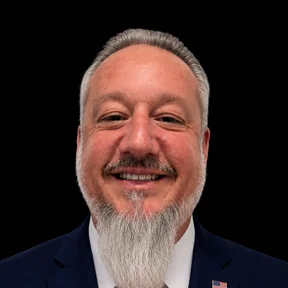
About Victor J. Rosario
Victor J. Rosario is the Residents-First candidate for Miami-Dade County Mayor 2028. A U.S. Coast Guard veteran, entrepreneur, technologist, and artist, Victor brings a track record of building real solutions — from AI tools to campaign policy — that serve Miami-Dade's 2.8 million residents.
Learn More About Victor