En la Parte 2 de mi transmisión sobre IA responsable fui práctico: las formas seguras y de alto valor en que la IA puede mejorar los servicios del condado, qué significa realmente "lo construimos nosotros mismos", y sus preguntas sobre empleos, sesgo, filtraciones de datos y corrupción. La IA va a llegar al gobierno de nuestro condado, nos guste o no. La única pregunta es si la controlarán los de aquí o los de afuera.
La regla antes de los casos de uso
En la Parte 1 cubrí el plan: gobernanza y rendición de cuentas, ningún tercero en el plano de control, límites de los datos, propiedad de la plataforma por parte del condado, pruebas y monitoreo, transparencia y apelaciones. Antes de cualquier caso de uso, esta es la regla que rige a todos.
La IA debe asistir al personal, reducir los atrasos, mejorar el tiempo de respuesta y ayudar a los residentes a orientarse entre los servicios. La IA es una herramienta. El gobierno es el responsable.
La IA no debe reemplazar en silencio la rendición de cuentas, tomar decisiones ocultas ni convertirse en excusa para negar servicios.
Casos de uso prácticos y de alto valor
- Clasificación y enrutamiento del 311. Un residente presenta un problema; la IA ayuda a clasificarlo, a enviarlo más rápido al departamento correcto y a resumirlo para que el equipo adecuado responda con rapidez. Reduce el rebote en que a los residentes les dicen que llamen a otra persona.
- Apoyo multilingüe. La IA ayuda a traducir solicitudes y respuestas, con revisión humana y límites claros, para que los residentes no se vean bloqueados por barreras de idioma. El inglés corre en paralelo, y tendremos tantos idiomas como sea posible. Si usted se siente más cómodo tomando decisiones en su idioma materno, mi administración va a estar aquí para usted.
- Verificación de que los documentos de los permisos estén completos. No aprobaciones, no denegaciones, no toma de decisiones. Solo esto: ¿están presentes los documentos requeridos? Eso solo reduce el tiempo perdido, los rechazos y las visitas repetidas.
- Detección de anomalías en las compras. La IA señala patrones como ganadores repetidos, alzas de precios, agrupaciones o momentos sospechosos y cambios inusuales, y las personas investigan. Cuando las mismas personas ganan un contrato de $200 millones, luego uno de $267 millones, luego uno de $100 millones, quiero saber quiénes son y por qué. Muchos viven en Chicago o en Atlanta. No hay nada de malo en eso, pero como alcalde quiero que mi dinero se quede en mi condado. Esa es una de las razones por las que estoy creando MDC Workforce.
- Mantenimiento predictivo de obras públicas. Usar datos históricos para predecir cuándo va a fallar un sistema y repararlo antes de que se rompa. Sin emergencias no hay facturas de emergencia de alto costo.
- Informes de operaciones presupuestarias. La IA resume las variaciones y los pronósticos con base en los datos del condado, de nuevo con revisión humana y registros de auditoría.
- Copiloto interno para empleados. Los empleados reciben respuestas basadas en documentos internos aprobados, no en texto al azar de internet. Menos errores, más consistencia.
Cada uno de estos casos tiene tres beneficiarios: usted, el residente, porque mi administración es de residentes primero; los empleados del condado; y todo el condado y sus 34 municipios. Empezamos a cambiar la forma de trabajar desde el primer año. Tomará al menos dos años y medio tener el condado optimizado, y a medida que optimizo, bajo el costo operativo, de modo que ese diferencial regrese a usted en programas.
Lo que realmente significa "lo construimos nosotros mismos"
Algunas personas oyen "lo construimos nosotros mismos" y piensan en caos, o en reinventarlo todo. Yo no voy a reinventarlo. Significa que el gobierno es dueño de la base:
- El condado es dueño de la plataforma.
- El condado es dueño de la identidad y el acceso.
- El condado es dueño del entorno.
- El condado es dueño de los registros.
- El condado es dueño de las reglas de los datos.
- El condado es dueño del proceso de aprobación.
- El condado es dueño del interruptor de apagado.
No una corporación de terceros, ni proveedores que deciden en una partida de golf lo que pasa con el condado. Capacitaremos a los profesionales que el condado ya tiene y los pondremos a la vanguardia. Cuando el condado controla esas cosas, las herramientas, los modelos y los proveedores se vuelven reemplazables. Eso evita la dependencia de un proveedor, reduce la responsabilidad legal, la dependencia y el riesgo, e impide que terceros conviertan las operaciones del sector público en un modelo de negocio donde el gobierno pierde el control.
Si el condado no puede explicarlo, probarlo ni apagarlo, el condado no lo controla.
Sus preguntas, respondidas
¿Puede el gobierno realmente construir esto en casa? Sí. El gobierno ya maneja sistemas complejos. La diferencia es la arquitectura, la gobernanza y las prioridades correctas, desplegadas por fases.
¿La IA va a reemplazar empleos? No, pero va a cambiar los flujos de trabajo. La IA debe reducir los atrasos y las tareas repetitivas para que el personal se concentre en el trabajo complejo. Si alguien le dice que la IA en el gobierno se trata de recortar personal, no entiende el punto.
¿Cómo se previene el sesgo? Con gobernanza, pruebas, monitoreo, transparencia y apelación.
El sesgo no desaparece porque alguien diga: "Confíen en mí."
El sesgo disminuye cuando los sistemas se miden y se corrigen y los residentes tienen derecho a impugnar los resultados, en cualquier momento, bajo mi administración.
¿Cómo se previenen las filtraciones de datos? Con una clasificación clara de los datos, reglas estrictas de acceso, cifrado, reglas de retención de registros y la regla de que los datos restringidos no salen al exterior. La mayor protección es que no haya terceros en el plano de control. Un proveedor puede tener un nombre de usuario y una contraseña, pero no privilegios administrativos completos.
¿Debería la IA tomar alguna vez decisiones finales sobre los residentes? Si la IA afecta el resultado de un residente, debe haber transparencia y una vía de apelación humana. La IA puede apoyar las decisiones, pero el gobierno sigue siendo responsable, y los residentes deben poder obtener una revisión humana. Eso no es negociable. Si su solicitud fue rechazada sin explicación, usted necesita una vía donde un empleado del condado revise la política y le diga con claridad por qué.
¿Y la ciberseguridad? La IA aumenta la superficie de ataque si se despliega con descuido. Trate la IA como infraestructura crítica, no conecte herramientas al azar a los sistemas públicos y haga cumplir las reglas. Se hará responsables a los jefes de departamento.
¿Puede la IA ayudar a combatir la corrupción? La IA puede señalar patrones sospechosos, y la vamos a entrenar para eso, pero son las personas quienes investigan y hacen cumplir la ley. Con el Truth Ledger en blockchain que estoy creando, todo estará en blanco y negro para que usted lo vea.
¿Cuál es la mayor señal de alarma en la propuesta de un proveedor? El lenguaje vago sobre acceso, uso de datos, telemetría, monitoreo y entrenamiento de modelos. Un proveedor que necesita acceso permanente de administrador, o del que no se puede salir limpiamente, es un problema.
¿Cómo se frena la IA en las sombras? Ofreciendo una herramienta segura aprobada por el condado, capacitando al personal y haciendo cumplir la política.
Lo que esto significa para los residentes de Miami-Dade
Mis estándares fundamentales: construido por el condado, controlado por el condado, residentes primero. Ningún tercero en el plano de control. Los datos restringidos se quedan adentro. Transparencia y apelaciones para todo lo que afecte a los residentes.
Los primeros 90 días son de gobernanza e inventario: establecer una junta de gobernanza de IA y sus reglas, mapear todos los usos existentes de IA y las herramientas en las sombras, definir los límites de los datos y las políticas de uso de modelos, construir la base de la plataforma con identidad, registros y aprobaciones, y lanzar de dos a tres pilotos seguros: el enrutamiento del 311, un copiloto interno de políticas y verificaciones de que los documentos de los permisos estén completos.
El despliegue en todo el condado ocurre por fases: empezar con casos de uso de bajo riesgo y alto valor, construir la plataforma una sola vez y reutilizarla, medir los resultados, ampliar gradualmente y nunca desplegar primero las decisiones de alto impacto.
Así se mide si la IA del condado es responsable. ¿Hay transparencia? ¿Hay un proceso de apelación? ¿Hay una opción de revisión humana? ¿Los sistemas son auditables? ¿El condado explica con claridad qué datos se usan y qué se le permite hacer al sistema? Si el gobierno no puede responder eso, no está listo.
La modernización responsable no es un eslogan. Es un sistema. Dígame qué quiere ver a continuación: IA en la transparencia de las compras, reforma de los permisos, modernización del 311, rendición de cuentas del presupuesto o mantenimiento de la infraestructura.
Transcripción completa de la transmisión
Transcrito automáticamente de la transmisión en vivo (4,139 palabras). Las marcas de tiempo abren el video en ese momento. Son posibles errores menores de transcripción.
0:04All right. All right. All right. All right. Welcome, welcome, welcome. This is part two. We are on part two right now. Um I have to um do some want to say thank you to the people of Tik Tok. Uh go bands, uh JJ, um Tom. Yes. Danny Rump baby Fernanda Maria Max to tongue. So, hey everyone, welcome to Tik Tok live. Uh we're five years that you are live.
One second. So, um, Baby Abt join it. Fernanda, Max, Tutan, everybody from Tik Tok. Welcome, welcome, welcome, welcome. Thank you. Thank you. Thank you. Thank you. Um, let's see. One second. I'm the ruping. A lot of people getting in doing something on Snap. You got a lot of people they are part. They want to be part and they want to know. So let me just I am doing this all by myself. I don't have a team working with me. I am in five different social medias at the same time. And I have a lot of people um wanting to be wanting to know wanting to know everything. Um and um that's what I am doing getting everybody up to date. Um all right.
So, let's see. Let's see. We got All right. We got everything there. All right.
3:02So, this is the part two. Um, I was I was in the I was doing something and and basically the system shut down for a bit and it shut down because of the battery system. Um, I've been doing a lot of streams all night and that's what happens when you do a lot of streams. So, my apologies to anyone out there. Uh, let's see. Okay. Uh we covered the blueprint and govern governance and accountability. No third parties in the control plane, data boundaries, county platform ownership, testing and monitoring, transparency and appeals. If you're still watching, uh, do me a favor, hit the like button, share the stream, and drop your city in the chat again. Okay. Uh, before it I I list the use cases. I'm going to set the rule. A should assist the staff, reduce backlog, improve response time, and help residents navigate services. AI is a tool. Government is responsible. And now here are practical safe uh high value uses cases. AI should not silently replace accountability, make hidden decisions or become an excuse to deny services. Uh AI should assist staff reduce backloggings, improve responses time and help residents navigate services. Okay, let me repeat that again. Residents help residents to navigate services. Help residents. Help residents or help residents. That's basically what we need to do. Okay. Now here practicals uh save high value uses cases uh 399 uh 311 uh triage triage and routing residents submit an issue. AI helps to classify and route it faster so they can go to the department heads and goes to wherever it needs to go. It can summarize the issue so the right team responds quickly. It can reduce the bounds where residents get told to call someone else. Okay. So basically we're not going to be um
6:03designing a system that is just going to make uh the system inefficient. Okay. Uh we're going to build a system that is going to be efficiently good for everyone. Um case to multilingual support AI will help to translate requests and responses uh with human review and clear limits so residents aren't blocked by language barriers. You know, it doesn't matter where you're from, okay? Um, if you were born just like me in planet Earth there, that's it. You were from planet Earth, but you just residing here and you're a resident of Miami Day County. We will have a system that will translate to your language, your native language. Okay? because either you're a Spanish speaker, either you are have uh come from a different part around the world and and my job as the major and making sure that all the systems work have uh multilingual support for you because the county is here for you. Uh without you there's no county, without county there's no you neither. Okay? So, we need to work uh correctly and do things for you the resident and um and the multilingual support is one that we need to get get it right uh and have as many languages as possible. Okay? So, it doesn't matter where you're from, but you can get your native language and have all the services and everything will be more easy for you for your understanding. We will have English, okay? that we can run it parallel to what you're doing. But um if you feel comfortable um making decisions for your business, making decisions for your life in your na language, my administration is going to be here for you. Okay. Uh case number three, permitting, documenting, competence and checks. uh not approvals, not denials, not decision makers, just a required documents present. That alone reduce waste time, reduce rejections, reduce repeat visits and help residents to do right the first time. And and that's basically what I want. I want to to make systems that there will be three three beneficiaries.
Number one, you the resident because my administration is residents first. Number two, the county employees. And number three, the whole county and the 34 municipalities. Okay? Because when we do things right, everybody in the environment, everybody in the platform, all the residents from coast to coast North, south, east, and west county
9:03boundaries will benefit equally. Not a little bit more in one side, not a little bit more in the other side. It's just everyone equally will benefit from it. Okay. uh from from from recruitment anomaly detections. Uh AI will flag patterns like repeated winners, price spikes, suspicions, clustering or timing and unusual changes that human investigates. This is where transparency becomes real. This is where we're going to cut the waste in our county. how the system is going to flag uh repeated winners uh price spikes, suspicious clustering. Why this? Hold a second. Wait a minute. This contract is $200 million.
Okay, they won that contract. This is 267. Why this also won 267 million contract? Okay, but wait, this other contract is $100 million and the same people want it. Wait a minute. They have a h half a billion dollars in here already in funds. Who are these people? You know what I mean? Why are they winning so much contracts? Okay. and and and and and those are the reasons why I am creating MDC workforce so we can tackle all these big contracts that all of a sudden they're going to the same people and these same people are living in Chicago, they're living in Atlanta, they're living in other parts of our country. Nothing wrong with that.
But you know what? As the mayor of my county, I want my money to stay in my county. Okay? I don't want to just send it to Illinois and send it to to Atlanta uh to other places. Okay. So, uh case number five, public work predictive maintenance. Um AI help predict when system fails. So, we fix before it breaks. Um historically data, we can utilize historically data and be more efficient. Okay, this broke because it was 20 years old and nobody did.
Okay, this part is 15 years. Let's put it on the list so we can like proactively change it before it breaks because if we proactively change it, we don't have to pay for emergencies. There will not be emergencies. We will be smart. The government, the county will be smart. And if we can avoid these high ticket bills of emergencies, okay, and we reduce those emergencies, what we're we're doing is that we're saving
12:00the county and the operational cost. And that's one of the things that I am doing and I am coming to do is reduce the operational cost of the county. So, if we reduce the operational cost of the county, it's going to be less expensive to run the county. And it means that we will have more money to to you, more money that we can utilize on programs and more things that we can do for all the residents of our county. Uh, just give me one second.
I have to connect. It's right in here. Fine. That too. All right. Um so we have also um budget operations report u AI will help summarize variances and forecast bases on county data again with human review and audit logs. So we are going to have logs so the human review the best part of the county the employees will be able to to do the work more efficiently less stressful and faster with less errors to give you a better service than what you currently have today. Okay. Uh and that's something that we're going to be able to do in the first year. start changing how things work so we can be more efficient. I will optimize the county in the first two years. Um and and and it's going to take me at least two two years and a half to have the county optimize uh to give you better services, better response times. And at the same time that I optimizing the county, I'll be lowering the the the county the operational um the operations of the county. So we can do more because we're more efficient and less cost because we're doing it ourselves. And then the direct beneficiary is you because that that spread that's that is there that will be uh on the green will be able to be used uh for you in the future. Um internal employee copilot for policies and procedures. Uh employees ask questions and get answers based on approved internal documents, not random internet texts that reduce mistakes and improve consistencies. Those are safe starting points that improve services without creating new resident risks. And the best part is done properly. These use cases can roll out countywide using
15:01the same platform and the same rows. Okay. And my signature point here is the we build it ourselves. Okay. Now let me speak directly about the build it ourself approach because some people hear that and think it mean chaos or it means reinventing everything. I'm not going to reinvent it. Well, I just going to put some strict rules and make things work better for all of us.
Um we built it ourselves. I mean government owns the foundation. Okay. The county is the owner of the platform. The county owns the identity and access. The county owns the environment. The county owns the logs. The county owns the data rules. The county owns the approval process. The county owns the shutdown switch. The county under my administration will be in control. We are going to be in control. Not a third party corporation or or some vendors that between all of them in the golf game decide what's happens with the county. Not under my administration. No, we will do it ourselves and we will put uh professionals and we will train professionals that we already have because the county the county has professionals working for for for in the county right now. Uh some of this professional just need some um some tweaking so we can get them into between 2035 and 2040 uh and get them up to date ahead of the curve so they can provide you a better service. And you know what? That's going to be a very good investment for the county to get all these employees uh up and up to date so they can provide better services and that they can manage the identity accesses correctly, the environments, the logs, the data rules, the approval processes and the shutdown switches, um the kill switch, uh then the tools become replaceable, models become replaceable, vendors become replaceable and when you can replace components, you can avoid locked in. Okay. And and one of the things that the county don't have is the the locked in. Okay. When a corporation has a locked in again the conte like this, you know, and and we don't want that on artificial intelligence. We don't want an external corporation have the county say we need x amount of millions of dollars. If not, the county is not going to be able to do this, this, this, and that. Okay. Okay. Okay, we sign we sign the paper with let's do it and when you cannot replace components you can avoid locks in that reduce liability it reduce dependence it reduce risk and it puts resident first because it prevents outside parties from turning public sector operation into a business model where government loses control. Okay.
And when
18:01politicians, elected politicians um uh prevents and sign into the government to lose control, the people, the residents are the ones that suffer. Okay. So again, I repeated in the core phrase, if the county can't explain it, test it, or shut it off. Let's see. Okay. If the county can explain it, test it, or shut it off, then county doesn't not control it. All right. Now, we go into Q&A. Here's how we do it. You can ask your question in the chat. Keep it short. One question per message. and I'm going to play answering in plain English. If you ask a technical question, I will answer technically. If you ask a resident question, I will ask I will answer in a resident friendly way. Um now I'm going to start with the questions and I always get okay can government really build this in house the answer is yes. Uh because government already run complex systems.
The difference is we need the right architecture, the right governance and the right are priority. This is not about building a giant science project. It's about building a secure platform and deploying practical solutions and bases phase one, phase two, phase three, phase four, phase five, etc., etc. This is realistic. This is responsible and this is how serious organizations operate. Okay? And that's my experience uh working in serious organizations operated and that's how I learned it many many many years ago. Uh is AI going to replace jobs? The answer is is no. But it will change workflows.
AI should reduce backlo and repetitive task so staff can focus on complex works and resident services. If anyone tells you AI in government is about cutting people, they are missing the point. The point is better service, better accountability, and less bureaucracy. Uh how do you prevent bias? Bias. Uh you prevent bias through governance, testing, monitoring, transparency, and appeal. Bias doesn't disappear because someone says, "Trust me." Bias decreases when systems are measured, corrected, and resident, and have the right to challenge outcomes. Let me repeat that part there. residents have the right to challenge outcomes any time under my administration. Uh how do you prevent data leaks? You prevent data leaks with clear data classification, strict access rules, encryption, login retention rules, and the rule that restricted data does not go external. And the biggest protection is no third parties. Bye-bye.
21:06No third parties in the control plane. Simple. If a corporation don't have access to the county backend systems, okay, and they they they can probably have a username and password, but they don't have full administrative and full admin privileges, then they're limited of what they can do and the way they can see. And then who's in control? The county is in control, not them. If we give them 100% administrative uh administrator uh privileges, then they ransack the county. They destroy the county and do whatever they want. Okay.
The first uh what is the first 90-day plan? The first 90 days, just give me one second while plane goes by. The first 90 days is governance and inventory. Establish an AI governance board and rules. Map all existing AI uses and shadow tools. Define data boundaries and model usage policies. Build the platform foundation. Identify logging approvals. Lounge two to three safe pilots. 311 routing for internal policy copilot and permitting document competitiveness checks that create progress without chaos.
Should AI ever make final decisions about residents? Now the the the answer is if AI affects a resident outcome, there must be transparency and a human appeal path. Okay. AI can support decisions but government must remain accountable. resident must be able to challenge outcomes and get human review that is not negotiable under by administration. Uh residents outcome will have they will have the the the transparency of human appeal path always. Uh it's the right thing to do. You know um AI is here to help. AI is here to make things better.
And when things don't when the residents don't have the real outcome that they're looking for, they get frustrated. they get upset. Okay? And we cannot blame the the AI, okay? We have to have a path for all the residents, be able to um have the the the the way to human appeal path, an email that they can send. Hey, this gots declined. Like I like it got declined, but it doesn't explain me why. Like what? Why? How? And why? And then the county employee sees that goes back and say, "Hey, and look from county
24:03uh policies, laws, or whatever the reason why it was no and it can send it to you clearly or it can talk with you and say, well, it got declined. It didn't do not tell you everything, but here's here's why it did not got declined. Your application say this and say that. And when you say this and you say that, it gets declined. That cannot go in the in the area that you want to do this business. That permit is not going to get approved because of the classification or or etc etc. All there's a lot of variables that that that will be and a lot of rules that we need to put one by one. is that's a lot of work. Listen, this is working uh for for 16 14 hours, 12 hours per day and fixing and optimizing and making sure that you had it right. You know that that the residents um have better services, the resident have better times, the services uh works better. Uh what about cyber security threats and AI? AI increases the attack surfaces and deploy carelessly. That's why identity access logging and monitoring comforts. You treat AI like a critical infrastructure. You do not plug random tools into public system. You do not build a platform uh you just build a platform and enforce the rules. Okay?
So, we're going to be the enforcers the enforcers of our own platforms. We're going to create the rules. We are going to enforce the rules and we're going to hold accountables the IT departments or the employees or different departments and the department heads. Okay? Uh heads will roll if something goes wrong. Simple as that. If we place and we uh create a platform and we come up with the rules and we make sure that the boundaries are created and you cross that boundary, you're in the big problem. you you you you put yourself in that big problem because everything is going to be in black and white. There's not going to be well you know what I I have 20 years working in here. I don't care if you have 20 years of working in here. Okay. The rules are the rules and the boundaries and the boundaries and if you cross the boundaries there are going to be ramifications for you the ones that decides to run to rules. So so that right in there is going to make sure that our uh cyber security and threats are we're going to be able to control them. Okay. Um um what about procurement? Can AI help fight corruption? AI can flag suspicious patterns? Yes. Yes, we'll train it for corruption. Okay. Uh but humans will investigate and enforce. Okay. Whenever we find fraud,
27:00wherever we see who did it, that person also is going to get in trouble because AI will will say, well, this happened here and this day happened and it's going to give a report to my office and and that's the end of it. you know uh the days of corruptions in our county under my administrations are going to be over because I am going to build systems to get the corruption out. Okay? If we claim the corruption in our county, guess what happens? The county will work better for you because we will have more funds to create more programs and everything will be working better than what is currently working because corruption is rampant.
Not in Miami Day County, in the whole state of Florida and our 50 states and territories and around the world. Corruption is something that is just like the drug war never ends. Okay. And with artificial intelligence, with artificial intelligence, we're going to be able to uh mitigate the corruption and we want to be able to get things eventually without corruption because the systems are going to plug everything and with the blockchain systems that I am creating the truth ledger that everything is going to be in black and white for you to see. Corruption is not going to be hidden like it's hidden right now. Okay?
Corruption is hidden from you right now because you cannot see everything. But in blockchain that everybody can see everything and everybody say like, "Oh my god, we're going to be able to fight corruption." Yes, we're going to flag it. We're going to see the suspicious patterns and we're going to uh enforce enforce it and we're going to take we're they're going to get handled. Okay, they're going to get handled. What is the biggest red flag in a vendor proposal? The biggest red flag is ve language around access, data usage, telemetry, monitoring, and model training. If you can clearly answer who can access what and where's the data goes and how it's logged, there is a problem. If the vendor needs permanent admin access, cling, that is the red flag right in there. That is a problem. If you can exit cleanly, that is a there is a problem.
Okay. What I can say here is a quick reminder of the core standards. County build, county control, um resident first. No third parties in the control plane. Restricted data states inside transparency and appeals for anything that impacts residents. Um,
30:01what is the simple way residents can measure whether AI is responsible? Residents will ask if there's transparency. Is there an appeal process? Is there human review option? Is there system auditable systems? And does the county clearly explain what data is used and what the system is allowed to do if government can't answer those? It's not ready. Um how do you stop shadow AI used by employees? You stop shadow AI by providing a safe county approved tool.
Okay, this is simple. Uh you train the staff and enforce policy. People use shadow tools for the government give them nothing and the workload is heavy. Uh if you provide a secure tool and clear rules, you reduce the shadow behavior. Uh how do you roll this is out countywide without disruption. You roll it out in phases. You start with a lowrisk high value usage case. You build the platform once it's and reuse it. You measure results. you expands gradually and you do not deploy high impact decisions AI first you earn trust.
So uh just to close um is um AI is coming to government in our county whether we're we like it or not. The only question is will be controlled locally or controlled by outsiders. My position is clear. County built, county control, resident first, secure by design, accountable by default, and transparent in public. If you want that standard, follow this channel, share the stream, and stay involved because responsible modernization is not a slogan. It is my system. It is a system.
All right. Tell me what you want next. You want AI in procurement transparency, AI in permitting reform, AI in 311 modernization, AI in budget accountability, AI infrastructure maintenance, and I'll see you on the next one. Much love. Love you. Thank you for your time. This is V.
Descripción original de la transmisión
Esta transmisión en vivo presenta un enfoque responsable y seguro para adoptar la IA en el gobierno: plataformas propiedad del condado, gobernanza clara, límites estrictos de datos, monitoreo continuo y protecciones transparentes para los residentes. Mi postura es sencilla: si el condado no puede explicarlo, probarlo o apagarlo, el condado no lo controla — y no debería ponerse en uso. Hablamos de: Gobernanza y responsabilidad de los sistemas de IA Estándar de seguridad “Ningún tercero en el plano de control” Clasificación de datos y manejo de datos restringidos Pruebas, red teaming, monitoreo y registros de auditoría Transparencia, revisión humana y vías de apelación para los residentes Casos de uso prácticos que mejoran el servicio sin comprometer los derechos Comente: su ciudad + el servicio del condado que quiere que se modernice primero. #ResponsibleAI #Government #Cybersecurity #DigitalTransformation NO SE ACEPTAN DONACIONES EN ESTA TRANSMISIÓN EN VIVO
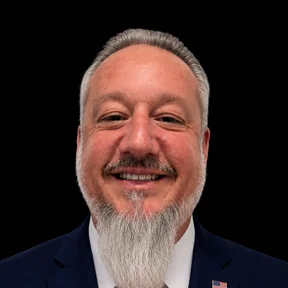
Acerca de Victor J. Rosario
Victor J. Rosario es el candidato de Residentes Primero a Alcalde del Condado de Miami-Dade 2028. Veterano de la Guardia Costera de EE. UU., empresario, tecnólogo y artista, Victor aporta un historial de construir soluciones reales — desde herramientas de IA hasta políticas de campaña — que sirven a los 2.8 millones de residentes de Miami-Dade.
Más información sobre Victor