En esta transmisión expliqué cómo debe adoptar el Condado de Miami-Dade la inteligencia artificial: un estándar construido por el condado, controlado por el condado y con los residentes primero, sin terceros en el plano de control. Importa a todo residente, dueño de negocio y empleado público, porque si nos equivocamos con la IA, el costo cae en su bolsillo.
La IA no es el problema. La mala gobernanza sí lo es.
La IA sin duda puede ayudar al sector público. Puede reducir los atrasos, agilizar los servicios, ayudar al personal a hacer más con menos estrés, mejorar los tiempos de respuesta y la satisfacción de los residentes, aumentar la transparencia y ayudarnos a detectar antes el desperdicio y el fraude.
Pero cada vez que permitimos que entre un tercero, el riesgo se dispara. Hoy en día los proveedores se encargan de la IA y el condado paga por el riesgo. Eso tiene sentido para quienes quieren entrar, para que se llenen los bolsillos arreglando sus propios errores. No tiene sentido para el condado ni para los residentes.
La IA no es el problema. La mala gobernanza es el problema.
Hoy nadie es dueño de nada. Llega un contrato, lo firman, los problemas continúan, y al año siguiente firman otro contrato con la misma gente. ¿Quién paga? Usted. Recibe menos servicios, suben los impuestos, y lo que se podía hacer con $100 millones hace diez años no se puede hacer el año que viene. Cuando el gobierno despliega la IA de la manera equivocada, rompe la confianza.
El estándar: construido por el condado, controlado por el condado, residentes primero
Ningún proveedor bajo mi administración va a dirigir el espectáculo. El condado dirige el espectáculo. Ningún acceso de terceros que no podamos auditar. Ninguna decisión de caja negra sin apelación.
Vengo del mundo de la tecnología. Construyo sistemas, operaciones, plataformas e infraestructura de seguridad, y miro al sector público como una organización seria. No estamos aquí por eslóganes ni por demostraciones llamativas. Estamos aquí por resultados y rendición de cuentas.
El gobierno solo puede usar la IA de manera responsable si controla el entorno, los datos, la seguridad y el proceso de decisión. Cuando proveedores externos se sientan dentro de su plano de control, el gobierno hereda un riesgo que no puede manejar, y el riesgo cuesta dinero: de seguridad, de contratación, legal, político, operativo. Un proyecto de $10 millones se convierte en uno de $30 millones por errores, y usted es quien lo paga.
Cuando un sistema falla, a nadie le importa lo que prometió el proveedor. Los residentes culpan al gobierno, y con razón, porque el gobierno lo permitió. Por eso yo no lo voy a permitir. Desde el primer día: adiós a la administración de terceros que llega con IA a decirnos lo que tenemos que hacer. Aquí mismo, en nuestro condado, tenemos a los profesionales. Solo que todavía no lo saben. Capacitaremos y contrataremos a los expertos que necesitemos.
La frase que repetí durante toda la transmisión: si el condado no puede explicarlo, probarlo ni apagarlo, el condado no lo controla, y no debería desplegarse.
Lo que realmente significa una IA responsable
- Seguridad. El sistema no causa daño. Eso es lo primero.
- Protección de datos. El sistema no filtra datos.
- Responsabilidad. Una persona real es responsable, y ya estoy haciendo responsable al departamento de TI.
- Transparencia. Explicamos lo que hace en lenguaje sencillo en el sitio web, para que lo pueda leer un adulto o un niño de quinto grado, traducido al español y a varios idiomas.
- Equidad. Sin resultados desiguales ni discriminación.
- Auditabilidad. Podemos demostrar qué pasó y cuándo.
- Apelaciones. Si la IA afecta a un residente, el residente puede impugnarlo y obtener una revisión humana.
La IA responsable no es solo tecnología. Es gobernanza más tecnología, política más ingeniería, gestión más seguridad. Si solo hace la IA y se salta la gobernanza, no obtiene modernización. Obtiene caos. En el gobierno manejamos los datos de los residentes, la seguridad pública, los beneficios, los permisos, la contratación, las compras, la aplicación de la ley y decisiones de alto impacto. Así que la meta no es IA en todas partes. La meta es IA donde mejore los servicios sin comprometer sus derechos, su seguridad ni su confianza.
Cómo sale mal: el manual del proveedor
Un proveedor llega con una demostración reluciente y un PowerPoint reluciente. "Podemos modernizarlos. Van a ahorrar dinero. Todos los demás lo están haciendo. Solo firmen aquí." El gobierno dice que sí. Luego el proveedor llega de verdad y necesita acceso, integraciones, flujos de datos, excepciones, soporte continuo, cuentas de administración remota. El proveedor se incrusta, necesita más dinero, y el gobierno ya no tiene el control. Cuando algo se rompe, todos se echan la culpa, y usted es quien paga.
Eso no es modernización. Eso es una fábrica de responsabilidades legales.
Bajo mi estándar, el condado es dueño de la plataforma y controla la identidad y el acceso, el registro de auditoría, las reglas de uso de modelos, los límites de los datos y los controles de despliegue y de cambios. Esto no significa que el condado nunca compre herramientas. Significa que el condado no cede el control, y si alguien ya entregó el control total, yo lo voy a recuperar. Usted puede comprar un vehículo, pero no deja que el concesionario se quede con copias de sus llaves, lo maneje cuando quiera y guarde el historial de su GPS en su computadora. Las herramientas pueden existir. El control se queda en casa.
El plan de seis pilares
1. Gobernanza y rendición de cuentas
Alguien tiene que ser responsable: un responsable ejecutivo con nombre (el jefe del departamento), un responsable técnico con nombre (el líder de TI y seguridad), un revisor legal y de cumplimiento, una declaración de propósito documentada, revisión de riesgos y un proceso de incidentes. No corazonadas. Documentado.
La gobernanza no está ahí para frenar el progreso. Está ahí para evitar que hagamos una tontería a gran escala.
El sector público no tiene reintentos infinitos. Las reglas claras también protegen a los empleados: el personal no tiene que adivinar ni verse obligado a usar herramientas al azar con datos al azar.
2. Ningún tercero en el plano de control
Esta es la línea que no se cruza. El plano de control incluye el acceso administrativo, la configuración del sistema, los sistemas de identidad, el registro, la aplicación de políticas de seguridad, el monitoreo y el enrutamiento de datos. Si un tercero controla cualquiera de eso, ese tercero controla en la práctica a nuestro gobierno. Mi regla: ninguna cuenta de administrador permanente para proveedores, ninguna puerta trasera de proveedores, ningún acceso remoto misterioso, ninguna integración que solo entienda un proveedor. Si se necesita soporte, tiene límite de tiempo, se monitorea, se aprueba y se registra. En el gobierno, si usted puede auditarlo, puede defenderlo.
3. Límites de los datos
Así se previenen los escándalos. Cada conjunto de datos se clasifica como público, interno, confidencial o restringido. Los datos restringidos no van a las API externas de modelos. Punto. Los datos internos deben seguir el acceso de mínimo privilegio, el cifrado, las reglas de retención y la limitación de propósito: usamos lo que necesitamos para el trabajo y no lo guardamos para siempre solo porque almacenar sale barato.
Los datos no son un juguete. Los datos son poder, y en el gobierno el poder debe controlarse.
4. Construir la plataforma en casa y comprar los componentes con inteligencia
El gobierno no necesita reinventar cada pieza de tecnología. El gobierno construye la plataforma: el entorno seguro, los controles de identidad y acceso, el registro de auditoría, la aplicación de políticas, la aplicación de los límites de datos y el proceso de despliegue. Las herramientas se usan como módulos reemplazables; cuando existe una mejor, la cambiamos. La dependencia de un proveedor se vuelve dependencia operativa, luego dependencia de políticas, y el gobierno nunca debería depender de un proveedor privado para explicar lo que hizo el gobierno. Eso es al revés.
5. Medir antes de producción
Mida dos veces, corte una. Antes de que un sistema entre en funcionamiento probamos la precisión en tareas relevantes para el gobierno, el sesgo y los resultados desiguales, la inyección de instrucciones, la fuga de datos y los modos de falla, y documentamos los resultados. Después del despliegue monitoreamos la deriva y las tasas de error, registramos los incidentes, damos seguimiento a las quejas y a las anulaciones, y controlamos las actualizaciones mediante control de cambios. Si esto suena a aviación o a banca, bien.
6. Transparencia, revisión humana y apelaciones
La IA se va a llevar algunos empleos; eso ya está pasando. Pero todo sistema necesita revisión humana, y ahí es donde entran nuestros empleados del condado. Si la IA influye en un permiso, una multa o un beneficio, el residente debe recibir una explicación en lenguaje sencillo, una vía de apelación y una revisión humana garantizada. En la práctica: le rechazan su solicitud, usted tiene todo en orden, hace clic en revisión humana. Un empleado del condado encuentra el error, crea un ticket, TI lo corrige, y el próximo residente no cae en el mismo hoyo.
El gobierno también debería publicar un registro público de IA: qué sistemas se usan, qué hacen, qué datos usan y cuáles son sus límites. El mío incluirá cómo pueden los residentes impugnar los resultados, con un correo electrónico directo y un formulario que llega al jefe del departamento y a mi oficina. Escribí sobre esto en este sitio en octubre pasado, en "Building Miami-Dade's Future with Ethical AI". La transparencia no es un lujo. Es protección.
Lo que esto significa para los residentes de Miami-Dade
El plan en un solo lugar: gobernanza y rendición de cuentas, ningún tercero en el plano de control, límites de los datos, propiedad de la plataforma por parte del condado, pruebas y monitoreo, y transparencia y apelaciones con intervención humana. La regla para cada caso de uso: la IA debe asistir al personal, reducir los atrasos, mejorar los tiempos de respuesta y ayudar a los residentes a orientarse entre los servicios. La Parte 2 traduce esto en casos de uso prácticos que usted sí puede sentir.
Mi petición es sencilla. Envíeme su ciudad y el único servicio del condado que quiere que se arregle primero, en los comentarios de la transmisión. Voy a leer cada uno y a encontrar soluciones. Ustedes me envían sus problemas, yo los resuelvo. Eso es por lo que ustedes votarán el 7 de noviembre de 2028.
Transcripción completa de la transmisión
Transcrito automáticamente de la transmisión en vivo (5,924 palabras). Las marcas de tiempo abren el video en ese momento. Son posibles errores menores de transcripción.
0:11Hello. Hello. Hello, Tik Tok. Hello, YouTube. Hello, everyone. Twitch. Hello. Hello, Twitch. Hello, x.com. We're live. We're live. We are live. We are live, baby. All right. All right. All right. We're live and today we're going to talk about we're going to talk about very important. All right. Let me see if I can get this going in here. Hello. Hello. Yeah. Yeah. Yeah. Test test test. Let's block the audio.
All right. So, uh, we're going to go ahead and and talk about, let's see, we're live and we're going to talk about something very important. Okay. Um, artificial intelligence in public sector, uh, county level. Okay. Not state level. We're going to do it uh county level and basically this is something that we have to do um correct and I already have uh discuss on two other videos uh neuroctography and super intelligence and one of the things that we have learned in the past videos is that uh every time that we allow allow a third party to come in, the risk explodes. And as running as may for mayor for Miami Day County, um having vendors to do the AI and then the county are the ones paying for the risk.
It's it's not it doesn't make sense. It makes sense for the guys that want to get in. You see what I mean? So they can make bank constantly and constantly create errors. So they can constantly constantly fixing in the county and the county will not benefit from artificial intelligence. If you leave these individuals, they will leave the county spinning wheels forever until the county goes to red. And that's the intention in my opinion. Uh that I can see with my eyes and I can feel uh just by looking from the outside. Okay. Uh why? Well, we already know who are those individuals, okay? I am not I don't need to to to go in detail, you know. I don't not I'm not interested in talking about them anymore. You know, everybody knows who they are and and and how they make a
3:02bank, okay? But not under my administration, okay? Uh oh, by the way, I put a description uh on this uh on this live stream. It's not allowed to tip because I am going to be talking about the county. I'm going to be talking about my campaign. So I don't want to like nobody uh to even send me one cent uh to this uh live stream. Okay. Uh so basically let's see we're going to talk about um how I see artificial intelligence in public sector and what should we do to have um all our ducks in a row for for the artificial intelligence on public sector county. Um, right now it's very important for us to to get uh artificial intelligence right for the county and for the residents. Uh because if we don't do this right, we are going to uh It's going to be costly. Okay, it's going to be costly. So, tonight I'm going to talk about uh something that matters uh matters to every resident, every business owner and every public employee. Uh that and that is artificial intelligence in government. done right the the right way because artificial intelligence absolutely help the public sector. It can reduce backlogs. It can speed up services dramatically. Uh efficiency can go up and will go up under my administration. It can help staff to do more with less stress. So quality of life uh of all of all um employees. It can improve response times uh satisfaction from the residents and it can increase transparency. Okay, it's just black and white. Um it can help us to detect waste and fraud earlier too as well. And that's one of the the the good things to have artificial intelligence because the fraud uh how it was done last year and the year before and five years ago and 10 years ago it's not going to be the same way that is going to happen after I am the next mayor of Miami date county after 2028 once that I harden all the systems and incorporate good artificial intelligence so we can like end the fraud. Okay. Um, so but I'm going to say this up front very clearly with no hype. Okay? AI is not the problem.
Bad governness. It is the problem. And that's what we're living right now. That's one of the reasons why I'm running for mayor for Miami Day County. Uh because it's bad governance, you know, and spending money just like uh there's a river of more money coming next year. Okay. Uh but recruitment is the problem.
6:14No security boundaries it is the problem and no accountability it is the big problem accountability. Um and the way the accountability works on public sector is um nobody owns nothing. Um and contracts come through. They sign off that contract and they just go, you know, we hope that that contract fix the problem, but nobody does nothing and the problems continue. And then next year they sign another contract with the same people or different people. We are related with the same people too as well. And like that they just keep milking and milking the county uh with funds. And who are responsible for those funds? you are responsible. You then are going to get less services because they will not have money. You will be direct uh um the problems will be directly to you will be in your pocket. Uh taxes will go up. Um and when taxes go up um this affects your pocket and I am not going to to get into that and the cost also goes up. So what you could do with $100 million uh 10 years ago you cannot do next year. Okay. So so the economy continues to everything everything continues to decline. Everything goes up, nothing goes down. Okay. So when the government deploys artificial intelligence in the wrong way, it just doesn't break at that point. It breaks trust. Okay. And we are there already.
Uh the government uh US government has uh destroyed the trust here in Miami Day County. Uh and everybody is aware of it. Okay. Uh they're not talking about it. They will not go public about it, but everybody knows about it. this is something that they don't want to it's not time to to to talk about it. They people are going to talk about it on election day on November 7, 2028 and they're going to vote for me for Victor J. Rosario. So the standard that I am presenting tonight is very simple and and this morning county build county control resident first. Okay, this is very uh very simple.
Um, no vendor under my administration is going to be running the show. The county, the county is the one running the show. No vendors, you know, like currently vendors are currently doing
9:02right now. No third party access path that we cannot outed. See, it's very easy to ask the county access and say, "Oh, we have this third party that we need to have access." Then county officials they provide that third party access and then the county cannot out it because it's a private company and then they cannot do nothing. So guess what automatically with me on my administration I solved the problem by by third party uh pathos and accesses that we cannot um out it okay no blackbox decision no appeal uh if you're watching live uh type in the chat uh your municipality and one county uh service that you would like to get fixed that you would like to see fixed just post it right here on Tik Tok. Just post it right here on YouTube X or Twitch. Okay? Uh just type whatever you feel like it. Okay? I I'll be reading all that and find solutions for your problem. Okay? I am that type of guy. You send me your problems, I'll fix them. As simple as that. Might take me one day to fix it, one week to fix it, but I am fast. I I fix problems and especially artificial intelligence. Okay? And if you're watching the the replay, comment in any way because uh I will read those two as well. Okay, if you this is you're watching a replay of this video that is live right now, uh just put in comments um your what I just asked you uh your city, one of your um county services that you want to get fixed in your municipality, what any problem that you may have. Okay. Oh, my name is Victor Rosari. I'm running for mayor from Miami Day County. I come from the texture world. Okay. I build systems. I build operations. I build platforms and I build security infrastructure. I build things that scale. Okay. And I look at the public sector like a serious organization because it is. We're not here for slogans. We are not here for flashy demos. We are here for results and accountability. Tonight is not a hype stream. This is not a artificial intelligence. It's magic. Boom. you know um so if you're here for real solutions you're in the right place okay um government can use AI responsibly only if government controls the environment controls the data controls the security and controls the decision process because once you let outside vendors sit inside your control plane government inherits a risk and it cannot manage okay and When government inherit risk, we're talking about this. Okay, risk equals this. In any uh in any business, public
12:05sector, private sector, it doesn't matter where. Okay? Risk cost money. Okay? So uh the risk that we cannot manage you inherit security risk money you inherit procurement risk money you inherit legal risk more money you inherit political risk more money you inherit operational risk and more money and when we are allowing third parties to come into the county those are the things that happens. The the the county gets milked by by the third parties errors and a project that will cost $10 million now is going to cost $30 million because of errors and somebody has to pay it. You know, somebody has to pay it. And guess who guess who's who's going to be paying it? Oh, wait a minute. Right than you. If you live in in the county and the county inherits and have those problems, you are the one that going to be paying for it. So, uh, my administration is going to be looking so you do not inherit these problems. And it's very simple as the first day, bye-bye third party administration coming into the into the county with artificial intelligence and trying to tell us what to do. Okay, we we will know what to do. we will get the professionals and we have the professionals right in our county working. They just don't know it yet. Okay. Uh when the system goes wrong, nobody cares what the vendors promise.
Residents will blame the government and residents are right to blame the government because government allow it in the first place. That's the reason why I'm not going to allow it. So when the residents look, they cannot come after me. I already tapped the problem. That's what I'm coming to do. And and that's why I am not your your your average politician that just allows things to happen and then just like get invited to places. N I know I'm not I'm not coming to play politics with that. I'm coming to fix the county and make the county who work better for you and for everyone employees, residents. And my administration is a resident first administration. It means that the resonance will be blaming something else, not my administration. They will be blaming the current administration or past administrations because they are the ones that created the problem in the first place. Why? They allow their parties, their friends coming into, you know what I mean? You guys know how how this work, right? I don't need to go and and explain this anymore. Everybody knows how this plays. All right? So, tonight I'm going to give you a blueprint, a way to do artificial intelligence countywide with clear rules, uh, clear ownership, and clear
15:10resident protections. Okay? I'm going to repeat one sentence through the stream because this is the truth. If the county can explain it, test it, or shut it off, then the county doesn't have control of it. Um, let's define responsible AI with no fluff. Okay, with no fluff and nonsense. Responsible artificial intelligence in the public sector means safety. The system doesn't cause harm. Let me repeat that one. Safety. It's number one. The safety doesn't cause harm. Security. The system doesn't leak data.
Okay. Accountability. A real human is responsible. Who's going to be that real human? Hello, IT department. Hey, I'm making you already responsible. Okay. Um, transparency. We can explain what it does in plain language. Okay. uh it can be explained in the website an adult can read it or a teacher in a school with a fifth grader he can read it as well it will understand it as well okay that is very simple uh language for everyone in the county to read it and we will have it translated in Spanish and multiple languages as well okay um fairness it doesn't create unequal outcomes or discrimination Okay. Auditability very important word. So we can out it.
We can prove without we can prove what happens when. Why? Because bills. If he if AI affects a resident, a resident can challenge it and get a human review. Okay, so that's it. That's responsible artificial intelligence. All right, we're done for today and thank you for coming. I'm just joking. Um, that's basically responsible AI. Okay, I'm going to just repeat this. Uh, safety, security, accountability, transparency, fairness, and appeals. Okay. And I'll add something responsible. AI is not just technology. It's a governance plus technology. It is policy plus engineering. Is management plus security. If you only do the AI and you skip the governance,
18:02you don't get modernization. You get chaos. And some people in our county, okay, from the outside, that's what they want. Chaos. And this is a great opportunity for them to to get in through the window and create chaos. And they're currently creating chaos today under the current administration. They will not be allowed to do a chaos under my administration. I will look them out. I will close that window and they're not going to be able to come in. Why? Because that's how I do things, you know. And we're going to do it with our own um um employees. We'll train whoever we need to train and we will hire we will hire experts so we can have control and you do not get affected. Okay. In government, we deal with residents data, resident services, public safety workflows, benefit workflows, permitting workflows, contracting, procurement, enforcement, and high impact decisions.
So, the goal is not AI everywhere. No, the goal is AI where it improves services without compromising rights, your safety, or your trust. See how responsible we're starting to sell? There's no chaos. We're like cutting the chaos. Bye-bye. Chowo chia sayonada. You know, uh what goes wrong? Vendors chaos. Let's explain this simply. Now, let's talk about what goes wrong when government does AI the wrong way. Let's see if this sounds familiar. A vendor shows up with a Chinese demo.
Look at this. We'll send you copies to your email. We go to your board. We'll sit down. We explain everything in a PowerPoint. Wow. Look at that PowerPoint. How shiny it is. It's super shiny. You know what I mean? Uh, we can modernize you. We can do it this fast. You will save money. Everybody, everyone else is doing it. You just need to sign in here. Okay. And government says, "Oh, yes, yes, yes, yes, yes." Because this is sounds so progress. This is going to be so great for us and for my campaign and this is going to be so good for my area. Wow.
You know what? But the vendor really shows up. The vendors need access. The vendor needs integrations. D. The vendor needs data flows. The vendor needs exceptions. The vendor needs ongoing support. The vendor needs remote
21:03admin accounts. The vendor becomes embedded in the system. And now the county is like this. They have them. Okay? They got the county and the vendor needs more money and the county says, "But let me breathe." Okay? And the government is no longer in control. The vendor is the one in control. And that's the problem. Okay? And when something breaks or data is exposed or outcomes looks based or the public ask questions, every points, everybody points finger. Oh no, no. Like it's like that's that's no. He's the one that makes the decision. Like no, look at the paper. He's the person to do this. Oh, look at that. Look, look at that. Like like no, no, it was not me. No, I was just there in the meeting, but I didn't sign. I just voted. You know what I mean? Like it was not I didn't want to authorize it at the end. No, no, no, no. It was that person. No, no, no. It wasn't me. It was that person. And and like that the media suddenly paints a different picture. They put you a different news, more news and you totally forget about what happened. Okay? But at the end, you're paying for it. Uh that is not monetization, that is liability factory. Okay?
And guess what? My administration is not counting with a liability factory. Uhuh. It is impossible. So again, AI is not the problem. Governance, it is the problem. Um, the county built standard. That's my promise. Okay, here's what I am advocating. A county standard where the county owns the platform. Okay, the county owns the platform. The county controls the identity and the access to that platform. The county controls audiate logging. The county controls model usage rules. Um the county controls data boundaries. The county controls deployment and change controls. This not means the county never buys tools. It means the county does not surrender control. I will not surren of our infrastructure and our IT departments. I will not do that and if anyone has surren I'm going to take it back okay just just just like that if somebody already sign it and give a full control to someone gene with that okay uh so this doesn't mean the county never buys okay it means that the county does not surrender control think of it like this.
You can buy you can buy a buy a vehicle, but you don't let the dealership keep copies of your keys, drive it whenever they want and store your GPS history in
24:00their laptop. Okay, you want me to repeat that one again or like let me just repeat it again so it makes sense. You know what I mean? You don't buy a car from a dealership and let the dealership keep with copies of your cars and then you park your car in your home and then the dealership comes and drives whenever they want. Okay. And store your GPS history in their laptop.
Same to same concept. Tools can exist control stays local in our administration in our departments. Okay. independency of vendors. Um, why why I'm doing this? Because it's the right thing to do. Any other way around it is is is costly for the county. Any other way is is is wrong. You do it differently than what I'm saying is completely wrong. I don't care what political party you are, what friend you have, what contributions you have done to the county prior. I don't give that's that's I don't care about that. Okay, that's not my problem. What is my problem is to have artificial intelligence done correctly and and be efficient and not be costly and solve the problems of who?
The residents of Miami Day County and the employees of the county. If artificial intelligence solved the problem for to the employees, the direct beneficiaries are who? My residents of Miami Day County. So now I want to chat uh I want the chat involved again. Type yes if you believe government should control AI systems like critical infrastructure. Type no if you think vendors should run it because they are experts. Okay, just put it on the chat. Let me see. Uh, and this is a video you're watching the video recording, just type it there, too. I want to see where people stand. Uh, just just let me know.
Okay, I am seeing a lot of yeses here. Okay, I'm seeing yes, yes, yes, yes. Some more. Yes. So, we're going to do a six pillar uh blueprint, okay? And core segments. And we're going to start with P pillar number one. uh it is governance and accountability. One is governance and accountability in plain English. Someone has to be responsible. Okay. Someone has to be responsible. Um a name executive order the department head a name technical owner IT and security lead a legal and compliance reviewer. A document and purpose statement. A documented risk review, a documented incident process, not vibes, not we think is fine documented.
27:04Governance is not there to slow down progress. Governance is is there to keep us from doing something stupid at scale. Okay? Uh because the public sector doesn't get infinite retries mistake our public mistake our expensive mistake our political mistake harm residents and I am not in here. I am not joining and running for mayors to harm nobody. I'm here to fix and help everyone in our county. So, you build governance first. And governance is is also how you protect employees, by the way. Because if rule rules are clear, staff aren't guessing and staff aren't supposed forced to use random tools with random data. That's the pillar number one. Number two, no third party in in the control plane.
Uh pillar two is the line in the sand. No third parties in the control plane. Okay, they're not flying the plane anymore. I am taking the plane keys and handle it to a county employee and say now you're in control of the plane. Okay. And the county employee is going to say like wow I've been looking you've been waiting for this all these years. Yes I know you've been waiting for this all these years. That's the reason why I'm here. And we'll give the plane for someone else to ride it and drive it. Control plate means uh administrative access, system configuration, identity systems, login system, security, policy enforcement, monitoring system, data routing. Okay. Uh if a third party control any of that, then the third party effectively controls the government.
Let me repeat that slowly. Okay. If a third party controls any of that, okay, administrative access, system configuration, identity systems, logging systems, security policy enforcement, monitoring systems, and data routing. Then the third party effectively controls our government. So, my rule is simple. No persistent vendor admin accounts. Okay, bye-bye. Thank you for stopping by. No admin accounts. No, not just like they're giving away just like every every week someone else gets admin and then they don't know what's going on. No vendor back doors. Why? There's not going to be vendors. See,
30:00there's no vendors. There's not going to be back doors. And if there's back doors, I'm going to find them and we're going to like close them out forever. Uh, no mystery remote access, you know, like how do they got in? Well, you give them access two years ago, that's how they got in. Or you give them access five years ago and they never use the access until now. Okay. So, bye-bye remote access. Okay. No integration. Only a vendor understands. Okay. If support is needed, it is time boxes monitor and approve and log. Because in government, if you can audit it, you can defend it.
And if you can defend it, you should not deploy it. Okay? If you can audit it, you can defend it. And if you can defend it, you should not deploy it. And unfortunately, um, we do deployments like this in our county and other counties in the whole state of Florida and across United States. Okay. Uh, number three, data boundaries. Um, uh, pillar three is data boundaries. Let me just get myself more comfortable here. Yes, we're more comfortable.
Um pillar three is data boundaries. This is how you prevent scandals. Every data set is classified public, internal, confidential or restricted. And the rules is simple. Restricted data does not go to the external model APIs. Period. And even internal data must follow lease privilege access encryption retention rules. Purpose limitations. Purpose limitation means we use what we need for the job we're doing and we don't keep it forever just because storage is cheap. Data is not a toy.
Data is power and in government power must be control. Now I'm going to pause and ask something that matters. Type in chat data in the chat if you believe resonant data should be treated like protected infrastructure not like marketing data or type whatever if you think it doesn't matter just let me see uh what what is happening here data or whatever one of the two put it on the chat if you're watching this as a video no live type it in comments I will get back to it as well number Four uh build the platform in-house buy components smartly. Pillar four is build the platform in-house and buy components smartly. And I want to be crystal clear. I am not saying government must reinvent every piece of technology. I'm not saying that. I'm saying government builds the platform, the secure environment, okay? and the identity and access controls, the audit login, the
33:00policy enforcement layers, the data boundaries enforcement and the deployment pipeline. Then if government uses tools, it uses them like replaceable modules. Okay. So basically um it means that they're not going to be there forever. It means that that tool will get access will do the work and once the work is completed um hey there's a better tool. So bye-bye by tool. Let's put the new tool here. You see um because vendors lock in is just it's not just financial vendors lock in becomes operational dependence then policy dependence. You see what I mean? And when you hear vendors lock in becomes operational dependence. We're talking about ding ding ding ding ding ding.
It's like a casino for them. Okay. Then policy dependence and government should never depend on a private vendor to explain what government did. That is backwards. So we build the platform and we keep control. Number five, measure before production. Testing, monitoring, red teaming, measure twice, cut once. Have you heard that before? Yes. Pillar five is measure before production. No service public instruction deploy AI like social media feature before an AI system goes live. We test accuracy on government relevant task. We test for bias and inequal outcomes. We test for prompt injection. We test for data leakage. We test for failure modes. We document the results and we just test and test and test and continue testing more and like and see like where like where this is going to break and where is this. That's why I'm good at finding where things break. Okay. No, no, everything looks good. Yeah, everything looks good. Watch this.
Now what? Oh, that means that we didn't do that. Exactly. That's what we need to do now. I broke it. Okay. So then after deployment, we monitor drift. We monitor error rates. We log incidents. We track complaints. We track overrides. We control updates through change control. If this sounds like aviation or banking good public sector disab um number six transparency human review and appeals this is the part which I like okay because some people are scared um the artificial intelligence taking all the jobs is impossible okay and I am here going to talk about that so um that artificial intelligence This is going to take some jobs. Of course, there are jobs already that have been taken and next year will be more and next year, next year will be more and more. But always in order for have a system. Okay. Uh we need human review and that's where our county employees come reviewing the artificial intelligence making efficient and making it better.
36:04If artificial intelligence influence something that impacts a resident, a permit workflow, okay, fine workflow, a key position, a benefit workflow, then resident must have a plain language explanation, a way to appeal and guaranteeing human review options. It means that uh we can create a a system to do XYZ uh workflow or XYZ form and based on that form you get a decision gets decline and you say like wait like I did everything I did AB C D where does this decline then right in there will be um an option certain when it gets declined that goes automatically to human review.
So the workflow and everything is done for the I can be autom automated and based on the rules that how the system was created. Uh your application gets declined and denied but you have all your ducks in a row and you click human review. And before you click human review, I will make sure that our systems you do not have to click human review any decline or anything that is not right. Okay, we will have what do we have the county employees they will check and say well completed everything that's an error in the workflow.
Now we can approve that and now that county employee prior to approve the workflow or the application or whatever is the process that we are uh optimizing and we're doing it on the AI has to create a ticket. So the IT department reviews as well what the county employee wants to approve and then we can go back and fix the problem. So when we have another resident behind that resident, it doesn't fall in the same hole. It just gets approved. If he's has all the ducks in a row and have all the specifications and have everything correctly, then poof, it just gets approved. Why? Because the county employee just review it, found the error, contact the IT department. IT department repair it and the next county resident. Wow. Guess things approve things go for the for who? For the resident. Okay. So, we will be minimizing the the volume of errors as as year after a year we get the systems
39:00working more efficiently for you for the resident. Government should publish a public AI registry. What systems are used? Uh what do they do? Uh what data they use? What their limits are? And if you go to Victor uh miamidaycountym.com, I already have uh write uh about this uh that we're covering today. Um you go to the blog. Let me just look for that piece on my blog. So um it is the piece that we're going to be using AI dot ai.miamid date.gov.
Okay. And right now if if you go uh nothing is happening on that um um on that link and and basically Um the the piece was written in October 25th uh building Miami Day feature with ethical AI. Um that is the piece that I wrote um on October of last year and we're covering that today. And on that registry uh my administration responsibly will create uh what systems are used, what they do, what data they use, uh what their limits are, how residents can challenge outcomes, have an email uh so they can communicate uh directly, have a form there ready uh that you can fill.
So that way it can goes uh to the department heads depending what is the what is the service or the program disruption that you had and that goes all the way to the department heads and boop goes to my office too as well. Okay. Because anything that happen in the county on my administration everybody is going to be notified but my administration my office is also going to get notified because I am going to be on top of everything. Okay. And I know how to do this. uh uh that is what trust
42:07looks like. Okay. And I want the residents to trust uh what I am doing. That's what they're voting for me. And I want to keep an open um an open policy uh door open for them to feel comfortable to send me their problems, their frustration about the county not working for them correctly because that writing there means that Victor comes with the impact wrench and fix it. Okay. if if if residents do not communicate uh with the forms in the emails and I don't get copy of it or I don't get um feedback from the department heads the supervisors when I talk with them and I ask them in meetings um to me um that department is working fantastically fine okay but if you communicate with the with the county and communicate with the department heads and my office gets a problem that means that we need to fix you know and that's the reason so we built in pacing and engagement uh here's the reality transparency is not a luxury it is protection it protects resident and it protects government uh employees and the government as well uh we covered the blueprint governance and accountability no third parties in the control plane no data boundaries uh county platform ownership testing and monitoring, transparency and appeals with human intervention. If if you're still watching, do me a favor, hit the like button and share the stream and drop your city in the chat again because the next segment is where we translate the blueprint into practical uses case people can actually feel.
Okay. And I also going to talk about something nobody wants to talk about. How to modernize without turning government into a vendor playground. Okay. And that's one of my things. Uh and in the little playground that they have in here, the playground for a lot of things. Okay. Playground inside of the county, playing around with the law enforcement, playing around with everyone. It's just a huge playground and we're adults and I am tired of the playground. Okay. So, um real use case.
Before I list the cases, I'm going to set the rule. AI should assist staff, reduce backlogs, improve response times, and help residents navigate services. You see AI
Descripción original de la transmisión
Esta transmisión en vivo presenta un enfoque responsable y seguro para adoptar la IA en el gobierno: plataformas propiedad del condado, gobernanza clara, límites estrictos de datos, monitoreo continuo y protecciones transparentes para los residentes. Mi postura es sencilla: si el condado no puede explicarlo, probarlo o apagarlo, el condado no lo controla — y no debería ponerse en uso. Hablamos de: Gobernanza y responsabilidad de los sistemas de IA Estándar de seguridad “Ningún tercero en el plano de control” Clasificación de datos y manejo de datos restringidos Pruebas, red teaming, monitoreo y registros de auditoría Transparencia, revisión humana y vías de apelación para los residentes Casos de uso prácticos que mejoran el servicio sin comprometer los derechos Comente: su ciudad + el servicio del condado que quiere que se modernice primero. #ResponsibleAI #Government #Cybersecurity #DigitalTransformation NO SE ACEPTAN DONACIONES EN ESTA TRANSMISIÓN EN VIVO
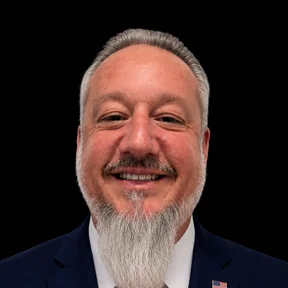
Acerca de Victor J. Rosario
Victor J. Rosario es el candidato de Residentes Primero a Alcalde del Condado de Miami-Dade 2028. Veterano de la Guardia Costera de EE. UU., empresario, tecnólogo y artista, Victor aporta un historial de construir soluciones reales — desde herramientas de IA hasta políticas de campaña — que sirven a los 2.8 millones de residentes de Miami-Dade.
Más información sobre Victor