En esta transmisión abrí mi serie educativa sobre neurocriptografía con los dos primeros capítulos: qué es la neurocriptografía, por qué importa la privacidad neural y el recorrido que hacen sus datos cerebrales desde un sensor hasta el panel de control de un proveedor. Es un tema del que los medios no hablan, y precisamente por eso hice este video.
Por qué enseño esto
Ahora mismo hay un club grande, y ni usted ni yo estamos invitados. El club son personas, incluidos agentes federales, que usan esta tecnología a su favor y ganan mucho dinero con ella. Durante muchos siglos su mente produjo datos y nadie podía explotarlos. Eso cambió hace unos diecisiete años, cuando la inteligencia artificial y las redes neuronales empezaron a desarrollarse.
Creo en la privacidad y no creo que el gobierno tenga la autoridad para estar en su cabeza leyendo sus pensamientos y sabiendo lo que usted va a hacer, sabiendo su contraseña, sabiendo también sus contraseñas de Bitcoin.
Llevo casi tres años investigando los decodificadores semánticos del cerebro y la neurocriptografía. No les voy a decir cómo violar estos sistemas, pero si hay una forma de entrar y una forma de salir, siempre hay una manera de romperlo. Se lo doy como educación.
Capítulo 1: Qué es la neurocriptografía
La neurocriptografía es la ciencia de la seguridad que protege los datos neurales, es decir, las señales cerebrales, de la misma manera en que protegemos el dinero, pero de forma más estricta, porque los datos cerebrales pueden revelar significado, intención, emoción y patrones de identificación. Aplica el pensamiento criptográfico y la ingeniería de seguridad a los datos neurales y a las interfaces neurales para que la privacidad, el consentimiento y la seguridad estén incorporados desde el diseño y no añadidos después.
- Los datos neurales son señales medidas del sistema nervioso. Algunos ejemplos son las señales de EEG, ECoG, EMG y fNIRS.
- Una interfaz cerebro-computadora (BCI) es un sistema que mide las señales neurales, las procesa y produce una acción: una señal de control, una clasificación, comunicación, un ajuste de terapia.
- La neuroseguridad protege los sistemas neurales contra ataques, uso indebido, manipulación o acceso no autorizado.
- La neuroprivacidad protege a las personas contra la recopilación, la interferencia, el intercambio o la comercialización no deseados de sus señales neurales.
La neurotecnología está pasando del laboratorio de investigación a los productos: EEG portátiles, cascos, herramientas de accesibilidad, sistemas de monitoreo médico y BCI experimentales. Los neurodatos no son solo datos. Pueden ser profundamente personales, potencialmente identificables y difíciles o imposibles de cambiar, a diferencia de una contraseña.
Mi currículo se apoya en cinco propiedades: confidencialidad (los neurodatos no son legibles para partes no autorizadas), integridad (se detecta la manipulación), autenticación (se confirma al usuario y al dispositivo correctos), consentimiento más control (el ser humano sigue siendo la autoridad) y minimización (recopilar y conservar solo el alcance mínimo necesario). El consentimiento es la parte que más me importa, porque actualmente esta tecnología se está usando sin consentimiento. Necesitamos redactar nuevas leyes y tenemos que proteger a la gente.
Lo que no es, y de dónde viene
Para mantener la honestidad de esta serie, trazo límites. La neurocriptografía no afirma que hoy se puedan cifrar los pensamientos como un mensaje de texto, y no sustituye a la ley, la ética ni el consentimiento. Y para ser preciso: no es lectura remota de la mente. Es lectura real.
Los decodificadores semánticos del cerebro se desarrollaron en la Universidad de Texas en Austin hace aproximadamente diecisiete a veinte años, con una investigación dirigida por el neurocientífico y científico de la computación Alex Huth. El propósito original era médico. Digamos que usted sufrió un derrame cerebral y ya no podía hablar. Un casco con sensores leía su cerebro y su pensamiento salía en una hoja de papel: “Quiero café”. Usted no podía hablar, pero alguien podía escuchar su mente.
Avancemos en el tiempo. Pasamos de 2G a 5G, y el 6G ya existe en algunas zonas de Estados Unidos. Esos decodificadores semánticos del cerebro ahora son inalámbricos. Sin casco. Piense en su cerebro como en un teléfono: de él sale una señal, llega a una torre y alcanza otro lugar. Cuando usted entra en una máquina de resonancia magnética, esta captura la frecuencia de su cerebro, y esa frecuencia puede ingresarse en una BCI.
Por qué los neurodatos necesitan su propia disciplina de seguridad
Si se filtra una contraseña, usted la cambia. No se puede rotar el cerebro. Controla todo su cuerpo, pero está expuesto: emite señales en todo momento y usted no puede cubrirlo. Las firmas neurales pueden correlacionarse con condiciones de salud, fatiga, estrés, estados de atención, efectos de medicamentos y rasgos cognitivos. Las señales sin procesar por sí solas pueden tener ruido, pero si se combinan con una ubicación, una marca de tiempo, una identidad y un ID de dispositivo, el riesgo para la privacidad se multiplica.
Piense en los autos. Hoy casi todos los vehículos tienen una dirección IP conectada a mapas, y esos datos se venden a las compañías de seguros: cuántas millas maneja, a qué hora enciende su auto. Si un vehículo revela tanto, imagine lo que puede salir de su cerebro.
El recorrido de los datos y los cinco principios
Todo sistema neural se reduce a un modelo mental: detectar, limpiar, extraer características, modelar, producir una salida, almacenar y compartir. Un casco o un implante recoge las señales, el sistema filtra el ruido y convierte las señales en números, un modelo de aprendizaje automático las interpreta y la salida es una acción o una decisión. Luego los datos se almacenan en la nube y en registros, y se comparten con proveedores y socios, que son los que ya están cobrando.
En cada etapa la pregunta es la misma: ¿qué hay que proteger aquí y cuál es la manera de operar con menos riesgo? Protegemos las señales sin procesar, las características, las salidas de los modelos, los vínculos de identidad, los tokens de claves, la telemetría y los registros, los datos de entrenamiento y los registros de consentimiento. Cinco principios se repiten a lo largo del currículo:
- Minimizar. Recopile la menor cantidad posible de neurodatos.
- Primero lo local. Prefiera el procesamiento en el dispositivo; evite las señales sin procesar en el almacenamiento en la nube.
- Cifrar en todas partes. En tránsito, en reposo, en las copias de seguridad y en los registros.
- Separar y aislar. Mantenga la identidad separada de los neurodatos siempre que sea posible.
- Consentimiento y revocación. El usuario debe poder detener el acceso y purgar los datos. Todavía no estamos ahí. El gobierno sí está ahí; usted no.
Tres casos muestran por qué. Un casco de bienestar que sube sesiones de concentración construye un perfil a largo plazo de sus patrones cognitivos y de salud. Una BCI de accesibilidad que usa procesamiento en la nube de terceros le entrega sus datos a ese tercero. El neuromonitoreo en el trabajo conlleva el riesgo de coerción, vigilancia y discriminación.
Cuando usted invita a un tercero a su fiesta, hay un problema.
Capítulo 2: Mapear el sistema de principio a fin
La mayoría de los fallos de seguridad ocurren porque la gente no mapea el sistema de principio a fin. Aseguran la aplicación, pero olvidan el firmware, el transporte por Bluetooth, los registros, los paneles de los proveedores, los depósitos en la nube o una puerta trasera que un desarrollador dejó a propósito. Así que vamos etapa por etapa.
- Sensor y dispositivo: manipulación del firmware, clonación de dispositivos, telemetría oculta, mal almacenamiento de claves. Defiéndase con firmware firmado, claves respaldadas por hardware e identificadores de dispositivo mínimos.
- Aplicación complementaria: permisos excesivos, rastreadores de terceros, autenticación débil, registros de depuración que capturan señales sensibles. Defiéndase con permisos de mínimo privilegio, cifrado local, almacenamiento seguro y la autenticación más fuerte posible.
- Transporte (Bluetooth, Wi-Fi, celular): cada traspaso de una parte a otra es un riesgo, además del emparejamiento débil, los ataques de repetición y la fuga de metadatos. Defiéndase con emparejamiento moderno, canales cifrados y rotación de claves para que la siguiente clave siempre se genere de forma aleatoria.
- Procesamiento (local o en la nube): mala configuración de la nube, retención excesiva de datos sin procesar, acceso no autorizado mediante herramientas internas. Defiéndase con procesamiento en el dispositivo cuando sea factible, control de acceso estricto, ninguna retención de señales sin procesar por defecto y registros de auditoría sólidos.
- Salida: manipulación de la salida, uso coercitivo, afirmaciones médicas basadas en señales débiles, registros de salida que se convierten en perfiles sensibles. Defiéndase con verificaciones de integridad, transparencia y controles del usuario para pausar, detener y borrar.
- Almacenamiento, análisis y proveedores: retención prolongada equivale a elaboración de perfiles a largo plazo. El personal de soporte con acceso al sistema interno y sin controles estrictos es la manera en que ocurren las filtraciones: un acceso pasa de persona en persona hasta que alguien que trabaja siete horas queda conectado veinticuatro horas extrayendo datos. Defiéndase con límites estrictos de retención, contratos con proveedores que prohíban la reventa o la reutilización, y derechos reales de eliminación y exportación.
La conclusión clave: la seguridad no es una sola función; es una disciplina de principio a fin. La mayor parte del riesgo está en las aplicaciones, los proveedores, la retención en la nube, los registros y los terceros, no en el algoritmo de cifrado.
La decodificación semántica y el peligro oculto de la inferencia
La decodificación semántica es la inteligencia artificial que asigna significado a las señales cerebrales: conceptos, palabras, temas. Es probabilística y funciona mejor con señales de buena calidad, condiciones controladas de laboratorio y un modelo entrenado con la misma persona. Es más difícil con datos con ruido y con personas que no cooperan.
La inferencia es el peligro oculto. Aun cuando los datos sin procesar parezcan anónimos, los modelos pueden inferir identidad, rasgos, intención, emociones y patrones. Piense en ello como los subtítulos para las señales cerebrales con ruido: no son perfectos, se basan en patrones y probabilidad. Los decodificadores semánticos no leen su alma; hacen coincidencia de patrones. Pero incluso una señal de apariencia inofensiva puede revelar significado.
Su mente son sus datos. Por eso sus datos cerebrales deben protegerse como el activo de mayor valor en la Tierra.
La libertad cognitiva es la libertad de pensamiento en la era digital: su estado mental, su atención, su intención, su habla interna y su emoción no deben extraerse, almacenarse ni monetizarse sin protecciones explícitas. Hoy esas cosas se están explotando porque nuestras leyes no se están poniendo al día con la tecnología. Es como el Lejano Oeste: sin regulación, y la gente usa y abusa de todos como le da la gana.
Lo que esto significa para los residentes de Miami-Dade
Esto es lo que les pedí a todos los que estaban viendo.
- El consentimiento debe ser real, específico y revocable. Usted debe poder detener el acceso y borrar sus datos, y quien abuse del sistema debe ser expulsado de él para siempre. Ahora mismo usted no está dando su consentimiento para lo que le está pasando a usted, a su vecino o a su familia.
- Necesitamos nuevas leyes. Esta tecnología se está usando sin consentimiento. Tenemos que redactar nuevas leyes y proteger a la gente.
- Edúquese. Investigue esto por su cuenta en cualquier navegador. Si tiene una pregunta, envíemela y se la responderé con base en mi investigación.
- Haga los ejercicios. Enumere cinco cosas que los neurodatos podrían revelar además de sus pensamientos. Dibuje el recorrido de los datos de un producto hipotético de EEG portátil, identifique sus tres mayores riesgos y decida qué procesaría en el dispositivo y qué en la nube.
El capítulo tres es el siguiente: modelos de amenazas, ondas cerebrales y bandas de EEG, y la metáfora de la neuro-clave explicada de forma segura. Vuelva a ver esta sesión y regrese para la siguiente.
Transcripción completa de la transmisión
Transcrito automáticamente de la transmisión en vivo (10,804 palabras). Las marcas de tiempo abren el video en ese momento. Son posibles errores menores de transcripción.
0:06Hello. Hello. Reloading. Reloading. Welcome, welcome, welcome, welcome, welcome, welcome, welcome, welcome, welcome. So basically um today I am going to be um discussing neurocryptography and we're going to cover uh the first three chapters so you know what is happening with neuro cryptography. This is a new subject and a lot of people don't know what's going on. But once that you start learning uh what is uh network cryptography, a lot of things are going to start making sense to you as uh events around the world uh continue to get um to happen and start getting more shape in your mind. Um this is a subject that is not it's not something that is heavily discussed on the media for a reason. Uh less people that know about it better for a lot of people. Okay? And I am it's like a there's a club and neither you or me are invited to the club. We'll just use by the club. Okay. So uh due to that fact that's the reason why I'm making this video. Okay. Um before we start uh we're going to cover about it uh neurocrytography the first three chapter um in chapter one we we're going to discuss uh what is neuro cryptography and why neurop privacy matters. Okay.
All righty. Let me just get more information here ready. And um right now um if you are watching this one way or another, there is a big club. Okay? And the big club is a federal agents utilizing the technology in their favor. And if you're watching
3:02this to uh any of my social medias, it means that you are not part of that club, okay? And you are not able to utilize and exploit the data that these individuals are currently uh doing. and they're making a lot of money uh because of this. Okay, so let's see. Okay. Um, not cryptography 101 is your data and your mind. Okay. Your mind is um always producing data and for many many many centuries um that was your data. Uh no one was able to exploit your data. But uh 17 years ago with artificial intelligence and neuronet networks starting to develop now that is a whole different story. Okay. Uh what is neuro cryptography? Neuro cryptography is the security science of protecting neural data brain signals. uh the same way we protect money but it's stricter uh because brain data can reveal meaning, intent, emotion and identifying patterns. Um so right now I am going to start talking about uh chapter number one.
Okay. And we're going to cover today three chapters only. Uh yes, probably from now all the way to almost 4 o'clock. Uh but if the subject and and we have questions uh we're we're going to to get more um do more stuff here and educate ourselves. Okay. Um well basically neuroto neuror cryptography in the first three chapters is uh learn how to neurop privacy and neuro data security should work in real systems. We will cover what neuro cryptography is the full BCI pipeline and EEG brand and artifacts and the responsible neuro keys concepts. Um let's see.
So, oh, the neur neuro technology is moving from
6:00research lab into products, wearable EEGs, uh, headsets, well devices, accessibility tools, medical monitor systems, and experimental brain computer interfaces, PCIs. Okay. Uh, that chip creates new reality. Okay. Neurodata is not just data, okay? It can be deeply personal, potentially identificable and hard or impossible to change unlikely passwords. Okay? This series exists to define a practical defensible concept. uh neurotography applying uh cryptographic thinking and security engineering to neuro data and neural interfaces so that privacy, consent and safety are built in not bolted on. Okay. Um give me one second. I just to enter.
See All right. So, now that we got that message out, let's see. Disconnect. All right. uh 1.1 core definitions and simple prize size eyes you know neural data neuro data is signals measured from the nervous system brain and peripheral nervous system examples uh EEGs ecogs EMGs and fnirs signals okay uh what is a brain computer interface um I am going to be talking about brain computer interfaces. So the subject uh the definition the acronym for brain computer interface will be BCIS or BC BCI or BCIS. Okay. Uh and what is a BCI? A brain computer interface is a system that measures neuro signals, process them and output action, control signal classification, communication, therapy adjustment, etc., etc., etc. uh we're going to be talking more about the eteras uh because this is part of my research that I have conducted for the past few years um with uh brain computer interfaces and neuro cryptography um what is protecting the brain computer
9:01interface okay there is a a part it's a technology that is like a layer of protection which is neuro security protect neuroch systems from attack uh misuse, tampering or unauthorized access. Okay. And it's very important to have the brain computer interface the BCI is protected. So not everybody can access get access your thoughts, your brain activity, what are you thinking, what are you going to do, etc., etc., etc. Uh you're more than welcome to research this by yourself in your in your browser on Safari, Google or or any other um browser out there. So you can like um get educated as well and find more information and if you have any question just send me over the question. I'll be glad to answer that question based on the research that I have conducted for the past few years. Okay. Uh what is network privacy? Okay. Uh, and that's one of the reasons why I'm here, okay? I believe in privacy and I don't believe that the government have the authority to be in your head uh reading your thoughts and knowing what you're going to do, knowing your password, knowing your Bitcoin passwords as well. Okay. So uh neurop privacy is protecting individuals from unwanted collection interference sharing or commercialisation of their neuros signals and environmental biological insights. Um we have a few corporations from United States of America and other countries um mining this data today. Okay. Um you can search it. you know, Meta has done some work and they um publicly have uh put it um um press release what they're doing.
Okay, but that's the part that they're saying. Okay, there's a lot of information and a lot of uh research that is not being um released and it's all it's being kept uh for security purposes and also um is a way for for some people make money uh because if you don't know hello hello if you don't know uh what's going on um you know you're not making money but once you know uh you're going to start making money. Okay. um narcography in our curriculum that I have came up with uh to educate everyone is uh confidentiality, integrity, authentication, consent plus control and minim minimization. Okay. Uh confidentiality neurodata isn't readable to unauthorized parties. It means that today based on the research that they have conducted for many years is still confidential.
12:03But today I already have made some um came up with some ideas of how to exploit that part of configity and enter and and and get the keys um um to to um to enter into a brain computer uh interface. Okay. Uh we will talk about that later on. Uh I am not going to tell you how to do this but just to let you know that I have found uh an exploit myself of how to to achieve that. Um and this is something that I am not going to put it here because uh for security purposes um I want that the system continue uh confidentially. Okay. Uh but it's possible. It is completely 100% possible. If there is a system and there's a way in and there's a way out.
There's always a way to to crack that system. Always you know all systems get cracked one way or another. Uh but I am not going to participate on that part of it. Okay. I am just giving this as a education part. So you know um what is um uh what is what we're talking about here. Okay. Uh integrity uh integrity part is the neural data of and outputs are altered without detection. Authentication systems uh can confirm the right users and device is present. This is just like uh when you are connecting to an example um so you can so you can start making sense. Uh, authentication is when you connect to Wi-Fi and you put your password and authenticates your device and you connect yourself a device to a to a to a to a Wi-Fi to a modem.
Um, or you have an app and the app you put your email, your password and authenticates your device. uh um your brain behaves the same way. So your brain signals authenticate and connects to BCI. What is a BCI? Anybody out there is a brain computer interface. Okay. So [snorts] um consent plus control. Consent control is the human remains the authority. Okay. So we the operators, we are the ones in control of the consent and control. Um currently uh this technology is being used without consent. That is one of the reasons why I'm here um talking about this. Okay. Because um the human remains the authority and are
15:01exploiting uh the brains of people without their consent. Okay. And that's something that we need to carve new laws and we have to protect people. Uh right now there's some in Congress there's some uh talks about this closed doors uh the new uh United UN United Nation also this is being talk closed doors as well uh and other countries and partners of United States as of America as they know about this technology okay uh minimization uh reduce the collections and rotation to the smallest was necessary scope.
Um what is neurography is not to keep this series uh honest and credible. We I'm going to draw some boundaries. Okay. Uh neurocrytography is not a claim that thoughts can be encrypted like a text message today. Okay. Uh I promise that their neural signals are stable enough to serve as perfect passwords. remote mind reading or sci-fi surveillance mechanics. Um that's what is also happening right now. Okay. Um it's not remote mind reading, it's just actual reading. Um semantic brain decorters were developed in uh Austin, Texas around 17 to 20 years ago. Uh let me just give the proper credit to the doctors. So okay.
So, um, let me see. Okay. Uh, the researchers of the semantic brain recorders developed on the University of Austin, Texas here in United States of America. We are the pioneers of this technology. Okay. uh researchers like in the University of Texas of Austin primarily led by uh professor of neurosciences and computer scientist Alex Huth and doctoral students Jang um I have done more research and they are leaving few people um out for security purposes but there's
18:00a there's a group of individuals uh I have not met them um personally but I have read about them uh for the past u last maybe two years approximately they start uh decoding what is the the u semantic brain decoders. Okay. and a brain decoder. What it is is like you get into MRI um MRI system uh the ones that goes spins and spins and you're like laying down spins and spins and that takes all your frequency of your brain all around. Okay? And with that frequency once you have that frequency you enter that in a BCI. Um and once you you enter that in a uh in a BCI um you are you are connected uh to a brain computer interface. Okay.
Uh you can purchase this as well the brain computer interfaces uh substitute for law ethics and consent fra okaytography is a security architecture mindset for nod data pipelines. uh neurography is a set of defensive control applied to signal features model output and logs. Um and a blueprint for privacy by design in system that touch the nervous systems. Um semantic brain decoders. Let me just go back to semantic brain decorders. Um semantic brain decorder was developed uh for let's say for example you get in a car accident or you get a brain stroke and suddenly you cannot speak. Okay. Um 17 20 years ago when this system was created, somebody had uh um some sensors in their brain. So it's like a helmet and let's say that you wanted to drink some coffee, right?
Your thoughts were translated in a piece of paper that came out that says, "I want coffee." And then somebody will bring your coffee and then you cannot verbally talk. Okay, you cannot verbally talk but someone can hear your mind and your thoughts. Uh and that was 17 20 years ago. And now you fast forward. We have from 2Gs, 3Gs, 4Gs. We're on 5Gs and we're about to we're already on 6Gs in some areas in around and around United States. Um it's not commercially available yet, but some carriers already have 6Gs. Um but commercially, if you
21:02have a business that you want to use 6G, you need to wait until 2030. That's the last time that I did my research on 6G. Um what have happened is that those semantic brain decoders now are wireless. Okay. So now we don't have to have the helmet with the sensors in the head. This is now wireless. Um the same way same way that a device like a cell phone okay you cannot see who I am talking to but you know this is a a signal coming out of the phone goes to the tower from the tower goes different towers and goes to a different phone and that's how we talk. Okay. Uh so basically um to everybody that is watching me on um I have on Tik Tok they're asking me to come in to co-host and and do all this kind of things like that. Um let's let's let's talk later on so I can go and do co-hosting. I'm doing a class once that I finish the class. I'm more than happy to join in in one of your streams as well to to meet people and and have and answer any questions you might have. Okay. So, so that's where we at right now. Your brain is like a phone. Your brain your phone can connect or you get to somewhere that you don't have signal and you connect you go to Wi-Fi, right? And you see uh the the where the Wi-Fi box you can connect. If you're in a restaurant or if you're in a nightclub, you're in a hotel, you're on an airport, you're in an airplane, you are anywhere around the world, you just click Wi-Fi, book connect and then if you know the password, you connect, right? So basically when you get into MRI machine, that's exactly what what happens.
MRI machine um gets your data and there are multiple ways to get that uh scan get your brain. Okay. Um I am going to keep I have done a lot of research. I know that I'm going to keep it simple just like a phone. Okay. But there's other ways to get that your signal, okay? And if you're smart, you're going to figure it out. Okay. Um 1 1.4 chapter part four is the neurodata reality. Why this needs its own security discipline? Uh neurodata introduce security problems that are worse than normal biometrics. Okay. Uh you can rotate your brain like a password. Okay.
Um, another thing that I have learned is this. Uh, you can use your hands to to protect yourself in a fight. Okay? You
24:01can use your hands to to to fight, to do whatever you need to do. Okay? But your brain inside controls your hands, controls your legs, control your body movements, controls everything. But it's exposed. You cannot protect your brain. You cannot cover your brain. You cannot protect your brain because it's throwing signals out at all times. So, um there's no way for you to protect your brain. And and that's one of the reasons why I'm also doing this. Um so, you know what is uh happening. Um if a password leaks, you change it. Okay.
Um sometimes you can change your password for security purposes. um if you're in a corporation um and and there are um instructions on the IT department that every employee in XYZ classification needs to change their passwords every two weeks, every one month, every 3 months, every 60 days uh accordingly or once a year accordingly the instructions that the IT uh management or IT department uh put in the system. Okay. Uh if a biometric if a biometric template leaks, you can change your fingerprints. Okay. Neural signatures can be even more sensitive because they may correlate with health conditions, fatigue, stress patterns, attention states, medications effects, and co cognitive neurological traits. Okay.
Neuro data becomes more dangerous when combined uh raw signals alone might be noisy. Combine it with a location plus time stamp identity plus device ID and be behavioral patterns and the privacy risk uh multiplies and multiplies um and the risk continues to to um to multiply. The not data pipeline mental model. The foundation of everything every narrow system is basically this. Sense clean feature model output store and share.
Okay. Again I'm going to say it again. Uh sense clean feature model output store and share. Uh where where is senses? Uh headset implant device collecting signals. Uh what it cleans? It cleans filter noise artifacts. Uh what it features. Okay. Turn signals into numeric representation. Okay. 0 1 0 1 1 2 0 0. Okay. Uh model machine learning or rules interpret features. Okay. Here we're
27:02starting to enter into the AI uh output. The output of it is action. We have the action. We have decision. We have the control. Um and how to stare store store and share uh we store it at clouds um on logs you you know what you're storing in the cloud because you have the logs analytics to see where's the data going up down you know left right and all 360 degrees in the back of the 3D to these everywhere around uh vendors and partners okay vendors now those are people that are already cashing in Okay.
And partners are catching in. So time to start looking for vendors, start to looking for patterns and start looking for education. I suggest you to start looking for some education, formal education so you can get hired by a partner or vendor. That's how this works. Okay. Uh neuro cryptography ask um you need to ask a question on each stage. what must be protected here and what is the lowest risk way to operate and minimize the risk factor. Okay. Um you always when you're building systems and you're working on systems you that's that's basically what you're looking how can I do this? How can I protect everything?
um and and and and what is the lowest risk uh way to operate that there's a riskmanagement assessments where you are working and creating u data in neuroctography you protect more than a file okay and more files what are we protecting in neuro cryptography okay we are protecting uh raw signal which is the most sensitive uh the right features and embeddings. Uh we're also protecting model outputs, identity bindings, key tokens, telemetry and logs, training data, consent records. Uh model outputs are the decision can leak meaning out there.
Identity bindings is who the user is. Okay, a phone has all that you know has uh derivative features embeddings and model outputs decisions uh identity binding who's the user is you know the phone has an ID with that ID name on the telecom company the telecom company has a name address how much that person pay what plan they have and that you can find out if you get an ID of a phone you can find out who's the carrier In the carrier, you can find out who's behind that phone ID. And that phone ID is going to give you an account. That account has a name, address, how much
30:03they pay, who this ID is contacting, who this ID is texting, who this ID is watching online. All this is identity bindings. Okay, that is going to give you an idea from a phone. But remember, we're not talking about the phone. We're talking about your brain. Okay. Uh key tokens. Everybody know about key tokens. Uh telemetry and logs. Uh this is uh very quietly dangerous. Okay. Uh training data if we're using ML is used to train data and for AI models. Uh consent records who give the proof of authorization who is uh who's doing that? Okay. uh the five principles the rule that has prevent disasters is uh these five principle we repeat throughout the curriculum okay and through the chapters that we're going to discuss uh number one minimize uh number two local first number three encrypt everywhere number four separate and isolate and number five consent and revocation uh number one minimize is collect the smallest amount of neuro data possible Uh um local first is prefer on device processing. Avoid raw signals cloud storage. Uh encrypt everywhere in transit at rest backups and logs.
Separate and isolate. Keep identity separate from neo data where possible. Consent and relication. User must be able to stop access and purge data. And that's we're not there yet. The government is there. you are not there yet. Okay. Um quick reality cases examples and why this matter. Um example wellness headset. Uh it track focus and upload sessions for insight. Uh there is a long-term storage built a profile of your co cognitive health patterns. Um, a way to describe this is, uh, 1970s, 1960s, the vehicles when you purchase a vehicle just have like a simple computer. Um, that was just very very basic. Uh, today's computers on the vehicles. Um most every vehicle has an IP. That IP um is connected to maps. Those maps are gathering data from that IP. And that vehicle uh with that vehicle has a VIN number and with that VIN number has a driver
33:01and owner of the VIN number. The VIN number is registered um in a documentation in your county, your state under your name, address, telephone number and all that. And back in the days, um, you had to tell the insurance company. This is an example. So, so you understand relate, uh, how you were use your your your vehicle. Well, I'm going to use my vehicle. I want to be driving 20 miles uh per day, 10 miles per day back and forth through my out maybe do some shopping once a week and maybe over the weekends go out and based on that they will like give you a premium calculate.
Today um systems and vehicles save all that data and that data is sold to insurance companies. Okay. So insurance companies when they do the underwriting they will ask you to see what you say but they turn around and with these vendors they can extract the information for all the big models and and and big vehicles around the world and they know how many miles exactly you use per day per month. At what times do you start your vehicle? what time you depart, um how much is your consumption of gas, a lot of analytics data that comes out not on those computer vehicles, they're connected to the internet. Um and and if vehicle gives you that data and all that information, imagine everything that you can give out from your brain. Okay. So the risk of track focus and upless um and upload sessions for insight is the long-term stories built a profile with your co cognitive uh and health patterns. Okay.
Example number two accessibility with uh uh BCI uh help a user communicate but use third party cloud processing. The rest is right in there. When you I always I always have uh talk about this. There is a party. When you invite a third party into your party, there's a problem. Okay. Um when you have an app and and you have that app and you invite someone into that app, that is no longer your app.
you invite a third party into your app. Now that third party also owns your data and you no longer have privacy because that third party that comes into your app have your data and how these
36:07companies make money selling your data. Okay. So uh accessibility with a brain controller interface BCI helps a user communicate but uses a third party cloud processing. Uh we already know where are the cloud processing you have the AWS you have your Google cloud and you have other corporations around the world um that have uh cloud processing and cloud space for you to rent. Okay. Um, example C, workplace workplace neuro monitoring. Okay. Now, we're talking about a corporation that is hiring you is neuro monitoring you. Okay. Uh, an employer provides a device for productivity. uh the risk of that device for productivity is the coercion and surveillance and possible discrimination based on a narrow monitoring that will happen in the future. Okay.
uh exercises to build your understanding. Um you can list five things neuro data could reveal beside thoughts. Okay. Um you can reveal that uh like EEGs, uh, ECG's, EMGs, and the FNIRS signals. Uh, that's basically what he's talking about. Uh, in here, uh, five things neuro data could reveal besides your thoughts. Uh, draw your own pipeline. Okay, remember sense, clean, feature, model, output, and store. Identify the worst asset to leak in your pipeline. raw signals feature looks and explain why.
Uh and that writing there is going to give you some some ideas. Um uh some key takeaways. Uh neuroktography is a security architecture discipline for neurodata systems. Okay, we're talking about narrow data. Where is your narrow data system? Right in here. Okay. And where the signal is coming out of your brain is now going to where to claw system and they're also um I have friends they're developing uh storage storage for for for this. Okay.
39:00Uh the pipeline matters uh risk appear at every stage not just encryption. The golden rule uh minimize local first consent driven revocable access. Okay. Uh these are the chapter one key takeaways. Okay. Uh on chapter two, I'm going to break down the full NODATA BCI pipeline and show where security controls belong and and now we're starting to get into the nice on security and and into the cool things about this new technology. Um I don't know if you have seen on YouTube or you have seen on Facebook feeds, Instagram or social medias about technologies that they be currently being developed. uh for example that you with which your brain can just turn off your lights and turn off your your your lights um and and do things with your mind. This is this is the technology that is being currently developed to to be able to do that. Okay. So you have different types of of ways of of of doing this technology.
The network data in BCI pipeline brain computer interface pipeline is signal features models and actions. Okay. Uh most security failure happens because people don't map the systems end to end. They secure the app. But forget the device firware, Bluetooth transport, analytic logs, vendor dashboards, cloud buckets, model training pipelines or any error or uh back door that is done on purpose by a developer uh creating the system so he can come back in and get data. Okay.
So we make the pipeline explicit uh the standard BCI brain computer interface and neurodata architecture. Number one sensor and the device. Okay. And number two the companion app. The companion app. Uh number three the network that the sensor device connects to. uh that network takes you to a cloud provider. Okay, which is the cloud provider is what is processing and the output system. Once the output system is out, there's some data that is also stored and it can be uh give you analytics of the sensor device companing app, the network, the cloud processing, the output system storage. analytics. It's just basically um like if you have a website um your IP goes from your servers to different
42:00servers. Um traffic comes to your website. Where is that traffic is coming? It's coming from around the world. What are they're seeing? Uh where they're interacting more, where they're not interacting, etc., etc., etc. And and and with that principle of analytics um is is analytics is everywhere on healthcare um autos um different sectors um military uh contractors the treasury uh analytics is everywhere. In order for you to have analytics, you need to have output system and data with that data goes to the output system. Then you can have analytics. Uh stage number one, let's break it down. Okay, let's break it down. What happens here? We collect the signal uh on the sensor device layer. Okay, which is to say stage number one for uh the neurodata and BCI pipelines. Okay, brain computer interfaces. Uh what happens in here in the sensor at the device layer? Uh we're collect the signals of the EEGs, ECGs, Mir etc etc. Uh sampling plus analog to dial conversion. uh sometimes basic filtering compressions and the device ID and firmware controls. Um we already talked about the security risk that we will have um based on firmware tampering, malicious update, devices cloning or spoofing um hiding telemetry collection and poor key storage on the device. Okay.
Some of the defensive uh design goals uh that they're currently working with is uh signet firmware updates, the authenticate authentication authenticity of the firmware updates. Uh secure key storage hardware back when possible. Uh minimal device identifier share externally and clear data collection modes and user control. Uh on stage two uh companion app layer. What happens here is that it pairs with the device uh controls the sessions starts and stop the sessions and displays the results of the manages account subscriptions cloud syncs etc etc. It's just basically how how you are in a in a system um and you are connecting to AWS uh into your systems and you connect to the data or you connect to Google cloud okay you need some keys password boom API access um often manages account subscriptions and and cloud syncs and you want to have this all this data is also sync with
45:01devices and let's say that um one brain can have multiple devices connected to it the same way that um Wi-Fi in your house if you look and you do research you can have all you you connect basically basic devices you connect your Wi-Fi you you connect your TVs um you connect uh a radio you connect your your your your wearables. Uh you connect headphones, uh you can connect um a fridge, you can connect few phones and you have inside of of your home in your little box that you connect your internet and you have your Wi-Fi, you can connect the norm is 256. That's how the the how the designs are uh universal. But there's also system that you can connect to 254 as well. So imagine your brain connecting to multiple devices because they have the signal. Okay.
Um displays the results of the managers accounts and and and the cloud syncs. Uh the security risk of the cloud syncs. Okay. Is the overro permissions. Uh again the third party trackers there is a party you invite someone else into the party. Now it's no longer your party is you have third party trackers that you invite them uh weak authentication data exported to other apps services debug logs capturing sensitive signals.
Um, give me one second. Uh, I have to to get some data in here. Uh, so something that I did not did. So right now we are um sending this my data is uh of this stream this class is going out on YouTube is on x.com is on Twitch and it's also in Tik Tok. Okay. So one person myself is going to multiple uh streams. Okay. multiple um devices when you understand that. So that's basically what we're doing in here.
Excuse me.
48:01Give me one second that I am checking how are we doing in in the different um All right. I was able to see we're still we're still going. Um we are live at um Google, YouTube. Um you can find my channel uh Victor J Rosario one. Okay. Um you can find me at here at Tik Tok. Uh hello hello Tik Tok. How you guys doing up there? Um and Tik Tok you can find me as victor.j.rosario. Rosario. Um that is my my um see here. Just looking to see.
Yes. See what What's going over here? Okay, we're live at um >> Yeah, we're we're live. We're live at uh everywhere. So, um let's go back to uh take the security risk. Uh we're going to review the overboard permissions, third party trackers, weak authentication, data exported to other apps and services, debug logs, capturing sens sensitive signals. Uh the de defensive signal design goals are least privileged permissions, remove unnecessary trackers, local encryption, and secure storage. Uh the most thing is securing storage. Uh that's in order to be in compliance with HIPPA laws and be in compliance with uh the new laws they're going to they're getting drafted and they will get drafted uh to protect your brain uh security. Uh it's very important so we can have systems that are um store secure and and have local encryption as well um strong authentication and sations control. So we have to have uh I
51:02will say the strongest the strongest authentication possible and we have to develop uh new authentications uh and and sations controls and and if you're learning if you're educating yourself this is the things that you need to think of of how to cash in. Okay. uh you come up with a new authentication system that is better than what we currently have and now you're making bank. Okay. Uh the same way local encryption we already have local encryption but somebody has to come up with an idea and have a better local encryption you see and you have to get a better idea to do a better secure uh storage. Okay.
On stage three, we have the transport layer. Okay. Uh transport layers are like your Bluetooth, Wi-Fi, cell phones. Uh what happens in here is the data stream device phones to the cloud just exactly like we were discussing earlier. Okay. uh the standard brain uh BCI and neurodata architecture is sensor device companion app the network the cloud processing the output system and the store the storage and that is the analytics part which that's that's the data the data that I love the analytics of it um [clears throat] so here we're talking about the transport layer. The transport layer is your Bluetooth, Wi-Fi and cellular phone. Uh data streaming devices goes to the phone and from the phone goes directly to the cloud. Uh most of your phones, your iPhone or your Android phone or you know any other uh device that you have, you have features that you can just sign in and store all your data. you know you pay for a monthly fee and with that monthly fee you have space okay and that is your cloud you have your iCloud okay you pay a fee and you have x amount of uh of gigabytes all the way to terabytes uh etc etc uh because as more data is created by us we need to where to go those are going those are the problems that we currently have we are creating more data and every day I hear um phones, computers, artificial intelligence and we need to store that data and also we need to have facilities to process that data. Okay, which are very important and all those facilities they need to have toughness security. So all this information, devices, phones, um
54:00data is protected and is um secure for you, your business, your family and your country, specifically the military in United States of America, CIA, NSA, uh etc. Uh those those are the top guys that are securing this. Okay. Um, if I didn't mention you, you're not in the game, okay? Uh, you're just using the end use. Just basically, you're just using the device. You're not you're not the inventor. You're just using the device. You're just using the technology. You're probably working in a in a organization inside the US government. I am not going to mention your three letters just to give uh some some people so their ego feels that they're like good. No, you're not. you know, the CIA, the NSA, uh, and some offices in the Pentagon are the ones that know what what's going on. Um, if you are inside of the government, well, you just have access username and password and then you have access to a limited system that you're exploiting and that's one of the reasons why I'm here. Okay. So, we have to create more systems. Um so bad act bad actors and bad apples with inside of our government um that their users are exploiting this uh data.
Okay. Uh let's go back to stage three to transport layer of Bluetooth, Wi-Fi and cellular. Uh what happens in here is again the data stream device uh the data stream device connect to the phone phone pushes out to a cloud. Okay, that makes sense. Or uh from your device which is your brain the signal connect to your computer or laptop. Okay. Hello. Hello. and then laptop contel connects to the cloud.
Okay, so those are you have those two ways or um device connects to antenna antenna connects to the cloud or another way in the future but I don't believe we're there yet. Um device connects to satellite satellites connect to cloud. Okay. So, those are the different ways that that we can connect. Okay. Um, and that is not that's a bonus that's not in the chapter. Uh, that's that's me thinking ahead of what is available uh to talk about uh security risk. Uh, weak pairing. Okay. The weak pairing of the device forms on cloud.
every time that the signal goes and transfer from one party to a different party or different corporation to a different corporation that's security risk right there. Um security risk as well is the replay and downgrade attacks, [clears throat] metadata, metadata leakage, timing,
57:10frequency of sessions, device identifiers, the frequency where the timing frequency of session and device identifiers are. Okay. Good encryption but implemented poorly. Sorry. Okay. Uh and that happens because unfortunately not everybody not everybody has the same ability to see problems and solve them the same way. Some people I have learned this on on technology. Some people likes to walk through the tile. Okay. or some people stay in the same tile. Okay.
Uh I'm the guy that walks from tile to tile. Okay. And just like walking there's a tile on your floor, you walk on tiles. Okay. Um if the the the floor has tile. So if you walk from one tile to a different tile, you're moving. Okay? We're moving from chapter one. We're covering different sections in the chapter one. We're moving in the tile. Okay? But you will have people on technology or anywhere that they just let me just take a shortcut. Let me just write this script over here so I cannot do the this and that that and the script is written and then that person oh let me just come up with this idea so I can I don't have to do this and that and then and then that person stays in the same tile not moving from tile to tile.
Okay. It just stays. Oh, let me just take a choker. Let me just take a look at it's just like you just Okay, we're staying the same in the same tile. U and they look busy. They're clocking. They're they're they're getting paid, but they're not moving. They're not moving forward. They're in the same tile and they're the experts. I call them the experts of the one tile, not the expert of the whole floor. [clears throat] So, uh, let's see.
All right. All right. So, hello. Hello. Hello. Um, so, um, Tik Tok says that there's no activity. Um I have to be interacting with people on chat and stuff like that but I am not doing that. Um so probably in a few minutes where Tik Tok is going to shut down and I'll I'll restart a new one. Um you know hello hello how you doing government.
1:00:03So defensive design goals uh the defensive design goals are strong pairing with modern protocols encrypted channels and plus key rotation is very important have encrypted channels and the key rotation so you don't have same key utilizing is always a different key and it's uh harder way too harder to guess what is going if you're this key what is going to be the next key. Uh do you know what's going to be the next key? Uh is randomly uh generated. So you don't know uh the next characters, signals, uh symbols, letters and numbers that are used on those keys. Uh and those are systems that are created for that. So, so there's uh that's part of the this defensive design goal that uh the big boys uh the smart guys are are are developing right now to to be able to to mitigate the the security risk that um data streaming devices, phones and cloud connections have. uh also reduce ma data uh leakage uh batching minimizing uh identifiers.
Uh stage four is the processing layer uh local okay local right in there or cloud Okay. All right. Uh have a lot of people uh coming into the live. Uh welcome. Welcome. How you doing, guys? Um it's telling me here to invite people. Invite and invite. Invite people. I am going to be inviting people. Okay. Um very soon. Uh stage number four. processing layer uh a local or cloud.
Okay. Uh what happens here is filter and artifact removal, feature extraction, model interference, classification and regression. Sometimes model training updates. Um that happens in at the processing layer uh level. Uh security risk uh again cloud misconfiguration excessive retention of raw data. Okay. Uh model invasion of membership interface risk unauthorized access via in internal tools. Uh the designs uh defensive design goals
1:03:02are uh ondevice processing where feasible if cloud is necessary encrypted storage strict access control no raw signal detention uh by default uh differentially privacy privacy preserving ML when appropate uh conceptual and strong audit trials and access reviews uh that's one of thinks that I am good at doing audits. Um because I I I love data and I just go in into this data and I just find everything everything but everything. Uh stage number five is the output layer actions and decisions. Okay. Uh what happens in here? We have the focus score, fatigue state, control cursor, speech decoding, etc., etc. Uh, security risk. It's the output manipulation, uh, integrity attacks, coercive use, forcing outputs monitoring, over interpretation, medical claims for weak signals, output locks becoming sensitive profiles. Uh the the defensive design goals here is the integrity checks on output confidence scoring transparency user controls P stop and erase policy uh do not overlain what the system can infer. Okay. Uh on stage number six. Okay. Stage number six is uh some of the part that I like and we already The the standard PCL narrow data architecture again is a sensor and device goes to the companion app. The companion app goes to the network. Network goes to the cloud. Cloud goes output system goes out. Output system and then after output system goes back in storage. Okay. Stores back to the cloud store or storage in your local device. And then then you have your analytics. Okay.
So what happens in here in stores analytics and vendors? Okay. When you enter a vendor, what happens? There is a party now. Okay. And when there is a party, when there is a vendor, what do we have? We have security risk. Okay? So [snorts] all eyes are open when we heard a vendor druming that is coming in. Okay? It's like alarm goes. We go what's going on.
1:06:03Who who are these guys now? Okay. Uh what happens in here? user history of dashboard data science analytics customers customer supporting tooling uh and vendor monitoring telemetry. Okay. So now as a vendor is now monitoring and checking everything. Okay. With some special design tools that analytically can extract this the the from from the architecture they can take the data and and and start monitoring everything. Okay. >> [clears throat] >> Security risk of this process is the long retention equals long-term profiling. Third party vendor exposure like I discussed support staff access without strict controls. Um that's basically u in backend access on the credential part. Uh most of the systems uh when when we are creating systems uh we have some hierarchy we have some um admin uh moderator uh level five level four level three level two level one and based on your level on your security on the backend access is what you can access what type of information. But if you are the owner of the system and you are uh a top developer that was the person that was working the back system in order for you to fix whatever you need to have access and be able to see everything in the system. Uh and when that happens, most of the times that access is given to a different person and and that and and that person might give that access to someone else and that access is then password is pass away to someone else and suddenly uh the support staff that works for only six to seven hours is always connected 24 hours because he's extracting the information or he's sharing that data. That's how data leaks happens today, yesterday, last week, last year, 5 years ago, 10 years ago, etc., etc. And or accidental leaks in dashboards. Um, a dashboard has access to the whole system and an error when on coding and an error um that nobody looked at it accidentally is giving full access to everyone even that the toggle switch says that that person is on level one or that person is uh a low lowle access.
Okay. uh defensive design goals. Um we need to have strict retention limits of
1:09:00uh access control with last privileges uh vendor contracts that forbid resell or reuse. See uh most of the vendors that's how they make their money on the side. So this is when these technologies start getting more expensive because uh you are now creating contracts that have clauses of forbid the resale and or reuse of the data and and in that writing there we have to find a mechanism that we can really verify how this vendor uh or contractor um is not reselling or reusing the the data that he's he has access to work with. Okay. Uh very interesting. Okay.
Remember all this is coming out of different people's brains and um how are we going to find what's happen? We need to have all these employees on on their system too as well checking that they're not reselling or using and identifying with artificial intelligence different I'm not going to talk about this but um but but I have some ideas of how to to to to get all these vendors and put them put them in their place because vendors they're they get out of control immediately. Sometimes what I want to do is get these vendors and just smack them uh with the things that they they come up with. You know what I mean? Um and that's part of the problems of all the technologies that we have around the world. Um startups and or uh uh technology corporations okay IBM, Microsoft, uh Google, you name it. Okay.
Uh the problem is everywhere. We have also the data deletion and user exports rights. uh sec the security overlay um CIA plus consent uh CIA uh applies on every stage. Okay. Uh I'm not talking about central intelligence uh administration which are our good guys out there. How you doing guys? Uh we love you always. Uh we're talking about confidiality, integrity and availability. Okay. CIA confidality only authorizes access. Uh integrity uh detects tampering and availability devices system must work reli reliably.
uh consent user must authorize collections use or revocation user must be able to stop and delete. Okay, so we need to have some uh security overlays with uh revocations and consent. Um and that's one of the
1:12:04reasons why I'm doing this. We need to have um consent. You need to have consent. I have to give consent. Okay, right now you're not giving consent. What is happening to you or your neighbor, your family member or anyone out there? Okay. Um, excuse me. Uh, chapter two exercises. Uh, you can draw your pipeline based on what we have discussed for a potentical wearable EEG product. Okay.
Um, don't know what is a wearable EEG product? Search it. Okay. If you by now don't know what is EEG product, you need to go back to a basic class so you can learn all these different acronomies. Uh, identify your top three risk and where they occur. Decide what your process on device versus incloud and justify it. Okay. Uh key takeaways of chapter number two security is not a single feature. It is end to end discipline. Okay. Most risk most risk uh live in the places that we already discussed. They they the the risk resides in apps, vendors, cloud retention, logs and when you authorize third party come into the party. Okay. Uh not the encryption algorithm.
You cannot design neuro cryptography without mapping the pipeline. you need to have. So that's one of the any system that you want to design, you have to know how to map it. You know, mapping this goes to here. This goes to here. This goes to this device goes this to this. This this local or local, he goes locals and it goes to the the cloud from the cloud goes to the back to the logs. The logs go back to the cloud and then I have analytics and vice versa. And and I now want to just this is how everybody does it but I want to add a different one that this goes to here and then then this one goes to here and now you start complicating things. You start creating a complete system that doesn't exist. Okay. And it's only you're the one that you are um making that system.
All right we are the end of chapter two. How everybody is holding back there. Anybody is sleeping? Yeah. Nobody's asleeping in Tik Tok. Everybody's up and going. Um, let's see. Let's go ahead and say here uh Andrea
1:15:00Fernanda, Denise, Alejandro Roba, Gilda, Emily, Briana, Mel P, Don, Tony, Erony, Renovas, Network, Omar, Sona, Jenny, Eva, Ban, Elizabeth, Jose, Luis, Carla, Micha, Marcela, Luis, Janice, Luis, Gracie, Lyer, William, Ou, Norma, Leonardo, Gamer, is here is telling me to tell you guys to uh share the live and invite more people so they can come in. You can manage the AI u memories in settings. Uh, Jesus, Karolina, El Toro, Rosa, Yer 611, Armando, Sira, Luna, Royer, Ruas, Ronaldo, Vanessa, Anna, Arianita, Maria, Marlon, uh, let's see, view one message left to closing. invite Mikey to co-host. We'll see.
See here. Okay, we got some creators out there too. They want to be part of it as well. All right. Alejandro, Salty, Carrie, uh, Sojidon, Miko, Jesse, Albert, Jamie, Kevin, uh, Rulio. There's a lot of people coming in. Welcome, welcome, welcome, welcome, welcome, and welcome. Um let's review neurocrytography. Okay, neurocytography uh is a security for the brain data end to end. Okay, that's what is neuro cryptography. Um the full stack of control that protect neural signals from collection to storage too. and artificial intelligence interface encryption access control enforcement audit logs minimizing retention limits and privacy preserving ML uh neurodata
1:18:01neurodata uh is the brain signal turn it into data the brain signal transfer just like a prime example like semantic brain decoder was created 17 18 many years ago in University of Alask had a brain stroke and cannot talk. uh the thought that was you had this helmet. They had a lot of um electrodes and and and and sensors. They will sensor your thoughts and that will travel through cables and those cables go to a printer and the printer throws out a piece of paper with your thoughts that you have. Okay. So the neural data is that okay it's a measurement from the nervous system from uh device EEG uh fMRI meg implants EMGs eye tracking pair it with a neuro signals once captured it becomes uh data set that can be analyzed store sold or abused if it's not secure. Um, an idea, not an idea, a corporation that is using semantic uh, brain decorders and is using the eyes uh, tracking is a meta. Okay, you can go to uh, meta and ask Google and ask meta brain decoder meta what they're doing with visual uh, semantic. You can find more information about that. uh once captured it becomes a data set that can be analyzed, stored, sold or abused if not secure. Okay. And that's what's happening right now. Uh some actors that have a username and password are exploiting their username and password and they're abusing abusing the systems. Uh again brain computer interface the BCI is a system that reads or write signals to the brain. Okay. Uh the device that captures brain activity that reads okay and sometimes stimulates the brain right even uh read only uh BCIs can create privacy risk because interference models can extract more than the user intended. Okay.
Um so uh semantic decoding okay AI mapping brain signals to meaning okay so artificial intelligence is mapping your brain signal to for for meaning. Okay. A
1:21:02model approach where brain measurements are translated into approximate language meaning concept words topics is typically probabilistic often need a strong signal quality and works best with constraints and training. Uh number five is the interference the hidden danger the the hidden danger word. Okay. uh con conclusions extracted from data even when raw data looks anonymous models can interfere identity traits intense emotions and patterns interference is when narrow data needs a stricter protections than ordinary biometric data and here is some of the things that I see as as a from my side of how I am looking at things. Um artificial intelligence is here to do things faster but also um with more data that the artificial intelligence have will be more easier to say well this patterns happens every day this pattern well that that is so and so that's that's unique to that brain you see what I mean or it can a group of multiple brains having the same data and then with time it can say no this person is this person this person is this person and this person is this person and then ids and a lot of data can be uh extracted and and and the system can be be built more more secure uh but we're not there yet okay we're not there yet uh tokens and embedding uh tokens is uh word pieces uses by AI.
Okay. Uh modern artificial intelligence convert language into numerical representations and semantic decorders aim to map brain signals into those representations. Uh the threat model uh who can attack what they want and how a matter of ad adversary attack path and risk points across collections, transport stores and interference. Data minimization uh collect less, leak less. The number one privacy strategy, gather only what is necessary, keep raw signals local, delete fast, and avoid uh avoid um avoid building massive data sets that
1:24:00become irresistible targets. Hey everybody, welcome. You pin No, Dre, Alejandro, uh 10,000 people join it. Thank you, Alejandro. Uh Souljon, Jesse, Josie, Jamie, everybody. Welcome, welcome, welcome. Um consent consent as a security uh permission must be real, specific and revocable uh revocable. So basically we need to find out a way of say this person is abusing the system, you're out and and that person cannot log in back ever again. you're banned from the system. Uh co cognitive privacy, cognitive liberty, the freedom of thought in the digital age, the principle that your mental state, attention, intent, internal speech, emotion should not be extracted, stored or monetized without explicit protections. uh today uh we can exploit the attention, the intent, the internal speech and the emotions uh and they're today being exploited what because we don't we don't have um laws catching with the technology.
uh in technology we have something that is called like oh financial arbitrage you know it means that you can make so much money because since it's not regul regulated and it's like the wild west we are in that part right now it's not regulated completely there's no laws out there and they're just using and abusing everyone just however they Um, chapter two, how semantic brain quarters work. Uh, the five step pipeline.
And this will repeat everywhere as we'll continue moving from chapter to chapter. Uh, but I think that we're going to stop here. It's almost we've been going for almost 40 minutes. Chapter first uh first chapter, the checkup chapter. I still have chapter three. So, we're going to leave it for tomorrow, you know. So, so you can digest the the information
1:27:00and you can just replay the videos and it's easier for you to learn what's going on. Okay. Uh the five-step pipelines um are the signal capture, the EEGs, the FM fMRIs, the implants etc etc processing, the filter noise, normalized align time, uh feature extractions, the pattern that correlate with stimuli and the language uh the model mapping, the artificial intelligence, learn signals, the meaning representation, the output uh probabilistic concept text like summarizes intense labels. The key truth, this is your myth versus reality anchor. Decoding equals mind reading.
Decoders estimate meaning from patterns under conditions and constraints. What make decoding easier versus harder is easier when uh strong signal quality control lab conditions. You know, uh that is the the the right thing to say. uh control lab conditions. So, and then you have in your lab uh strong signal qualities uh repeated exposure and clean baselines. The model is trained on the same individual. So, right now um I am connected into the system. There's models that they're getting trained on the same individual. Okay. Um and then those models uh will be able to identify the patterns of that individual no matter what in the future with more data that is collected uh against uh the subject will uh it's more harder when noisy data movement inconsistent baselines uh mixed mental task of real life no subject specific calibration and adversarial conditions Um, people not cooperating.
Okay, let me repeat that again. People not cooperating. That's going to be one of the problems. Okay, because when systems are done and government employees abuse, people are not going to cooperate. And when people do not cooperate, then there's a problem there. Okay. But I am not a government employee. I am not the one abusing. See, when people do not cooperate on daily basis, that's your problem, not mine. Uh simple analogy for social media. Uh just uh think of it's like a close captioning, but for noisy brain signal, it's not perfect. It gets based on patterns and probability.
Semantic decorders don't read your soul. They do pattern matching. Uh step one,
1:30:04they capture brain signals. Step two, uh they claim the noise. Step three, extract the features. Step four, an AI model maps those patterns to language meaning vectors. Step five, it outputs a probabilistic summary. And that's why neuro cryptography matters. Even if the raw signal looks harmless, interference models can extract meaning. Your mind is your data. So your brain data must be protected like the highest value asset on earth. Okay.
Um capture cleaning feature models meaning probability. It's not magic. Interference is the risk. [clears throat] Uh we're going to have um chapter three. We're going to talk about threat models, uh, cyber security language, neuro uh, stakes, and we're going to talk about brain waves. We're going to talk about EEG bands and the neuro key metaphor uh, safely explain. And that's what's going to happen on chapter 3. Again, my name is Victor Rosario. Um, I've been researching semantic brain decoders and network cryptography I believe now for almost three years. Um, and and it's a very cool um technology. That's what I am um educating myself anytime that I have time to to to learn more where are the acronyms and what how the system behaves, how do they work. So I am ready to rock and roll. Um so if you seen this subject uh and want to uh get me on contract so we can work together uh just give me a call 78786698945.
I'm going to put the telephone number in the description on YouTube, Twitch, and um x.com. you can send me a message and eventually I will get to you. I always get to all my messages. I am just um I am not always looking at the messages um because I'm busy educating myself and writing and creating content. I'm a content creator and I also have a business called The Equation Agency that we specialize on providing uh traffic, phone calls, contracts, deals to business owners. Uh so if you need my assistance, don't hesitate to give me a call. I will put in the description uh the equation agency LLC is registered on the state of Florida and we're going to be uh working in United States of America and around the world uh with the equation agency.
1:33:03So don't hesitate to give me a call if you need me. Again, my name is Victor Rosario. It was a real pleasure uh talking about neurography 101 uh your mind your data so you know uh what's going on. So with that said I think that the right thing to do here is just [snorts] take a break. I need to go to the bathroom. I've been here going for more than an hour and you know at my age I am not in a rush to go nowhere.
So again, my name is Victor Rosario. It's a real pleasure being here with you guys. Thank you for the support. Thank you for being here all this time. Uh, take care. Hey, HEY, HEY.
Descripción original de la transmisión
Neurocriptografía — Capítulos 1–2 En esta sesión, Victor J. Rosario le explica paso a paso los tres primeros capítulos de una serie educativa práctica sobre neurocriptografía—creada para el pensamiento de seguridad moderno en torno a los datos neuronales, las interfaces cerebro-computadora (BCI), la privacidad desde el diseño y la arquitectura defensiva. Esto no es ciencia ficción. Es un marco del mundo real para entender cómo deben diseñarse, protegerse y gobernarse los sistemas de neurodatos para que las personas mantengan el control de sus datos. Lo que cubrimos en este video ✅ Capítulo 1: Qué es la neurocriptografía (y qué no es) + por qué importa la privacidad neuronal ✅ Capítulo 2: El flujo de neurodatos / BCI (Detectar → Limpiar → Extraer características → Modelar → Resultado → Almacenar/Compartir) Por qué esto importa Los datos neuronales no son como los datos normales—y tampoco son como una contraseña. No se puede “rotar” el cerebro como se rotan las credenciales. Por eso la neurocriptografía se centra en: Minimización (recopilar menos, conservar menos) Procesamiento local primero (mantener los datos sin procesar fuera de la nube cuando sea posible) Cifrado en todas partes (en tránsito + en reposo + copias de seguridad + registros) Consentimiento + revocación (control real del usuario, eliminación y auditoría) Para quién es esto Desarrolladores que trabajan en tecnología vestible, tecnología de la salud o BCI Profesionales de ciberseguridad que aprenden dominios emergentes de privacidad Fundadores y equipos de producto que construyen sistemas con datos sensibles Cualquier persona que quiera un marco sólido para la privacidad + seguridad neuronal ¿Quiere ayuda para proteger su sistema? The Equation Agency LLC ayuda a empresas y desarrolladores a lanzar sistemas reales que escalan—desarrollo web, ciberseguridad, soluciones de IA, arquitectura y estrategia digital enfocada en el rendimiento. 📌 Reserve una consulta / auditoría: 786-669-98945 📌 Sitio web: THEQUATION.AGENCY O THEEQUATIONAGENCYLLC.COM Deje un comentario con: “VICTOR CH4” si quiere el próximo capítulo (derivación de claves + capas de cifrado) Su industria + ciudad si quiere un ejemplo a la medida de su caso de uso Aviso legal Este contenido es educativo y no ofrece asesoría médica, legal ni clínica. Las capacidades de la neurotecnología varían mucho según el dispositivo y el contexto de investigación. Consulte siempre a profesionales calificados para decisiones médicas o legales. #Neurocryptography #Cybersecurity #BCI #NeuralPrivacy #AI #DataPrivacy #TechEducation #VictorJRosario #TheEquationAgency Apoye la transmisión: https://streamlabs.com/victorjrosario1/tip
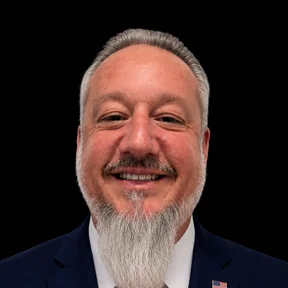
Acerca de Victor J. Rosario
Victor J. Rosario es el candidato de Residentes Primero a Alcalde del Condado de Miami-Dade 2028. Veterano de la Guardia Costera de EE. UU., empresario, tecnólogo y artista, Victor aporta un historial de construir soluciones reales — desde herramientas de IA hasta políticas de campaña — que sirven a los 2.8 millones de residentes de Miami-Dade.
Más información sobre Victor