Esta transmisión fue un seminario sobre lo que llamo neurocriptografía: proteger la mente humana en la era de la IA. Expliqué cómo la actividad cerebral se convierte en datos, cómo la IA transforma esos datos en predicciones sobre usted, y por qué la ley tiene que ponerse al día antes de que esta tecnología llegue a nuestros hogares, nuestros lugares de trabajo y nuestra política.
El pensamiento era privado porque nadie podía medirlo
Durante la mayor parte de la historia humana, el pensamiento fue privado por defecto porque era inaccesible. La cognición solo podía inferirse mediante el habla, la escritura o la conducta. Esa protección histórica no era legal. Era técnica. Simplemente no existía una forma escalable de medir el cerebro en funcionamiento.
Esa condición ya no se cumple. El cerebro humano es una red electroquímica de aproximadamente 86 mil millones de neuronas, y cuando poblaciones de neuronas se sincronizan, generan potenciales de campo que pueden detectarse fuera del cráneo mediante EEG. Métodos más invasivos, como la electrocorticografía y las matrices intracorticales, ofrecen un acceso de resolución aún mayor. La actividad neuronal interna ahora puede capturarse, digitalizarse, almacenarse, transmitirse y analizarse con sistemas de aprendizaje automático. Una vez que la cognición se convierte en datos, hereda todas las propiedades de los datos, incluidas la persistencia, la monetización y la vulnerabilidad.
Los datos neuronales no son una huella dactilar
Una huella dactilar lo identifica a usted. No estima su nivel de estrés. Un escaneo facial puede autenticarlo. No predice su carga cognitiva. Las señales neuronales pueden hacer ambas cosas al mismo tiempo: funcionan como identificadores y como predictores probabilísticos del estado mental. La investigación ha demostrado que a menudo se puede reidentificar a las personas a partir de sus firmas de EEG a lo largo de distintas sesiones, lo que significa que los patrones neuronales pueden actuar como marcadores biométricos estables.
Todo el mundo tiene un cerebro, pero todos los cerebros se activan de manera distinta y activan zonas diferentes. Dentro de cinco años, creo que estos algoritmos podrán identificar a las personas por cómo funcionan y transmiten sus neuronas. Y si se compromete, los datos neuronales no se pueden rotar fácilmente como una contraseña. Los datos recopilados hoy pueden permitir una inferencia más profunda mañana, porque los modelos siguen aprendiendo. A eso lo llamo riesgo de interpretabilidad futura.
Nueve etapas, y un riesgo de seguridad en cada una
Para entender la superficie de ataque, hay que mirar todo el flujo de los datos neuronales:
- Adquisición: los sensores capturan potenciales eléctricos analógicos o señales hemodinámicas.
- Amplificación y filtrado para eliminar el ruido, como artefactos musculares y movimiento ocular.
- Conversión de analógico a digital.
- Preprocesamiento y corrección de artefactos.
- Segmentación en ventanas de tiempo.
- Extracción de características: densidades espectrales de potencia, relaciones de fase, métricas de coherencia, estadísticas temporales.
- Mapeo de esas características en un espacio vectorial latente.
- Inferencia mediante modelos entrenados.
- Almacenamiento de los resultados o transmisión a sistemas posteriores.
Cada etapa presenta un riesgo distinto: manipulación del hardware en la adquisición, interceptación durante la transmisión, exfiltración de datos en el almacenamiento, manipulación en la inferencia, tergiversación en la salida. Eso exige defensa en profundidad en toda la pila, no un enfoque estrecho en el cifrado de archivos.
Residuo cognitivo y el problema de la persuasión
Muchos sistemas de neurotecnología de consumo graban de forma continua y en alta resolución por defecto, porque el almacenamiento es barato y el entrenamiento de modelos se beneficia de grandes conjuntos de datos. Pero los flujos continuos crean mapas de comportamiento a lo largo del tiempo, que revelan patrones de estrés, atención, fatiga y receptividad. Esos mapas se convierten en activos económicos en la publicidad, la suscripción de seguros, el análisis laboral y la persuasión política.
A esto lo llamo residuo cognitivo, como el residuo digital de la navegación web: señales neuronales pasivas recolectadas en segundo plano, que generan valor para los operadores sin que el usuario lo sepa. Piense en estar parado en una gran tienda de cadena, mirando un teléfono de $1,000, dudando. Ahora imagine un sistema que detecta esa duda y calcula el momento de la persuasión para que usted diga: “Sabe qué, me lo voy a llevar”. Detectar una convulsión en un entorno clínico es benévolo. Detectar la duda para optimizar una venta es explotación. Aquí es donde la ética tiene que acudir al rescate de todos.
Por eso la neurocriptografía no se trata solo de confidencialidad. Se trata de soberanía. Las personas deben conservar un control exigible sobre lo que se mide, lo que se infiere, lo que se retiene y quién puede acceder a ello. El consentimiento debe ser granular, limitado en el tiempo y revocable. El acceso debe quedar registrado. El uso secundario debe estar restringido.
Me han metido en estos sistemas contra mi voluntad, y esa es la razón por la que hago lo que hago. Para que todos sepan lo que está pasando, y para que usted también pueda hacer lo que tiene que hacer.
Hacia dónde va esto: contratación, salud, policía y política
La mayoría de los titulares sobre “leer la mente” están equivocados en su redacción, pero no en su trayectoria. La capacidad real no es la telepatía. Es la inferencia probabilística construida a partir de correlatos medibles, y a escala eso puede tener consecuencias igual de graves. Una vez que se puede traducir evidencia parcial en resultados plausibles, se pueden crear narrativas que parecen autorizadas, y en situaciones de alto riesgo se actúa según esas narrativas aunque sean falsas.
- Empleo: las entrevistas en línea ya graban sus ojos, su rostro, sus músculos. Hay modelos que dicen detectar si usted miente, dice la verdad o habla con ego, y los empleadores pueden decidir con base en eso.
- Salud: el cerebro será analizado desde adentro con EEG e interfaces cerebro-computadora, no solo desde afuera.
- Aplicación de la ley: imagine diez sospechosos entrevistados mientras duermen, y quien salga más cerca de lo que buscan los investigadores recibe la orden judicial y posiblemente cárcel.
- Política: aquí es donde se calienta el asunto. Los partidos políticos podrán manipular los resultados. Los demócratas lo usarán para alejar a la gente de los republicanos, y los republicanos harán lo mismo.
Hoy todavía se puede engañar a estos sistemas, porque no tienen los datos. Dentro de veinte o treinta años, eso cambia. Un modelo que confunda el estrés con engaño, la fatiga con desinterés o la ansiedad con hostilidad puede producir consecuencias reales en la contratación, la educación, la policía o la clasificación de pacientes en salud. Proteger la mente incluye evitar que los sistemas generen narrativas falsas que otros tratan como verdad.
El modelo se convierte en una máquina del tiempo
El campo avanza hacia el preentrenamiento a gran escala con conjuntos de datos neuronales diversos, y luego el ajuste fino para una persona o dispositivo específico. Dentro de quince o veinte años, una casa inteligente podría saber que Timmy se despertó a las 4:00 de la mañana y apagó la luz, porque cada cerebro en la casa está conectado de manera distinta y etiquetado. Todo está en pañales todavía, pero hacia allá va.
Esto crea dos problemas de gobernanza. Primero, la deriva del consentimiento: los datos recopilados para un propósito se reutilizan para el preentrenamiento general. Segundo, los modelos más grandes permiten nuevas inferencias que nunca se le informaron al sujeto. El modelo se convierte en una máquina del tiempo que extrae más significado de las mismas grabaciones del pasado, por lo que las reglas de privacidad deben regular el reprocesamiento, no solo la recolección. Y una vez que se fusionan las señales neuronales con el ritmo al teclear, los patrones de navegación, las señales de la cámara, los marcadores de estrés del micrófono y la ubicación, la privacidad mental se vuelve imposible a menos que límites estrictos de propósito impidan esa fusión entre dominios.
Pero ahora mismo no hay leyes. Esto es como el viejo oeste ahora mismo.
Su cerebro como llave: llaveros, cursores y transferencias bancarias
La decodificación de la intención traduce la actividad neuronal en señales de control para prótesis, vehículos, cursores y dispositivos. En lugar de un llavero, usted se acerca y el carro se abre y arranca. El llavero es su cerebro. Usted mira dónde quiere el cursor y allá va. El banco reconoce que Victor está aquí, usted dice que transfiera $100 de la cuenta corriente a la de ahorros, y listo. Pero si usted se queda dormido y alguien le pide transferir $500,000 y usted dice que sí, lo robaron mientras dormía.
Por eso las acciones de alto impacto necesitan verificación de la intención: confirmación en varios pasos, redundancia entre canales, bloqueos de seguridad. La persona debe seguir siendo la máxima autoridad sobre las acciones generadas a partir de sus señales neuronales. También voy a decir esto: a medida que los sistemas pasen a los robots y a la IA, la gente va a perder sus empleos. Dentro de veinte años, las llamadas telefónicas, el análisis y la traducción se automatizan.
El cifrado es la capa que hace cumplir, pero no es el final
La criptografía se convierte en la capa que hace cumplir la soberanía mental. Sin ella, los datos neuronales son simplemente otro flujo de datos vulnerable. Estándares simétricos como AES-256 y ChaCha20 son lo bastante eficientes para transmitir señales neuronales en tiempo real; las claves asimétricas manejan el intercambio seguro y las firmas. Pero el cifrado es tan fuerte como la gestión de sus claves. Las claves deben generarse con alta entropía, almacenarse en enclaves seguros o módulos de seguridad de hardware, rotarse y regirse por el mínimo privilegio y el acceso basado en roles. Los registros de auditoría deben anotar quién accedió a qué datos, con qué propósito declarado y bajo qué autorización. Sin registro, el cifrado se vuelve teatro en lugar de rendición de cuentas.
Lo que esto significa para los residentes de Miami-Dade
Durante siglos nadie podía entrar en su cerebro. Esa protección ya no existe, y hay que reconstruirla desde el diseño. Con base en lo que expuse en esta transmisión, esto es lo que defiendo:
- Leyes que tracen una línea clara para las corporaciones: usted opera de aquí a aquí, y si la cruza, tiene problemas.
- Consentimiento sobre los datos neuronales que sea granular, limitado en el tiempo y revocable. Si usted dice “no quiero esto”, ahí se acaba.
- Limitación de propósito y minimización de datos incorporadas en la arquitectura: nada de flujos sin procesar almacenados cuando solo se necesitan métricas agregadas, y modelos personales guardados en el dispositivo siempre que sea posible.
- Resultados decodificados tratados como señales de asistencia, nunca como prueba de intención ni como transcripción literal de pensamientos, con intervalos de confianza informados y el sistema obligado a abstenerse cuando baje la calidad de la señal.
- Una prohibición explícita de las decisiones automatizadas de alto riesgo basadas únicamente en la inferencia neuronal, con supervisión humana y un mecanismo de apelación.
- Auditorías obligatorias de terceros para cualquier modelo usado en salud, empleo, educación o aplicación de la ley.
- Una prohibición de reconvertir sistemas creados para ayudar a alguien a comunicarse en sistemas que midan obediencia, lealtad o riesgo.
La precisión no es la única medida. La seguridad, la privacidad y la preservación de los derechos son igualmente restricciones fundamentales de diseño. Ese es el estándar al que quiero que sometamos esta tecnología, y seguiré enseñándolo hasta que todos sepan lo que está pasando.
Transcripción completa de la transmisión
Transcrito automáticamente de la transmisión en vivo (7,606 palabras). Las marcas de tiempo abren el video en ese momento. Son posibles errores menores de transcripción.
0:00Welcome, welcome, welcome foundations or we're going to just do uh small uh seminar um with uh neuroctography. Um and we're going to the name of it is uh foundations of neural data and cognitive security. Okay. Uh neuro neuroctography securing the human mind in the age of AI. Uh, instructor Guilty T-Rex aka Victor J. Rosario. Hello. Hello. This is um we already established the scientific foundations required to understand why neurocrytography must exist as its own discipline. for most of human history thought was private by default because it was inaccessible. Cognition could only be in fear through speech, writing or behavior. That historical protection was not legal. It was technical.
There was simply no scalable way to measure the brain in operation. Today's that condition no longer holds. The human brain is an electro chemical network of approximately 86 billion neurons whose coordinating firing produces measurable electrical and metabolic metabolic partners. When populations of neurons synchronize, they generate field potentials that can be detected outside the skull using electron photography or EEG. Changes in blood oxygenation correlated with neuroactivation can be detected using functions functional near infrared spectrography.
More invasive methods of such electro cortography or entire cial arrays provide even higher resolution access to cortical dynamics. The key transformation is this internal neural activity can now be captured, digitized, process, sto store, transmitted transmitted and analyzed by machine learning systems, better known as artificial intelligence. Once cognition becomes data, it inherits every po property of data. copability, persistence, agriability, monetizability, and vulnerability.
3:06Neurodata differs from conventional biometrics in a fundamental way. A fingerprint identifies you. It does not estimates your stress level. A facial scan can authenticate you. It does not predict your cognitive workload. Neuros signals can simultaneously function as identifiers as probabilistic predictors of mental state. Research has demonstrated that individuals can often often be reidentified from EEG signatures across sessions, meaning neural patterns can act as stable biometric markers.
At the same time, the can in here. I'm going to talk about uh I'll explain this uh better um this dual property that D5 plus interference uh creates qualit qualitatively uh darren risk profile. If compromised neural data is not easily rotated like a Passover, its political roots may persist and moreover interpretively improve over time. Data collected today may yield deeper inference tomorrow. Um basically we are entering into an era that um a lot of people were thought that you know fingerprints will identify you. uh we have now phones they get facial recognition but this goes way deeper of that. Okay. Um inside of the data sets it can be identified the brain signals uh due to how the neurons uh connect and and work in in a brain. So um with five years from now uh these algorithms will be able to identify people uh due to their neurons how they work and how they transmit and how they work um in the system [snorts] and and as always you know it's data data that's that's one of the characteristics of data. Uh you can always go back to the data and find out uh analytically speaking uh we can uh in the future uh data will be able to um um identify patterns that XYZ individual has. We are we we have everybody has a brain but all dreams uh
6:02fire differently. uh and work differently. Activates different zones on the brains and and and this system uh that is currently being under um is being uh developed will have that in the future. Okay. So uh moreover let's see this introduced what we call future interpretability risk where art shift recording become progressively more revealing as model improve. Remember in artificial intelligence the models continue to um learn and learn and learn and we'll create patterns and we'll learn and learn and learn and when this happens we have a big problem which is called security. Uh we will talk about security later on. Okay. Uh to understand the attack surface we must examine the full neuro data pipeline. Stage one is acquisition sensor capture analog electric potentials. Um, hey, hello. How are you everybody?
Let me see here. Uh, let's see if I can put it over here. One second so I can find more information. Okay. All right, found it. Something's tight. Let's see here. All right. To understand the attack surface, we must examine the full narrow data pipeline. Stage one is acquisition sensor capture analog electrical potential of emodynamic signals. Uh stage two is amplification and filtering
9:01to remove noise. So such muscular art artifacts, eye movement, contamination and environmental interference. Stage three is analog to digital conversion transforming continuous signals into discrete samples. Stage four involves pro prep pre-processing and artifact correction. Stage five perform sectation into time windows. Stage six extract features power spectral densities face relationships coherent metric temporal statistics. Stage seven map this features into embedded with a uh lat Latin vector space. Stage eight performs inference using train models. Stage nine stores outputs or transmitting them to downstream systems. [snorts] Each stage present distinct security risk, hardware tampering at acquisition, [snorts] inter interception during transmission, data exfiltrations at storage, manipulations and inference, misreportation at output.
Nero cryptography therefore requires defense in depth across the entire stack rather than an arrow focus on file encryption. Um later on I am going to put some uh images that I have through through my research I have found uh and and just just like uh just like pictures of the brain in different colors like an infrared colors that uh emulates the activity inside of the brain. Um that's one of the images and then the the other images is just how the neural networks are working and changing in different um graphics that you're going to be able to see it on the different social medias. I cannot share screen uh here on Tik Tok but I will do my best to to to to show it and and and change the other side of the of the camera so everybody can see this. Okay. An additional structural issue is data minim minimization. Many consumers neurochnology systems default to continuous high resolution recording because storage is inexpensive and model training benefit from large data sets.
However, continuous streams create behavioral maps over time revealing patterns of stress, engagement, fatigue, and responsiveness. um which each uh behavior that the the person um and patterns uh that the person uh shows in in their data set. That's what makes
12:00uh each person unique in the data set and also identifiable. Okay. Uh with all these different data sets um behavioral maps become economic assets in advertising, insurance underwriting, employment analytics or polit political persuasion. The concept of cognitive exhaust analogous to digital exhaust in web browsing captures the idea that passive neural signals can be harvested in the background creating value for operators without explicit user awareness. Uh from governance standpoint collection must be purpose limited and minimized at the architectural level. If a device only requires aggregate metrics for feedback, it should not store raw streams. If on a device processing surfaces, centralized storage should be avoided. If embeddings are retained, they must be encrypted and access control is high sensitive artifacts. Uh we must also address cognitive uh asymmetry. Whenever one entity possesses persistence persistences of probabilic uh insight into another person mental state a power differential emerges that asymmetry can be benevolent such as detecting seizures on set on clinical context or exploitative such identifying hesitation before a person to optimize persuasion. Um here is when um all this technology can I've been saying they can be used into marketing. Here is me explaining how uh marketing can be uh utilized. uh show so when when the when a person has hesitation it's like they take something let's say you're in a big chain I'm not going to mention any chain and you take a oh wow this this phone but uh it's $1,000 this phone I think that and then persuasion comes in and then you say you know what I'm going to take it and you take it you see what I mean and that's when the persuasion success uccessfully uh was able to convince you uh to purchase um an an item and and this is where ethics has to come in to the rescue of everyone. Okay. Um the same technical capability use radically different outcomes depending on governance constraints. Therefore, neuroccrtography is not merely about confidiality. It is about sovereignity individual must retain enforcable controls over what is measured, what is
15:03inferior, what is retained and who can access it. Consent must be granular, time limited and very revokeable. Access must be logged, secondary use must be restricted. Without these controls, neurommeasurement risk toward extractive economics where internal states become commodities. Um I've been put into these systems against my will and that's the reason why I am doing what I am doing. So um so everybody knows uh what's going on. So so you can also uh do what you have to do. Finally, we con uh we're going to conclude this with structural uh synthesis. Noodle data is measurable, persistent, inferential, predictive, and monetizable. It is also securable, but not only is security is embedded from the outset.
The transition from private cognition to measurable signals marked a civilization inflection point. Historically, freedom of thought was protected by inaccessibility. Now, it must be protected by design. Neurocryptography is the discipline that converts the abstract principle of mental privacy into enforcable technical and governance mechanism. Encryption, key management, hardware trust, anchors, access control, audibility, and purpose limitation. With this foundation established, we are prepared to examine how artificial intelligence transform neuro signals into uh semantic and behavioral predictions and why that transformation amplifies both utility and risk. And we are are basically entering into for many centuries. Okay, nobody was able to enter into your brain and now the government has access to your brain and can't enter while you're asleep. Um, and how they do this with your phone.
Your brain connects to your phone and your bo and your phone transfer data and everything goes in and out in and out in and out in and out. Okay. Um AI decoding and semantic inference neurotography securing the human mind in the age of AI. Uh now we enter in the second part where the conversation shift from measurements to meaning. I want to start with a precision statement that matters academically and political.
Most mind readading headlines are wrong
18:02in wording it but not wrong in trajectory because the real capability is not magical telepathy but probabilistic interference built from measurable correlates and probabilistic in inference at scale can be just a consequential entity in machine learning terms. Neuro decoding is mapping from observed signals to Latin states and then to outputs where the outputs may be control command, a word distribution, an image representation, a class label stress or fatigue or predictive behavioral choice. What makes mother system powerful is not that they are perfectly recover a private inner narrative but that they learn stable statistical regularities in how brain responds to task stimuli and context and then exploit those regularities for prediction. The same architecture patterns appear repeatedly acquisition processing feature extractions encoder Latin space decoder and output model. The encoder compress highdimensional signals into representations that are easier to classify or generate from uh and the decoder transform those representations into human meaningful output often with additional language model layer that smooth corrects or complete sequences.
The ethical and security pivot is that once you can translate partial evidence into plausible outputs, you can create narrative that feel authorative. In high stakes settings, employment, healthcare, law enforcement, politics, plausible narrative can be acted upon even when they are wrong. Some neurator must be treated decoded outputs as hers or artifacts requiring province uncertainty reporting and restrictions on downstream use. Uh basically thinks that this technology will be used in the future.
Excuse me being up since early today. So for employment um since co people do um it's part of their requirements okay to you to to go to um to go to a interview here like this online. Okay. And when you are in an interview online, uh what happens is that your eyes get recorded every time that you ask questions, your movement of your face, your muscles, everything. And there's
21:00systems, models that can detect and know if you are lying, if you're being truthful, if you are talking with ego, if you are just things seeing things superficial. Um, and then they can based on what they are looking for in that job, they can say we want that person to work with us or we don't want that person to work with us. on health care. Uh these systems are going to be able to analyze uh the brain which um have not been analyzed only uh from the outside.
We're going to be analyzing it from the inside with uh with technologies and the EEGs and the BCIS etc etc etc. uh law enforcement. Uh let's say that you now are the suspect of a crime and they can um ask you questions to see if you committed that crime. If you committed that crime, they're going to come in and and knock at your door and take you for um for interrogation. So basically, let's say they have 10 subjects. they uh do an interview with those 10 subjects while they're asleep. Uh and whoever comes out close to what they're looking for, that's the person that they're going to execute a warrant and they're going to look for that person, going to take them to an interview and and and probably in jail. Okay. On politics, uh this is where everything start to to to get heated. um because political parties will be able to manipulate uh political outcomes. Uh the the the Democrats will use the system to sway and and and and make people not vote for Republicans and Republicans are going to do the same. So we are entering into uh a very very um technology that has the power of persuasion. Um if big brands and big chains can persuade you to buy XYZ products or a marketing could do could could it's like a new type of marketing. It's like a new it's a new it's a it's a new um business opportunities on different sectors on marketing, law enforcement, healthc care, politics, HR etc etc etc. Okay.
24:00To understand decoding at a graduate level, we also need to grasp why na neural data is small n and huge d. You often have limited label training data per person. But uh but the signal is high dimensional across channels, frequencies, time windows. [snorts] So remember this data is granular and depending what type of BCI do you have what type of controls of how many channels uh those are the different channels and different frequencies that you can be able to measure on the BCI and contextual uh coverages this drive a reliance on representation learning transfer learning and self-supervised learning in classic supervised decoding labels might be tasks like left hand versus right- hand imagery, stimulate categories like all the different stimulus they are able to do and known speech tokens and models learn discriminative boundaries in self-superv self-supervised settings. Motors models learn structure from unlabelled sequences building embeddings that later support many tasks with minimal labels.
Uh this is where foundation model things enter newer technology rather than training a new model from scratch for each task. Uh the field increasingly move toward large uh pre-training on a diverse neural data sets. uh then adapting with a fine-tuning for a specific subject device or application. So based on all these data sets uh and all these uh labels uh we will be able to develop technologies for example um in order for me to turn off that light in my brain something is going to tick.
So based on those tickings I can design an external application that takes those tickings and when those tickings happen that lights turns on and turns off. Does that make sense? All right. All right. That makes sense. Um so instead of training new models, it will just continue to learn and learn and learn from those data sets and labels and minimal labels. And remember um because each brain behave ne differently there's six millions neurons transmitting electricity inside of the brain approximately and due to all these factors is will be able to the the systems and the training models and the AI models will be able to identify patterns and who is the person.
So from a security standpoint um let's say that you are let's see how
27:02can okay let's say that you have a smart home okay and in the heart smartome in the security system we're talking about 15 20 years from now um dad and mom are the administrators of that home and then you have little cubs at least two kids. Each each each brain will is wired differently. And due to the labels and the security systems, we can say Timmy woke up at 4:00 in the morning and he was the one that turned off the light. See? So, so all these systems are going to be uh all these data sets are the ones that are going to be able to create all these different um data that security systems will be able to uh interpret and say, well, dad woke up and turn open the the fridge and left the fridge open. or mom went to the patio and did not close the door. All these security systems will be able to um provide an specific uh data set of of of why because import at what time all will be labeled but all this is just uh on diapers but eventually due to all this um this is what's going to happen down the road. Um but this creates uh two governance problems immediately. First training or poor account includes sensitive data and consent drift where data collected for one purpose is repurposes for general pre-training. Second large retrain uh representations can enable new inferences that were never disclosed to subjects. Meaning that technical capabilities expansions becomes a privacy expansion even if the data set is unchanged. In other words, the model becomes a time machine that extracts more meaning from the same past recordings and neurop privacy framework must regulate not only collection but also reprocessing of a model evolution. So um earlier like we discussed that uh people need to have um the ability to say how long this data can stay when on off when you don't want it. So this is going to be uh very uh evolution and and new uh technologies will be developed behind all these principles. uh and that's where uh a lot of business opportunities will come from all these
30:02technologies emerging technologies that will be able to create security that they will be able to create new systems that they will be able to um to to to to provide a better connected world and new um systems. They are not we cannot see them yet. Okay. But they're coming. Okay. Now I want to uh want to clear uh tax text taxonomy that helps you predict how these systems behave. We can categorize decoding models by the structure of the data. Uh convolutional networks for spatial and channel patterns. Recurrent architecture for temporal dependencies. transformers for long range sequence modeling and hybrid systems that fuse multiple approaches. CNN's uh appear because of the EEGs and similar signals can be arranged in spatial layouts that capture electro adjacency and local correlations. Uh skin and filters can learn frequency selected patterns and robust features on their noise. uh RNNs and LSTMs historically model of time series dynamic and sequential dependencies but the struggle with long context and parallelization. Transformers address that with attention mechanism that compute relationship across time windows which become crucial when meaning depends on longer range context such as sustain attention patterns or multi-stage tax executions.
So basically we already have talked about the EEGs and the RRns and the LSTMs in our past video. If you want to know more go to the channel and go to the past um um lecture so you like get more information about the EEGs RNS and the CNN's. Okay. Uh hybrid pipelines often include temporal covion layers uh attention blocks and pulling mechanisms the output and beating robots uh through sampling irregularities on the systems. Multimodel models uh incorporate incorporate auxiliary stream such as eyes guys gaze uh heart rate variability or interaction telemetry to solve ambiguity. The risk consequences is that architectures improve across context integration. They can infer states in passive conditions, meaning users do not need to intentional control a BCI for the system to infer connective state.
showed the line between assistive interface and continuous manner surveillance become generally thin unless explicit design and constraint prevent passive interference and enforce
33:06strict active intent triggers. So um right now the way that these systems are being run um our models there are constantly learning. They are more into harvesting um um information so technologies can be developed. Okay. So we are like in the in the in the face of harvesting data. Okay. Harvesting data is very important for all the models to work because all these harvesting data models are going to be able to learn right and if models are learning then everything will be more predictable and everything is going to be more precise.
So later on when systems are built they have to be um The design has to be explicit in the architecture and everything so they cannot cross the line. You see? So, so that's when the law comes and and and and start creating laws that would not allow corporations to, hey, you got from here until here. If you pass that, you're in problem, you know. But right now there's no laws. This is like the Y wild west right now. Okay.
[laughter] Now let's focus on semactic decoding because if introduce generative modeling not just classification instead of predicting a label like yes or no. Okay left or right. Uh the system predicts sequences, words, phenomenons or highle semantic tokens. A generative models are rewarded for producing uh plausible continuence even when input evidence is incomplete. A common pattern is to produce an intermediate representation for neural signals that map into a language model uh a talking space letting the language model supply grammar continuity natural facings that improve readability and user experience.
But it also increases the risk of semantic hallucination where the output becomes more coherent than the evidence supports and then um the hallucination eventually. So these hallucinations uh with more data okay uh systems will mitigate the hallucination due to more data of persons. So uh a security system would need to learn
36:01once that you're inputed into your security system for example that security system needs to kind of learn from you but once that he learns from you that's it you know you're in that security system and you are enclosed in that security system and in your home but if you go to work those security system will have more data sets and more people and those are going to be more um energy consumption and they will have more memory consumption because they will have to be working more to identify who from the authorized users and list who's going to be able to access and who's not going to be not be able to to access. Okay.
Um a common pattern is to produce an intermediate representation for neuros then map it into language models token space letting the language models grammar continuity and narrow facing that improves readability in a user experience but it also increase the risk of semantic hallucination where the output becomes more coherence than the evidence supports. The correct engineering response is not a bad language model but to constrain them incorporate calibrated uncertainty force the system to expose confidence intervals and force abstained behaviors when signal quality drops and separate assisted competition from uncertainty attributions meaning that the system must never present an infer comp completion as a literal transcript of inner thoughts. Okay.
In legal employment context, a federal rule is needed to decode output should be treated as assistive interfer signals. Not evidentiary statements about intent and the system should preserve raw and intermediate audit trails. So an independent reviewer can evalate whether our output was driven by neuro evidence or by language or by prior language. Okay. [snorts] Errors in neural decoding is not random. It is structure and structure error can be exploited or mistaken for truth.
Motor can latch into confounds such as muscle artifacts, eye movements or device drift mistaking them for cognition. They can learn shortcut correlation in experimental settings that don't generalize to real life. They can exhibit distribution shift when the subject is tired, stressed, medicated, uh on drugs, drunk or a new environment that can degrade when electro placement changed solidly which in common in consuables. Okay, so we will have uh new wearables uh that they're starting to come out. you know when you go to sleep those
39:01wearables are taking all your data when you have your your watch okay they're wearables um that is why robust decoding requires calibration drift detections and continuous validation and it also explain why government more governance must consider harm from wrong interference in inferences a model that Mclassify stress as deception, fatigue as disengagement or anxiety as hostility can provide uh real uh real world consequences if integrated into hiring, education, polyine or u health triage.
Okay. So this is when uh all these systems they need to like learn more and more. So uh the hallucination is very minimal. So everything can be precise. Uh it's impossible right now to for education policy or healthcare triage to rely 100% on these systems. Uh one way to to explain this for everybody can understand it. Um people rely on technologies like uh your cell phone right here. People rely on a cell phone. Uh people rely on a desktop in the computer. People rely on a laptop. Uh these systems are going to be like that. People will rely on them. Okay. Uh from corporations to to people.
Okay. But again all these systems and all these technologies are in diapers right now. with a lot of um accelerators in in in some sectors that will take advantage from simple uh data sets and they will be able to utilize and get models and get things running and and they will like as they get customers they will get more data and eventually things are going to get better. It's like a learning curve you know what I mean? Um uh neuro cryptographic threat models must include integrity and misrepresentation uh risk not only confidentiality risk.
Protecting the mind includes preventing system for generating false narratives that others treat as truth. Okay. So basically um you can lie on these systems. Okay. You can you can you can fool the systems uh right now because they they they they don't have the the data. So bas in your interpretation and babysit what you say you can fool the systems now but in 20 um 30 years from now will be possible when we have more
42:02technologies that will be able to mitigate and and and look um the different risk associated with these data sets. Okay. Um protecting the mind includes uh preventing system for generating false narrative that other treats as truth. In practice this implies mandatory reporting of accur accuracy boundaries, explicit prohibition of high stakes automated decisions from neural inference alone and requirements for human oversight and appeal mechanism. Decoding is often personalized and personalization creates a privacy trade-off. Models that adapt to an individual can become extremely effective. Like I was talking earlier, um you eventually you will purchase a system that um let's think uh security system uh right now. If you the the ways that you can enter a property is either with a key either a password uh someone sending a signal to the door and then you can pull or a card is all this is data but right in there. uh eventually eventually when you get to your home like ADT will have a system that that there's a model that identifies you. So they could come 100 people and get in the in the front door, but when you get into that front door, the door opens. Does that make sense? So this is all these kind of things. And with that with that idea, if you're smart, you can just figure it out a lot of things that will continue to change and happen. Okay, decoding uh models that adapt to an individual can become extremely effective. Um but they must store individualized parameters in beating calibration profiles or fine-tuning data that function as high value identities artifacts. Personalized neurode decoders may learn stable cognitive signature that capture how a particular brain expresss intention and those signatures can be used for authentication, continuous identification or reidentification across data sets even when names are moved. So another way like Apple will have a system that will it not right now it's like facial recognition right you know facial or or or Google have keys in the future all these models and all these systems is going to be with your thought okay this is Victor doesn't have to take your your
45:00your your your picture anymore will he have your your frequency and we know he's Victor it's not someone Um personalized neural decoders may learn stable cognitive signature that capture how particular brain expresss intention and those signature can be used for authentication identification or reidentifications across data sets even when names are removed. This creates a paradox. Personalization improves accessibility and assistive performance but it increase the risk that a person's become permanently permanently linkable across contexts. A strong privacy architecture resolved this by minimizing central storage of personalization artifacts, keeping personal models on device where possible encrypting and access controlling and historic calibration separating them. Um identifying from models parameters and limiting portability of neuro signals, neural signatures so they cannot be used as universal identifiers. policies should also prohibit repurposing personalized decoders for surveillance functions. A system built to help a user communicate should not quietly becomes a system that measures compliance, loyalty or risk.
uh and that's like uh [snorts] HR uh government um when naturalization etc etc it will measure you know this person is compliant as a loyal person or is a risk you know if you're a risk by multimodel fusion is where inference becomes industrial once you be combine neuros signals with behavioral telemetry typing cadence browsing patterns camera based attention cues microphone derived stress markers locations and social interaction graph you create a composite systems that can infer internal states with higher realability even each channel is weak from a machine learning standpoint multimodal systems exploit complimentary information and reduce uncertainty by conditioning on context from a privacy standpoint. They collapse the boundaries between internal and external behavior making mental privacy impossible unless strict purpose limitations prevent cross domain fusions. Uh the government's implications is that new privacy cannot be drafted as a narrow brain data only rule. It must cover derived inferences across model
48:03combinations because harms arises from what the system can conclude not only from what explicites record. Therefore, neuroctography policy must regul mental state in inference as protected activity if [snorts] assistant purpose if the estimate attention emotion intent or cognitive impairment purpose must be declared consent to limited outditable and revocable uh regardless of whatever the inference was produced from the EEJ camera or fusion of both. Okay. Again, revocable. That's those are the the the things that we need to uh work on your privacy.
The ability of you and me have revocable. They say I don't want this. So that's the end of it. You know, right now uh that's not happening. But um one way to say this is is very simple. Um if you see the doctor that is doing this to you, there's a way to do a revocable. Uh you did not disconnect me, then there will be a way for for eventually they will catch the drift eventually. Okay.
uh neurode decoding models are also attack surfaces. They can be subjected to a model inversions attacks that reconstruct aspect of the training data. Membership inferences attacks that determine whether an individual data was included in training and attribute inferences attack that deduce sensitive labels about a person from models output or embeddings. These attacks matter because neurode decoding increasingly use large pre-trained data sets and share infrastructure creating conditions where training data exposure could scale and because neurodata is highly identifying even partial reconstruction can be catastrophic. Mitigation include differential privacy in training secure aggregation in federated layering, careful output throttling to prevent other informative probability distributions and access controls that limit who can query models at high resolution. But governments governance must enforce this mitigations because incentives often push toward maximum accuracy and maximum insight. A neuro cryptography program therefore treats AI safety and cyber security as one topic. It demands formal privacy guarantees where possible releasing overly detailed probability distributions in sensitive context.
51:02um requires evaluations against known inference attacks and mandate third-party audits for models used in healthcare, employment, education or law enforcement. We must also discuss agency decoding translating neuroactivity into control signals for devices, vehicles, corsors or prosthetics where the system out becomes physically action. So on prosthe on prosthetic on prosthetics uh right now prosthetics work you know you move like this like on a prosthetic you move your your arm or your limb that you have and and and it sends signals. Also, prosthetics work with um um uh electrodes that you're they're connected to muscles and then you move your head and yeah this you know you go like this eventually um it's going to work the signal is going to come from your mind says I want to grab the phone okay I want to grab the cup uh for vehicles Um, instead of using your fob or your key, I'm here. Opens the door. Click starts. Let's go.
The fob is your brain. Okay. No more fobs. Um, coursers like in your computer, you just look where you want the corser to be and you put the the the period with your head. You know, you don't even have to use your keyboard anymore. uh you can just whatever you're thinking is just that's what is going to be running on the computer. Okay. So um these systems that they're going to u advance um technologies and all these systems are going to be uh put on robots, artificial intelligence and things are going to people are going to lose their jobs. You know eventually 20 years from now things are going to get automated. We will not need the human intervention to do the job to to phone calls uh to move the cursor to do u an analysis on on a court or translating um all these jobs are going to be obsolete because the artificial intelligence models will be able to correct and do everything. uh by themselves. Uh here the stakes are not only privacy but safety adversarial interference, mclassification or model drift can cause actions. The secure design principle is command authenticity and in intent verification. The system should require deliberately confirmable intense signals therefore executing high impact actions using
54:07multi-step confirmation redundancy across channels and safety interlocks. This parallel secures transaction design in finance where high value transfer require additional verification in neuroch high impact action should require confirmatory gesture dual dual time thresholds or continuous uh contextual locks. There are neuro signal systems that autocomp completes actions without reliable intent confirmation risk uh becoming coercive or dangerous especially if deploying context where users are pressured to perform or where mistakes are punished. Um this is where banking and securities of portfolios um they have to create uh new architectures and new systems. For example, uh let's say that you connect to your computer. Computer opens. Instead of putting your username and password like you normally do, click on the G or click on the Apple. You don't have to do that. You just going to go directly. The assistant will identify you and stuff like that. But if you go to sleep, okay, uh you can somebody can come in and and and and and while you're asleep ask you to transfer uh $500,000 and you say yes and then when you wake up, where's the $500,000?
You got robbed while you were asleep. Okay. So, uh these are these are systems that that they have to be um created properly and and this is going to be a big mess. Okay. Uh for technology uh companies, neuroch companies uh with neuro cryptography. Um so so so systems have to be created and and and and It's going to be very interesting to see the the transformation of this all these technologies how the architecture and how how things are going to be uh programmed so they can work uh correctly. You know what I mean? So right now if you want to transfer from um let's see an idea. Oh, [gasps] you want to transfer from your checking account to your savings account or money order account, you need to now uh either go to ATM or you have to go to your bank, put your username, put your password.
Um, if you have uh extra security layers, you select if you want to get a text, you get a text, you put the code and this gets every time you get to the bank like you like, god damn, you know, so eventually the system is going to know that Victor
57:04is here like where you want now? Uh, I want to transfer $100 from my check to my savings. Boom. already done. Don't need to go nowhere. Does that make sense? That's so like this is what is going to happen next. Okay. Then in the future and this these systems will have to be have a lot of security that will not allow and will protect brains. Uh so uh information or keys are not used uh for for for this these type of things you know deployments. Uh the ethical this spiral secures transaction design in finance where high value transfer require additional verification and neuroche high impact action should require confirmation gesture dual times thresholds or contextual slots. Uh, basically the dual time threshold is like you get a text that says yes or no. Did you transfer $500,000, you know? So, you were asleep, you know, like you wake up like no, I didn't I didn't No, I did not transfer like now we need to find out who did that. You see um um the ethical analog in the person must remain the ultimate authority over actions generated from their neuro signals. A system that autocompletes actions without reliable intent confirm risk becoming uh coercive or dangerous especially if it's deployed in context where users are pressured to perform or where mistake I punish. So like for example um right now if somebody wants to rob you uh they have a gun or they have something and then they take you to the bank and then you have to take your card and stuff like that. Remember now you fast forward 20 years from now you're not going to have that. So somebody can uh pressure you and then when the system detects that you've been pressured it means that something is not right. the police gets called right in there and and and and that person can be secure.
Okay. So, all these technologies are going to be really interesting to develop uh all these systems and and and and say when this happens, this is going to happen. When this happens, this is what's going to happen. and the programming of of and the sequences of what's going to happen in their architecture and and the directives of on the systems are going to be very very very uh
1:00:00very cool to see in the future. Um and also artificial intelligence will be able to design and do this too as well. Okay. Um neuro decoding is not an insulated algorithm. It is an inference engine in beat in sociote techchnical systems where incentives um authority and retention determine harm if a workplace can measure attention and punish low scores. Predictions becomes discipline if an insurer can infer depression risk and adjust premiums. P pre prediction become discrimination if a political platform can infer susceptibility or tailor persuasion. Predictions become manipulation. And if a legal authority can compel inference, predictions become coercion. Therefore, neurotography at the AI layer must specify governance constraints above the model. explicit limits on permissible interferences at strict bans on certain high stakes uses without due process. Uh requirements that output include uncertainty on province prohibition on trading decoded context as little thoughts transcript and constraints on retention and secondary use of embedding and training data accuracy is not the only metric.
Safety, privacy and right preservation are equally fundamental design constraints and the best systems are those achieve assist benefit while minimizing inference scope exposure surface and downstream misuse. All right. So, okay. Okay. Okay. Okay. I'm here. on here. Hello, hello, hello. Um, welcome, welcome everybody at Tik Tok and YouTube. Uh, X
1:03:02uh trouble everywhere. We're we're transmitting right now. this uh Twitch, YouTube, Tik Tok, Kick X Trouble. Thank you for being here. Are we ready for more? Of course, we're ready for more. Here we go. So, this is good. Okay. So now we're going to talk about uh cryptography and secure neurocomputing. So in the first two subjects that we talked earlier, we established that the brains is measurable and we established that the AI can transport measurements into prediction.
Now we're going to answer the critical questions. How do we technically enforce uh cognitive privacy once neural data enters digital systems? Okay. Once did the data enter into phone or a laptop. Okay. Or a server. Um the answer begins with cryptography. But it does not end there. Cryptography is the mathematical discipline that enable confid, integrity, and authenticity in hostile environments. is allow two parties to communicate securely even if the adversary can observe or interpret the channels in neuro technology. Uh cryptography becomes the enforcement layer for mental sovereignty without it. Neuro data is simply another vulnerable uh data stream. We begin with encryption fundamentals.
uh symmetric encryptions uses the same secret to encrypt and decrypt data. Modern standards such as AS 256 and Cha 20 are computationally efficient and suitable for streaming neuro signals in real time. Okay. So this is the the the the encryption that is currently being used. A 256 and Chasha 20 are
1:06:02completionally efficient and suitable for streaming neuro signals in real time. A symmetric encryption uses a public key for encryption and the private key for decryption. So one side have one key and the other side has the other key. Um if you don't have this we cannot talk. If you have this we can talk. Okay? Does that make sense? That makes sense. Uh enabling secure key exchange and digital signatures. In practice, secure neural systems use hybrid schemes as symmetric cryptography establishes a secure session that um that symmetric cryptography to protects the high volume data stream. However, encryption is only as strong as management. Keys must be generated with a high enthropy store securely rotated periodically and protected for unauthorized access. If encryption keys are exposed, the strongest algorithms can collapse into plain text. Um key management therefore becomes the central operational challenge. hardware backet key storage as secure enclaves or hardware security modules prevent extractions even if the operation system is compromised. Last privilege principles ensure that only authorized process can access decryption capabilities. Role bases access control restricts who can view row neurode streams versus derived metrics. uh outdate logs must record key uses events including who access which data for what declared purpose and under what authorization without login encryption become uh theater rather than accountability. So basically with all these keys it was going to see like who's the admin who have access to this set of data who cannot have access to the whole system. You can have one key but you don't have access to everything you are like the credential part of the systems eventually is going to be like that. Okay.
Um key management therefore becomes the central operational channel.
Descripción original de la transmisión
El Condado de Miami-Dade no es un campo de pruebas, y nuestros residentes no son una fuente de ingresos para corporaciones de afuera. Bajo mi administración, las operaciones de vehículos sin conductor en las carreteras del Condado de Miami-Dade quedarán totalmente prohibidas para las corporaciones privadas — 100%. Eso significa: sin alianzas, sin reparto de ingresos, sin operadores terceros y sin licencias que intenten “legalizar” una toma de control corporativa. NO ES NO. Esto no es contra la tecnología — es a favor del residente. La innovación debe construir prosperidad local, proteger los empleos locales y mantener el control en manos de quienes viven aquí. Declaración completa + detalles de la política: #UnleashingMiamiDadeCounty #VictorImpactWrench #AllSystemsOnline #TeamVictor
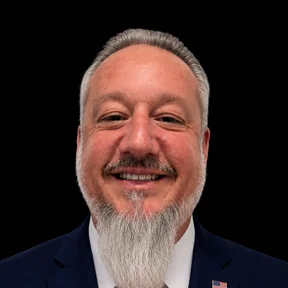
Acerca de Victor J. Rosario
Victor J. Rosario es el candidato de Residentes Primero a Alcalde del Condado de Miami-Dade 2028. Veterano de la Guardia Costera de EE. UU., empresario, tecnólogo y artista, Victor aporta un historial de construir soluciones reales — desde herramientas de IA hasta políticas de campaña — que sirven a los 2.8 millones de residentes de Miami-Dade.
Más información sobre Victor