
By Victor J. Rosario, candidate for Miami-Dade County Mayor · June 22, 2026
Miami-Dade County has spent decades serving as one of the most recognizable gateways in the United States, yet too many residents still watch the wealth created by our tourism, airport traffic, conventions, cruise activity, nightlife, and hospitality economy leave the county instead of strengthening the people who live here. We are a destination. We are a brand. We are a global entry point. We are an economic engine. But for too long, the structure surrounding that economic engine has allowed too many outside entities to capture the upside while residents deal with traffic, rising rents, rising insurance, rising costs of living, and the daily pressure of trying to survive in one of the most expensive regions in Florida. That imbalance is exactly why I am putting forward the Miami-Dade No Empty Seats Airlines Corporation concept under my future administration.
This initiative is not about making noise with a flashy airline name and pretending that an airplane by itself solves anything. That is not serious leadership. Serious leadership means understanding how a county economy actually works. Serious leadership means understanding that aviation, hotels, local transportation, cruise connections, tourism demand, conventions, events, staffing, technology, and artificial intelligence are all part of one larger system. When that system is fragmented, outside companies win and residents get crumbs. When that system is coordinated intelligently, the county can create stronger jobs, better traffic planning, more stable tourism flows, more demand for local business, and a larger share of the economic value staying here in Miami-Dade County.
The idea behind No Empty Seats is simple for the public to understand and powerful enough to reshape the way the county thinks about inbound tourism. Right now, traditional airlines publish flights, hope people buy enough tickets, and then fill whatever seats they can through pricing pressure, last-minute demand, or network effects. That is their model. My model starts from the opposite direction. Under the No Empty Seats concept, the county-centered system would focus on demand first, package first, coordination first, and economic retention first. Instead of merely selling a plane ticket and hoping the rest of the trip somehow falls into place, the county-centered structure would build and move a full Miami-Dade experience: flight, local transportation, hotel occupancy, event participation, cruise connection, nightlife access, business travel coordination, and tourism spending inside a unified economic strategy designed to benefit this county.
That matters because an airline ticket by itself is one transaction. A coordinated inbound visitor is an entire chain of transactions. A person flying into Miami-Dade may fill a hotel room, take rides, eat in restaurants, attend events, shop locally, tip workers, create work for staff, create demand for maintenance, create airport volume, support local operations, and generate tax activity across multiple sectors. The problem with the old model is that much of that activity is disconnected and controlled by outside platforms. The opportunity under a resident-first administration is to design a model that captures more of that chain and makes it work in favor of the people who live here.
When I say Miami-Dade No Empty Seats Airlines Corporation, I want residents to understand clearly that this is bigger than an airline. This is an aviation and tourism infrastructure strategy. This is about controlling more of the inbound flow into our county instead of leaving the entire structure fragmented between airlines, booking platforms, rideshare companies, outside hospitality interests, and disconnected mobility services. Miami-Dade County already has one of the strongest starting positions in the country to think at this level. We have Miami International Airport. We have a globally recognized tourism identity. We have cruise traffic. We have beaches. We have nightlife. We have hospitality. We have conventions. We have the geography, the climate, the international draw, and the local workforce. What we have lacked is a resident-first operating vision powerful enough to connect those assets into one system.
Under my future administration, No Empty Seats would be developed as a disciplined concept, not a reckless stunt. That distinction is important. I am not proposing that Miami-Dade County wakes up on day one and blindly starts buying aircraft with no planning, no compliance structure, no route discipline, and no operational logic. That would be irresponsible. What I am saying is that the county should create a serious framework to build a demand-led inbound aviation and tourism corporation that uses phased growth, lawful operating structures, strong partner discipline where needed, and modern technology to prove routes, prove demand, prove package performance, and prove the model before the county takes on heavier fixed commitments. That is how real systems are built. You do not improvise a major operating model. You architect it.
The phrase “No Empty Seats” is not just branding. It expresses the philosophy of the initiative. My administration would focus on building inbound demand intentionally. That means identifying the cities that send the most stable and profitable travel into Miami-Dade County, understanding their travel patterns, bundling the right hotel and mobility offers, aligning travel windows with conventions, events, nightlife, cruise schedules, and seasonal demand, and using data and artificial intelligence to plan smarter instead of relying on outdated, disconnected transportation habits. If a county-centered corporation can sell the destination properly, coordinate the logistics properly, and build a better traveler pathway into Miami-Dade County, then each arriving plane stops being just a flight and becomes a delivery system for economic activity.
This matters for residents because a county economy cannot rely only on abstract headlines and ribbon cuttings. Residents need structures that create repeat business, repeat traffic, repeat employment, and repeat revenue opportunity. The hospitality and travel sector is one of the biggest economic realities in Miami-Dade County whether people like it or not. The county is already living from the consequences of tourism. The question is whether the people of this county will finally begin to benefit from a smarter model that captures more of the value, or whether we will continue allowing outside interests to take the cream while locals deal with the congestion, cost, and pressure. My answer is clear: under my administration, Miami-Dade County should begin building systems that convert our location, our brand, and our travel demand into resident-first economic strength.
The No Empty Seats concept also fits directly into a broader modernization strategy for Miami-Dade County. The future of transportation is not going to look like the past. Artificial intelligence is already changing route forecasting, staffing, pricing, capacity planning, customer support, tourism targeting, and logistics coordination. Ground transportation is evolving. Hospitality operations are becoming more data-driven. Airports are being pushed to modernize. Mobility systems are converging. Counties that continue thinking in isolated silos will lose advantage. Counties that integrate aviation, hospitality, technology, and local transportation into one coordinated strategy will be stronger. Miami-Dade County should be one of those stronger counties, not a passive spectator while others build the next-generation model around us.
One of the biggest strengths of the No Empty Seats vision is that it can be designed around real local integration. Under a future Victor J. Rosario administration, inbound travelers should not simply land and be handed off into a random disconnected system. They should move through a coordinated local chain. That means the flight should connect to the stay. The stay should connect to local transportation. Local transportation should connect to the activity. The activity should connect to spending in Miami-Dade County. That is how a serious destination economy is structured. If the county is going to live with the impact of high inbound traffic, then the county should also become far more intentional about how that traffic is monetized and directed.
This is also where the concept becomes meaningful for workers, not just visitors. Residents should see this initiative for what it can create in terms of jobs and business demand. A stronger tourism pipeline creates work for hotel staff, transportation operators, dispatchers, maintenance crews, customer service teams, logistics planners, event support teams, software developers, cybersecurity professionals, operations analysts, hospitality managers, airport support functions, cleaning crews, food and beverage workers, and many other sectors that support a modern travel ecosystem. This is why I reject the small-minded approach to policy. Too many people hear the word “airline” and think only about airplanes. That is not how I think. I think in systems. A plane seat is connected to a room. A room is connected to local transportation. Local transportation is connected to work. Work is connected to income. Income is connected to resident stability. That is how a real executive should think about county development.
The initiative also gives Miami-Dade County an opportunity to reclaim strategic control over how tourism enters and circulates through the county. Today, too much of the tourism economy is at the mercy of outside algorithms, outside booking platforms, outside transportation companies, and outside commercial interests whose loyalty is not to the residents of Miami-Dade County. My future administration will be focused on the opposite principle. We should build county-aligned systems wherever lawful, practical, and economically sound so that our residents are not always last in line for the benefits created by the county’s own economic geography. If Miami-Dade County is the destination, then Miami-Dade County should build stronger mechanisms to benefit from being the destination.
Residents should also understand that this initiative fits within a broader vision of integrated county growth. I do not believe in scattered ideas thrown around for headlines. I believe in connected structures. Transportation should connect with hospitality. Hospitality should connect with technology. Technology should connect with operations. Operations should connect with resident benefit. That is how Miami-Dade County becomes more than a place people visit. That is how Miami-Dade County becomes a place that intelligently manages the value generated by its own location and global relevance. No Empty Seats is one part of that future. It is a powerful part, because it speaks directly to how people physically arrive, move, spend, and experience this county.
The phrase resident-first must mean something in practice. Under my future administration, it will. A resident-first county does not sit back while economic pipelines remain controlled by fragmented outside systems. A resident-first county begins to build its own strategy, its own standards, its own operating logic, and its own long-term advantage. That does not mean reckless expansion. It means disciplined, lawful, phased execution. It means testing what works, proving demand, building the right partnerships where necessary, using technology intelligently, and always asking the most important question: how does this strengthen the people of Miami-Dade County? That question must be at the center of every serious initiative, and it is at the center of this one.
There is also a deeper truth here that residents already understand intuitively. Miami-Dade County does not have a tourism problem. Miami-Dade County has a capture problem. The visitors come. The planes come. The cruise passengers come. The events come. The hotel demand comes. The nightlife comes. The conventions come. The spending potential comes. What has been missing is a stronger local strategy for making sure more of that activity is structured in a way that feeds local strength. No Empty Seats is about solving that capture problem. It is about designing a better front end to the tourism economy so that more of the value created by travel to Miami-Dade County is intentionally routed through a resident-first framework.
This is why I want residents to take this concept seriously. It is not fantasy. It is not noise. It is not another politician repeating generic words about jobs and growth without any actual operating model behind them. It is a serious strategic concept rooted in the reality that Miami-Dade County already sits on top of an enormous travel economy and should start behaving like a county that understands how to leverage it. A county that thinks bigger can build bigger. A county that coordinates smarter can earn smarter. A county that integrates aviation, tourism, local transportation, artificial intelligence, and hospitality into one strategy can create stronger outcomes than a county that leaves all of those functions disconnected.
Under my future administration, the Miami-Dade No Empty Seats Airlines Corporation concept will stand for disciplined innovation, stronger tourism capture, local economic coordination, and a serious resident-first aviation vision. It will represent a county that is no longer content with being merely a place where outsiders do business while residents absorb the cost. It will represent a county willing to build the next layer of its own economic architecture. It will represent a county that understands that transportation is not only about movement. Transportation is about power, value, control, access, labor, and the flow of money. If you control more of the flow intelligently, you create more opportunity for your people.
Miami-Dade County deserves leadership that thinks ahead, builds systems, and protects the economic future of its residents. No Empty Seats is exactly that kind of idea. It is a modern concept for a modern county. It is an economic vision tied to aviation, hospitality, technology, and execution. It is about filling more than seats. It is about filling hotel rooms, filling work shifts, filling business pipelines, filling economic gaps, and filling the future of this county with stronger local opportunity. That is how I see Miami-Dade County. That is how I intend to govern it. And that is why this initiative belongs inside the larger resident-first future I am building for the people of this county.
Victor J Rosario aka Guilty Trex Future Mayor Of Miami dade county
DRAFT EXECUTIVE ORDER NO. 2028-XX
ESTABLISHING THE MIAMI-DADE NO EMPTY SEATS AIRLINES CORPORATION INITIATIVE; CREATING A RESIDENT-FIRST INBOUND AVIATION, TOURISM, HOSPITALITY, AND MOBILITY FRAMEWORK FOR MIAMI-DADE COUNTY; DIRECTING FEASIBILITY, IMPLEMENTATION, WORKFORCE, PROCUREMENT, TECHNOLOGY, AND PERFORMANCE PLANNING; PRIORITIZING COUNTY BENEFIT OVER SHAREHOLDER EXTRACTION; SUPPORTING QUALIFIED DISPLACED AVIATION WORKERS, INCLUDING DISPLACED SPIRIT EMPLOYEES; AND PROVIDING FOR ADMINISTRATION, REPORTING, SEVERABILITY, AND AN EFFECTIVE DATE
WHEREAS, Miami-Dade County is one of the most strategically important aviation, tourism, and hospitality gateways in the United States of America, with extraordinary value generated through airport arrivals, cruise activity, business travel, hotel demand, nightlife, convention traffic, destination tourism, food and beverage activity, and supporting transportation systems; and
WHEREAS, the County’s geographic position, year-round travel appeal, globally recognized destination profile, international connectivity, hospitality footprint, and transportation infrastructure give Miami-Dade County an economic advantage that few jurisdictions in the nation possess; and
WHEREAS, despite that advantage, too much of the value created by inbound travel into Miami-Dade County is currently fragmented, diluted, and captured by disconnected outside systems rather than being intentionally organized to strengthen local workers, local businesses, local infrastructure, and the residents of Miami-Dade County; and
WHEREAS, the County has for too long functioned as a host jurisdiction for powerful tourism and aviation activity without sufficiently organizing the full economic chain associated with that activity, including lodging, local transportation, airport support, dispatch, maintenance, customer service, events, dining, mobility coordination, staffing, and technology operations; and
WHEREAS, a resident-first administration must recognize that a seat on an aircraft is not merely a transportation transaction, but rather the front end of a broader chain of economic activity that may include a hotel room, a transportation ride, a work shift, a restaurant expenditure, an event admission, a service booking, a logistical movement, and related business demand within Miami-Dade County; and
WHEREAS, traditional travel models often rely on fragmented arrangements in which flights are sold separately from hotels, local transportation, destination experiences, and other forms of traveler movement, thereby allowing outside interests to capture value across each segment while Miami-Dade County bears the public burden of destination activity without fully organizing its economic upside; and
WHEREAS, this administration finds that Miami-Dade County should evaluate and develop a more modern inbound aviation and tourism model in which destination demand, package coordination, hospitality alignment, local mobility, and airport-connected visitor pathways are approached as components of one larger County-benefit system; and
WHEREAS, the concept known as the Miami-Dade No Empty Seats Airlines Corporation is intended to embody a demand-first, resident-first, County-benefit strategy in which the County develops lawful mechanisms to better coordinate the value generated by inbound travel and tourism into Miami-Dade County; and
WHEREAS, this administration finds that the phrase “No Empty Seats” reflects more than branding and instead represents a governing operational philosophy under which the County seeks to maximize the productive value of inbound travel by aligning flights, hotel demand, local transportation, tourism participation, and related service activity more intelligently; and
WHEREAS, this administration further finds that artificial intelligence, demand forecasting, logistics planning, mobility coordination, route analysis, staffing optimization, package design, and hospitality integration will increasingly define the future of aviation-centered economic development, and Miami-Dade County should position itself to lead in those areas rather than merely react to outside operators; and
WHEREAS, this administration recognizes that the County’s future economic strength depends not only on attracting visitors, but on retaining a larger share of the value created by those visitors in a way that supports local employment, county capacity, recurring demand, operational excellence, and long-term resident benefit; and
WHEREAS, Miami-Dade County should pursue disciplined, phased, lawful, and professionally managed development of this initiative so that feasibility, safety, regulatory requirements, labor compliance, funding structures, procurement sequencing, and implementation readiness are evaluated before any major expansion occurs; and
WHEREAS, this administration values experienced aviation workers and recognizes the importance of building pathways for qualified displaced personnel, including displaced Spirit employees and other qualified displaced aviation professionals, whose knowledge of airline operations, aircraft support, customer service, dispatch, maintenance, ramp activity, scheduling, and hospitality-linked aviation work can strengthen a resident-first aviation platform; and
WHEREAS, the purpose of this initiative is not to create a shareholder-first extraction vehicle, but to develop a County-benefit and resident-benefit operating framework that supports Miami-Dade County itself, creates local jobs, increases local coordination, expands local economic retention, and builds a durable platform for long-term aviation-centered growth; and
WHEREAS, under the Home Rule authority and executive authority vested in the Mayor of Miami-Dade County, and subject to all applicable law and future legislative action where required, it is appropriate to establish a County policy framework for the development of the Miami-Dade No Empty Seats Airlines Corporation initiative;
NOW, THEREFORE, I, VICTOR J. ROSARIO, Mayor of Miami-Dade County, Florida, by virtue of the authority vested in me, do hereby order as follows:
Section 1. Title.
This Executive Order shall be known and may be cited as the Miami-Dade No Empty Seats Airlines Corporation Executive Order.
Section 2. Purpose.
The purpose of this Executive Order is to establish a resident-first policy, planning, and implementation framework for the development of the Miami-Dade No Empty Seats Airlines Corporation initiative as a County-benefit aviation, hospitality, tourism, and mobility platform.
This Executive Order is intended to direct Miami-Dade County departments and relevant administrative personnel to evaluate, structure, sequence, and advance a lawful strategy by which inbound travel activity may be more intelligently coordinated so that Miami-Dade County captures a greater share of the economic value generated by its own status as a major destination and gateway. This Executive Order is further intended to ensure that the County approaches this initiative through professional planning, legal compliance, workforce discipline, technology integration, funding review, and phased implementation rather than through improvised or speculative expansion.
Section 3. Findings and Policy Direction.
This administration hereby finds and declares that Miami-Dade County must begin acting with greater strategic discipline regarding how inbound aviation and tourism activity is organized, monetized, and connected to resident benefit. The County shall no longer be satisfied with a fragmented model in which the County hosts extraordinary levels of travel activity while much of the value chain remains disconnected from local priorities.
It is hereby declared to be the policy of this administration that the No Empty Seats initiative shall be designed and advanced as a resident-first and County-benefit model. This means the initiative shall be evaluated according to whether it creates lawful local opportunity, strengthens local hiring, improves County coordination, supports local business activity, increases local transportation and hospitality demand, modernizes operations, and contributes to the long-term economic strength of Miami-Dade County and its residents.
Section 4. Definitions.
For purposes of this Executive Order, the following terms shall have the meanings set forth below:
(a) “No Empty Seats Initiative” means the policy, planning, feasibility, implementation, and operational framework established by this Executive Order for the development of a resident-first inbound aviation, tourism, hospitality, and mobility system centered on Miami-Dade County.
(b) “Corporation” or “Miami-Dade No Empty Seats Airlines Corporation” means the proposed County-benefit initiative, platform, operating structure, public-purpose entity, affiliated structure, or future legally authorized organization contemplated by this Executive Order and any future legislative, contractual, or administrative action taken to advance the same.
(c) “Resident-first” means a governing standard under which the primary purpose of the initiative is to strengthen Miami-Dade County residents, local workers, local businesses, County capacity, and long-term local benefit, rather than outside shareholder extraction or disconnected outside control.
(d) “County-benefit model” means a structure in which the County evaluates and organizes aviation-connected travel activity for the purpose of increasing local economic retention, job creation, local coordination, and long-term County strength.
(e) “Project flying” means aviation-related service activity, route-linked operations, travel movement, contracted lift, package-based air service, future carrier activity, or other aviation-centered operational functions lawfully connected to the No Empty Seats initiative.
(f) “Qualified displaced aviation workers” means workers formerly employed in or displaced from aviation, airline, airport, or related operational roles whose experience may contribute to the planning, launch, support, or expansion of the initiative, including displaced Spirit employees where applicable and lawful.
Section 5. Establishment of the Initiative Framework.
There is hereby established within the policy direction of the Office of the Mayor the Miami-Dade No Empty Seats Airlines Corporation Initiative Framework. The Initiative Framework shall serve as the County’s official administrative platform for planning, evaluating, coordinating, and sequencing the potential development of a resident-first aviation and tourism operating model.
The Initiative Framework shall include the coordinated development of policy concepts, legal structures, operating models, implementation phases, workforce pathways, funding concepts, procurement sequencing, technology architecture, risk analysis, destination package design, mobility linkages, hospitality integration, and performance measurements necessary to determine the most effective path for advancing the initiative.
Section 6. Scope of Initiative.
The No Empty Seats Initiative shall include, as applicable and lawful, the review and development of the following components:
- inbound aviation demand strategies;
- tourism package coordination models;
- hotel and lodging alignment strategies;
- airport-to-hotel and airport-to-destination mobility pathways;
- customer service and traveler experience design;
- lawful evaluation of contracted or affiliated aviation operating structures;
- route feasibility and destination demand forecasting;
- local transportation integration;
- convention, nightlife, and event-linked travel demand coordination;
- technology and artificial intelligence support systems;
- local hiring and workforce pipelines;
- resident-benefit economic modeling; and
- long-term public-benefit structures that strengthen County control over a greater share of the inbound travel value chain.
Section 7. Phased Development Strategy.
This administration directs that the No Empty Seats Initiative shall be advanced only through disciplined phases.
Phase One shall include concept validation, legal review, aviation and transportation feasibility, tourism-demand analysis, hospitality integration planning, workforce evaluation, technology requirements analysis, procurement review, and financial modeling.
Phase Two may include pilot program design, package-based destination models, local mobility coordination, branding structures, service partnerships, contract review, administrative recommendations, and any other lawful preparatory steps needed to move from conceptual planning to controlled execution.
Phase Three may include implementation of approved operational components, contingent on legal sufficiency, procurement readiness, funding alignment, interdepartmental coordination, and any required Board action, regulatory review, or external authorization.
Phase Four may include scaled expansion, future entity formation, future carrier-related evaluations, further capital planning, and deeper integration of mobility, hospitality, aviation support, and resident-benefit functions, but only after prior phases demonstrate readiness, value, and lawful viability.
Section 8. Resident-Benefit Standard.
All actions taken pursuant to this Executive Order shall be evaluated against a resident-benefit standard. Under that standard, the County shall assess whether the proposed action improves local hiring, increases local economic retention, strengthens County operations, supports local hospitality and transportation demand, expands long-term public benefit, and meaningfully improves the County’s ability to organize the value produced by inbound aviation and tourism activity.
If a proposed arrangement would substantially weaken the resident-first purpose of the initiative, prioritize outside interests over County benefit, or dilute local economic retention without sufficient offsetting value, such arrangement shall be subject to reevaluation, renegotiation, or rejection.
Section 9. Public-Benefit Structure; Not a Shareholder-First Model.
The policy of this administration is that the Miami-Dade No Empty Seats Airlines Corporation shall be developed as a County-benefit and resident-benefit initiative and not as a structure primarily designed to enrich outside shareholders while Miami-Dade County bears the infrastructure, labor, mobility, and destination burdens associated with travel activity.
The County shall evaluate future governance, contracts, financing arrangements, operational agreements, and any future entity structure in light of this principle. County interests, public benefit, local economic retention, and resident opportunity shall take precedence in the design of the initiative.
Section 10. Workforce Development and Qualified Aviation Hiring.
The County shall develop workforce recommendations to support the implementation of this initiative and shall identify lawful pathways to recruit, retain, train, and deploy qualified personnel whose skills can strengthen project flying, mobility coordination, customer service, package operations, aviation support, hospitality-linked operations, dispatch, maintenance, and related service functions.
The County shall give serious consideration to qualified displaced aviation workers, including displaced Spirit employees and other displaced airline personnel whose experience can help get project flying and related operational systems moving under a resident-first administration. The value of experienced aviation labor shall be recognized as a strategic asset.
Nothing in this Executive Order shall be construed to permit unlawful discrimination, interference with protected rights, or any workforce action inconsistent with applicable law. Workforce policies shall be performance-driven, safety-conscious, professionally administered, and fully compliant with governing labor and employment law.
Section 11. Spirit Employee Transition Priority Review.
Within the broader workforce strategy, the Mayor’s Office shall specifically evaluate the feasibility of a transition-priority pathway for displaced Spirit employees and similarly situated qualified displaced aviation workers whose skill sets align with the needs of the No Empty Seats Initiative. Such review shall consider lawful hiring preferences where permitted, targeted recruitment, workforce mapping, credential alignment, onboarding support, and opportunities to connect experienced displaced workers with positions supporting aviation-centered operations under this initiative.
The intent of this section is to recognize that experienced displaced aviation workers represent real operational value and should be considered as part of the County’s effort to build a strong resident-first aviation and tourism platform.
Section 12. Hospitality and Mobility Integration.
The County shall evaluate the design of a fully integrated visitor pathway in which inbound travel is connected, to the greatest lawful and practical extent, to hotel occupancy, local transportation, destination access, and County-aligned service opportunities. The objective shall be to move away from a fragmented model in which every stage of the traveler experience is disconnected and toward a coordinated system in which the County and local economy capture more of the value associated with each visitor arrival.
This section shall include evaluation of airport transfers, local mobility integration, rideshare coordination, destination routing, event-linked transportation, and other mechanisms by which inbound travelers can be routed more effectively into Miami-Dade County’s local economic system.
Section 13. Tourism Packaging and Demand Coordination.
The County shall evaluate lawful models for coordinating travel demand before movement occurs so that aviation-related activity is linked to stronger destination packages and more predictable local economic outcomes. Such models may include bundled travel concepts, hotel-linked demand pathways, convention and event coordination, cruise-linked travel support, and other mechanisms that allow inbound movement to be organized more intentionally.
The objective of this section is to align the front end of the travel transaction with a broader County strategy rather than allowing flights, stays, rides, and local activity to remain disconnected by default.
Section 14. Technology, Data, and Artificial Intelligence.
The No Empty Seats Initiative shall be designed with a strong emphasis on modern technology, data systems, and lawful artificial intelligence tools capable of improving demand forecasting, route evaluation, traveler segmentation, mobility coordination, package performance, customer service systems, staffing alignment, operational reporting, and long-term strategic planning.
All technology systems contemplated under this Executive Order shall be evaluated for privacy, cybersecurity, interoperability, lawful procurement, operational security, performance, and resident-benefit value. Technology shall serve as an instrument of County strength, not as a substitute for executive accountability.
Section 15. Feasibility and Legal Sufficiency Review.
The Mayor’s Office, with participation from relevant departments and consultation with the County Attorney where appropriate, shall conduct a comprehensive feasibility and legal sufficiency review of the No Empty Seats Initiative. Such review shall include, as applicable, aviation regulatory requirements, contracting structures, procurement constraints, labor and employment compliance, branding structures, corporate or quasi-corporate options, insurance considerations, financial exposure, public-risk allocation, and any state or federal approvals that may be required for specific operating models.
No component of the initiative shall proceed beyond planning or approved pilot stages unless the County determines that the proposed step is lawfully supportable, operationally defensible, and aligned with the resident-first purpose of this Executive Order.
Section 16. Procurement and Contracting Standards.
All procurement, contracting, consulting, technology acquisition, service agreements, and implementation instruments related to this Executive Order shall be subject to applicable procurement law, ethics requirements, transparency standards, and County controls.
The County shall prioritize structures that preserve flexibility, protect public value, maintain auditability, and avoid locking Miami-Dade County into disadvantageous arrangements that undermine the resident-first goals of the initiative. Contracts associated with the initiative should, wherever lawful and practical, include measurable performance standards, termination protections, accountability provisions, and reporting obligations.
Section 17. Funding and Financial Strategy.
The Mayor’s Office shall develop a funding strategy for the No Empty Seats Initiative that may include phased administrative funding, budget recommendations, public-purpose financing structures, lawful contract revenue models, hospitality-linked revenue concepts, mobility-linked revenue concepts, grant opportunities where consistent with County policy, and future capital recommendations as appropriate.
The funding strategy shall emphasize disciplined sequencing, protection of County interests, avoidance of premature fixed-cost burdens, and the development of recurring revenue concepts capable of supporting the initiative over time. No funding recommendation shall be advanced unless it is consistent with the resident-benefit purpose of this Executive Order and supported by reasonable financial analysis.
Section 18. Performance Metrics and Accountability.
The County shall develop a performance framework for evaluating the initiative. Such framework shall include, to the extent applicable and lawful, measures relating to local hiring, hotel demand support, local transportation demand, package conversion, customer movement, operational efficiency, economic retention, service utilization, technology performance, workforce deployment, and broader resident-benefit outcomes.
The purpose of this section is to ensure that the initiative is measured by real operating results and public-benefit value, not by branding alone. The County shall pursue a culture of measurable execution, not symbolic administration.
Section 19. Governance Recommendations.
The Mayor’s Office shall prepare recommendations regarding the most appropriate governance structure for the No Empty Seats Initiative, which may include direct County administration, affiliated public-purpose structures, future legislatively authorized entities, or other lawful governance mechanisms determined appropriate after review.
Such recommendations shall address responsibility, oversight, ethics, financial control, reporting, accountability, and the means by which the resident-first purpose of the initiative can be preserved over time.
Section 20. Interdepartmental Coordination.
All relevant County departments are directed to cooperate with the Mayor’s Office in the implementation of this Executive Order. Departments with responsibilities relating to aviation, transportation, mobility, tourism, procurement, finance, workforce, innovation, public communications, hospitality, data systems, or legal support shall provide assistance as requested and within their lawful authority.
The success of the initiative depends on integrated planning, and no department shall treat this initiative as an isolated silo disconnected from the County’s broader economic, transportation, and public-benefit strategy.
Section 21. Initial Implementation Memorandum.
Within one hundred eighty (180) days of the effective date of this Executive Order, the Mayor’s Office, or its designee, shall prepare an Initial Implementation Memorandum setting forth recommended next steps for advancing the No Empty Seats Initiative. The memorandum shall include findings regarding feasibility, phase sequencing, workforce strategy, Spirit employee transition review, procurement considerations, funding options, legal constraints, technology architecture, performance standards, and any additional steps recommended for Board consideration or future executive action.
Section 22. Legislative Recommendations.
If implementation of any component of this initiative requires ordinance, resolution, appropriation, Board authorization, or any other legislative action, the Mayor’s Office shall prepare and submit appropriate recommendations to the Board of County Commissioners. This Executive Order is intended to establish executive policy direction and administrative planning; where further legal authority is necessary, such authority shall be pursued through the proper channels.
Section 23. Rules of Construction.
This Executive Order shall be construed broadly to advance its resident-first and County-benefit purposes, but narrowly where necessary to ensure compliance with applicable law. Nothing in this Executive Order shall be construed to authorize unlawful aviation operations, unlawful contracting, unlawful hiring practices, unlawful interference with employee rights, unlawful discrimination, or the bypassing of any required federal, state, or local approval.
Section 24. Severability.
If any section, subsection, sentence, clause, phrase, or application of this Executive Order is held invalid or unenforceable by a court or other authority of competent jurisdiction, the remaining portions shall remain in full force and effect to the maximum extent permitted by law.
Section 25. Effective Date.
This Executive Order shall take effect immediately upon signature.
EXECUTED this ___ day of __________, 2028, in Miami-Dade County, Florida.
Victor J. Rosario
Mayor, Miami-Dade County
MIAMI-DADE NO EMPTY SEATS AIRLINES CORPORATION
COMMISSIONER PACKAGE
PROPOSED ITEM TITLE
A RESOLUTION SUPPORTING THE RESIDENT-FIRST DEVELOPMENT OF THE MIAMI-DADE NO EMPTY SEATS AIRLINES CORPORATION INITIATIVE; DIRECTING THE MAYOR OR MAYOR’S DESIGNEE TO PREPARE FEASIBILITY, IMPLEMENTATION, WORKFORCE, FUNDING, PROCUREMENT, AND GOVERNANCE RECOMMENDATIONS; PRIORITIZING COUNTY BENEFIT, LOCAL HIRING, HOSPITALITY INTEGRATION, MOBILITY COORDINATION, AND LONG-TERM ECONOMIC RETENTION; AND REQUIRING A REPORT
ITEM TYPE
Board Resolution / Commissioner Package / Executive Summary / Policy Brief
SPONSOR
Office of the Mayor
SUBJECT
Resident-first inbound aviation, tourism, hospitality, and mobility framework for Miami-Dade County under the Miami-Dade No Empty Seats Airlines Corporation initiative.
ITEM SUMMARY
This item supports the development of the Miami-Dade No Empty Seats Airlines Corporation initiative as a resident-first aviation, tourism, hospitality, and mobility framework designed to help Miami-Dade County capture a larger share of the economic value already generated by its role as one of the most important travel gateways in the United States. Miami-Dade County already hosts extraordinary aviation activity, international arrivals, business travel, cruise traffic, hotel demand, nightlife demand, convention movement, and destination spending. The issue is not whether Miami-Dade County attracts movement. The issue is that too much of the value produced by that movement remains fragmented across disconnected systems and captured by outside interests while the County bears the operational, infrastructure, mobility, and affordability consequences of being a major destination.
The No Empty Seats concept is intended to address that structural imbalance by shifting the County’s thinking away from a passive destination model and toward a more coordinated inbound travel model. Under this approach, aviation is not treated as a stand-alone transaction. Instead, each inbound traveler is understood as the front end of a much larger local economic chain involving hotel occupancy, local transportation, airport support, customer service, logistics, food and beverage activity, event participation, tourism spending, and related jobs. The initiative seeks to organize more of that chain around a County-benefit and resident-benefit framework.
The item does not authorize unlawful airline operations, speculative expansion, or a reckless acquisition model. Instead, it supports a phased and professionally managed process through which the County may evaluate legal structures, package-based travel models, contracted or affiliated operating concepts where lawful, hospitality integration, mobility coordination, workforce pathways, technology systems, financial strategies, performance metrics, and governance options. The initiative is intended to advance only through lawful sequencing, disciplined planning, and measurable public-benefit standards.
The resolution further supports prioritizing qualified aviation talent, including displaced Spirit employees and other qualified displaced aviation workers, as part of a broader workforce strategy tied to aviation-centered operations, project flying, dispatch, maintenance, customer service, logistics, mobility support, and related functions. The purpose of that direction is to recognize that Miami-Dade County has access to real industry knowledge and should use it to strengthen a resident-first aviation platform rather than allowing that talent to disperse unnecessarily.
At its core, the No Empty Seats initiative is a County-benefit model, not a shareholder-first model. It is intended to help Miami-Dade County organize more of the inbound travel value chain in a way that supports local hiring, local business activity, stronger transportation integration, hotel demand, repeat economic movement, and long-term resident benefit.
EXECUTIVE SUMMARY
Miami-Dade County has reached a point where it must begin thinking more seriously about how the County’s aviation and tourism ecosystem actually functions. For decades, this County has served as one of the most recognizable destination gateways in the nation. Travelers arrive through the airport. Visitors book hotels. Conventions fill rooms. Cruise passengers move through local corridors. Restaurants, nightlife, and destination activities benefit from that demand. Yet even with all of that activity, the County has not fully organized the economic chain attached to inbound travel in a way that maximizes resident benefit, County coordination, and long-term local value retention.
The current system is heavily fragmented. One company may control the flight. Another platform may control the hotel booking. Another operator may control the ground transportation. Another intermediary may capture commissions from the traveler journey. Local business may receive a portion of the downstream activity, but the overall system lacks a resident-first coordinating logic. In practical terms, Miami-Dade County often functions as the physical host for travel demand while substantial pieces of the economic value created by that demand are captured elsewhere.
The Miami-Dade No Empty Seats Airlines Corporation initiative is intended to respond to that problem with a more modern operating philosophy. It is based on the idea that Miami-Dade County should not merely accept inbound traffic as a passive fact of geography. Rather, the County should evaluate how to build a more intentional, more integrated, and more locally beneficial system around inbound aviation demand. That means studying and potentially implementing models in which travel demand, tourism packaging, local mobility, hotel occupancy, destination access, and related services are structured more cohesively so the County can increase economic retention, strengthen local hiring, support County operations, and reduce the extent to which its destination value is left to fragmented external control.
The phrase “No Empty Seats” should be understood as both an economic philosophy and a public-facing concept. It signals a demand-first model. Instead of treating the aviation transaction as an isolated airfare sale, the concept supports a broader strategy in which destination demand is aligned with hospitality, mobility, and local service demand from the outset. Each arriving traveler should be seen as an opportunity to drive coordinated value through hotels, transportation systems, service jobs, events, and business activity across the County. In that sense, the seat is not just a seat. It is the beginning of a local economic chain.
This package recommends that the Board support the Mayor’s policy direction and require a formal implementation memorandum so the County can assess legal feasibility, regulatory boundaries, workforce opportunity, governance models, funding concepts, technology needs, procurement strategies, and performance standards before any major action is taken. The purpose is not to skip the hard work. The purpose is to begin it properly.
BACKGROUND AND NEED FOR THE ITEM
Miami-Dade County already possesses the core ingredients that make this initiative relevant. It has a major aviation gateway, hospitality infrastructure, convention demand, nightlife, restaurants, beaches, year-round travel attractiveness, and global recognition as a destination market. Few counties in the United States have that combination of assets. However, possessing assets is not the same as organizing them intelligently. The County has long benefited from travel activity, but it has not fully aligned the aviation, hotel, mobility, and destination pipeline under a coherent resident-first framework.
The gap is not simply theoretical. Residents experience the consequences of the current fragmented model every day. They experience congestion, affordability pressures, unstable tourism-dependent labor patterns, disconnected transportation options, and a persistent sense that major economic activity flows through the County without being intentionally structured to create the strongest possible local benefit. A County this strategically positioned should not think in fragments. It should think in systems.
The No Empty Seats concept emerges from that broader systems perspective. The core problem identified by this initiative is that the County has historically allowed too much of the inbound aviation and tourism value chain to remain disconnected from local planning. That weakens Miami-Dade County’s ability to influence how the value generated by its destination status is distributed, retained, and reinvested. A more integrated model offers the possibility of stronger coordination, greater local control over the traveler pathway, better connections between arrival and destination services, and a more disciplined framework for converting inbound movement into repeat local economic activity.
There is also a timing issue. The future of aviation, mobility, tourism, and hospitality is changing rapidly. Artificial intelligence, data systems, forecasting tools, route analytics, logistics platforms, customer-pathway design, and dynamic packaging are reshaping how travel is organized globally. Counties that continue approaching transportation and tourism as disconnected silos will lose advantage over time. Counties that begin integrating these functions into deliberate economic systems will be better positioned to capture value, create durable jobs, and strengthen their long-term resilience. Miami-Dade County has every reason to position itself among the latter.
POLICY RATIONALE
The policy rationale for this item is straightforward. Miami-Dade County is too important, too visible, and too economically active to continue behaving like a passive host to its own travel economy. The County should not be satisfied with a model in which it carries the traffic, supports the infrastructure, absorbs the operational pressure, and watches a significant portion of the upside flow into disconnected channels. The County should begin evaluating how to better organize that value chain in favor of local strength.
The No Empty Seats initiative is built on the principle that inbound travel is more than transportation. It is a platform for economic capture. A traveler arriving in Miami-Dade County may drive hotel demand, rides, staffing demand, dining activity, event traffic, operational support, customer service work, and logistics movement. If those components are treated separately, the County loses the opportunity to shape them. If those components are treated as parts of a broader County-benefit system, the County can begin designing a stronger economic engine.
This item also reflects a resident-first policy principle. The County should evaluate economic initiatives according to whether they increase opportunity for the people who live here, not merely whether they create headlines or outside excitement. No Empty Seats is intended to support local jobs, local service demand, local business activity, and long-term County capacity. It is also explicitly designed to reject a shareholder-first model in which outside interests are the primary beneficiaries while the County and its residents receive only a diluted share of the value they generate.
KEY COMPONENTS OF THE INITIATIVE
The first major component is inbound demand coordination. The County should evaluate how to identify and organize the most strategically beneficial forms of inbound travel demand, including destination travel, event-linked demand, hospitality-linked movement, and future package-based traveler flows. Rather than relying exclusively on traditional isolated airfare logic, the County should study how complete arrival pathways can be structured more intelligently.
The second major component is hospitality integration. A stronger aviation-centered model is meaningful only if it connects to rooms, stays, and local destination value. Hotel demand, lodging alignment, and related hospitality capacity must be part of the planning logic from the beginning.
The third major component is mobility coordination. It is not enough for a traveler to arrive. A resident-first model must also address how the traveler moves through Miami-Dade County and how that movement can support local transportation systems, airport connections, and destination access. Local mobility is not a secondary issue here. It is central to the value chain.
The fourth major component is technology and artificial intelligence integration. Forecasting demand, coordinating packages, analyzing route patterns, optimizing staffing, and aligning service systems increasingly depend on modern data infrastructure. The County should not approach this initiative with outdated tools.
The fifth major component is workforce strategy. The No Empty Seats concept must be tied to real local hiring pathways. The item therefore supports evaluating how aviation talent, hospitality talent, logistics talent, and technology talent can be deployed to strengthen the initiative. This includes specific attention to qualified displaced Spirit employees and other qualified displaced aviation workers.
The sixth major component is public-benefit governance. Any future structure, whether directly administered or affiliated through another lawful form, must preserve the County-benefit and resident-benefit purpose of the initiative. Governance should not drift into a model that privileges outside extraction over local value.
WORKFORCE AND HIRING IMPLICATIONS
A major reason this item deserves serious consideration is that it has direct workforce implications. Too many large policy conversations stop at the concept level and fail to explain what work is actually created. This initiative is different because the aviation-tourism-mobility-hospitality chain naturally supports a wide range of operational roles. Those roles can include dispatch, customer service, ramp operations, maintenance support, hospitality operations, logistics coordination, traveler support, transportation functions, data support, and related services.
The package also recognizes that displacement in the airline sector represents a loss of experience that the County should not ignore. Displaced Spirit employees and other qualified displaced aviation workers represent real operational value. The County should study lawful ways to connect those workers to future project flying, aviation-centered service functions, or related implementation roles. This is not simply a matter of sympathy. It is a matter of recognizing that experienced workers can help a complex initiative move more professionally, more safely, and more efficiently.
At the same time, workforce policy must remain lawful. This package is not intended to authorize unlawful discrimination, unlawful labor interference, or shortcuts around employment law. It is intended to create a performance-driven, resident-first talent strategy that respects legal boundaries while recognizing the strategic value of local and displaced aviation experience.
FISCAL AND ECONOMIC CONSIDERATIONS
This item does not propose an immediate large-scale capital commitment. Instead, it supports a structured feasibility and implementation process through which the County can understand the economic contours of the initiative before moving into deeper commitments. That includes review of planning costs, legal costs, technology needs, procurement sequencing, potential administrative support costs, and future funding pathways.
The larger economic case for the initiative is based on retention and coordination. Miami-Dade County already generates enormous travel-related value. If the County can organize more of the arrival-to-stay-to-movement-to-spending chain, then it may increase local retention of that value over time. That, in turn, may strengthen hotel demand, transportation demand, local business demand, and workforce opportunity.
The package also calls for caution around fixed-cost exposure. A resident-first administration should not rush blindly into heavy commitments before the model is studied and staged properly. That is why the recommendation is phased, measured, and tied to performance review. The County’s goal should be to build a durable engine, not an expensive symbol.
LEGAL, REGULATORY, AND PROCUREMENT POSTURE
This item is deliberately structured to avoid confusion regarding legal authority. It does not authorize unlawful airline operations or bypass federal, state, or local regulatory requirements. It supports the preparation of feasibility, governance, procurement, and implementation recommendations so the County can determine what lawful structures are available, what Board actions may be needed, and what approvals would be required for particular operating models.
The package also emphasizes procurement and contracting discipline. Any future contracts or consulting arrangements related to this initiative should include clear accountability standards, measurable deliverables, protection of County interests, and transparency mechanisms. A project of this scope must not be allowed to drift into vague consulting sprawl or poorly controlled vendor dependency.
IMPLEMENTATION FRAMEWORK
This package recommends a staged framework.
The first stage is policy adoption and direction. The Board supports the resident-first purpose of the initiative and directs the Mayor or Mayor’s designee to prepare a formal implementation memorandum.
The second stage is feasibility and structuring. During that period, the County evaluates legal structures, workforce pathways, hospitality integration, technology architecture, mobility design, procurement strategies, funding concepts, and public-benefit governance models.
The third stage is pilot and operational design. If the feasibility work supports it, the County may then prepare pilot concepts, limited implementation pathways, or phased public-benefit operating models for further review.
The fourth stage is future expansion subject to law and performance. Any larger-scale action should occur only after prior stages demonstrate readiness, public value, lawful supportability, and measurable benefit.
PERFORMANCE METRICS
The success of this initiative cannot be measured by branding alone. The County should evaluate real metrics. Those may include local hiring outcomes, hotel-demand support, transportation utilization, traveler-package performance, operational efficiency, workforce deployment, local economic retention indicators, and broader public-benefit results.
The purpose of metrics is not simply managerial. It is political and public as well. Residents deserve to know whether a major initiative is producing real value. Commissioners deserve a structure they can oversee. Departments deserve performance clarity. This package therefore recommends that any implementation memorandum include a proposed metrics framework.
WHY THIS ITEM MATTERS TO COMMISSIONERS
Commissioners should view this item as an opportunity to begin shaping the next generation of County economic infrastructure. The County already hosts massive travel activity. This item asks a simple but important question: should Miami-Dade County do more to organize the value created by that activity in favor of the people who live here?
That is the underlying policy choice. A yes vote on this concept does not commit the County to reckless expansion. It commits the County to disciplined analysis, resident-first planning, public-benefit structuring, and a serious review of how inbound aviation and tourism can be converted into stronger local value.
This matters to every district because the benefits of stronger hotel demand, stronger transportation coordination, stronger workforce pathways, and greater local retention are not confined to one part of the County. This is a countywide economic-structure question.
RECOMMENDED BOARD ACTION
Approve a resolution supporting the resident-first development of the Miami-Dade No Empty Seats Airlines Corporation initiative and directing the Mayor or Mayor’s designee to prepare, within a specified period, a formal implementation memorandum addressing feasibility, legal structure, governance options, workforce pathways, Spirit employee transition review, funding strategy, technology requirements, mobility integration, hospitality alignment, procurement sequencing, performance metrics, and any legislative or budgetary recommendations necessary for future action.
TALKING POINTS FOR COMMISSIONERS
This item is about economic organization, not just aviation.
Miami-Dade County already hosts extraordinary travel activity, but too much of the value associated with that activity remains fragmented and insufficiently aligned with local benefit.
The No Empty Seats concept asks the County to study a resident-first, County-benefit model for better connecting inbound travel with local hotels, local transportation, local jobs, and local business activity.
This is not a reckless commitment to immediate airline expansion. It is a disciplined direction to prepare the legal, financial, workforce, procurement, technology, and governance foundation before any major step is taken.
The initiative explicitly supports evaluating lawful pathways to engage qualified aviation talent, including displaced Spirit employees and other displaced aviation workers, as part of a stronger local workforce strategy.
The initiative is not designed as a shareholder-first concept. It is designed as a public-benefit and County-benefit framework focused on residents, local opportunity, and long-term economic retention.
This item gives the Board a chance to begin the work of modernizing how Miami-Dade County thinks about aviation, tourism, mobility, and economic capture in the years ahead.
CONCLUSION
Miami-Dade County is too important to keep thinking small about the systems that move people, money, work, and opportunity through this County every day. The No Empty Seats initiative is not simply an aviation idea. It is a framework for looking at the County’s travel economy as an integrated engine rather than a disconnected collection of transactions. It is a resident-first effort to ask how more of the value already generated by this County can be organized to support local workers, local businesses, local transportation systems, hotel demand, and long-term public benefit.
This package gives commissioners a clear path to support that vision without bypassing the hard work of feasibility, compliance, finance, procurement, workforce planning, and governance review. It invites the Board to back disciplined planning, not fantasy. It invites the County to think like a strategic operator, not merely a passive destination. And it invites Miami-Dade County to begin building a stronger aviation-centered economic framework that works better for the residents of Miami-Dade County.
Victor J Rosario aka Guilty Trex Future Mayor Of Miami dade county
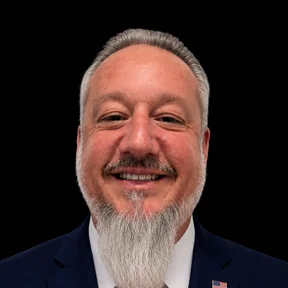
About Victor J. Rosario
Victor J. Rosario is the Residents-First candidate for Miami-Dade County Mayor 2028. A U.S. Coast Guard veteran, entrepreneur, technologist, and artist, Victor brings a track record of building real solutions — from AI tools to campaign policy — that serve Miami-Dade's 2.8 million residents.
Learn More About Victor