
By Victor J. Rosario, candidate for Miami-Dade County Mayor · October 24, 2026
Miami-Dade County should not wait for the future. Under a Residents First Administration, we should build it. We should not sit back and watch other counties, other states, and other regions position themselves for the next century while Miami-Dade simply reacts. We should lead. We should build the infrastructure that gives our residents the power to compete, the ability to create, the room to innovate, and the economic strength to benefit for generations. The future of wealth creation, economic influence, global relevance, and technological leadership is not going to belong to the counties that hesitated. It is going to belong to the counties that understood early that the next era will run on electricity, data, compute, connectivity, aviation, logistics, and secure infrastructure. That is why my vision for Miami-Dade County is not a small project and not a narrow proposal. It is a complete future infrastructure plan centered around a world-class AI Park and a next-generation airport district that work together as one coordinated economic engine.
At the center of that vision is the creation of a twenty to twenty-four million square foot AI and Data Center Park built in Miami-Dade County as a county-defining project. Not rented. Not outsourced. Not treated as an afterthought. Built right here, in our county, for our residents, our businesses, our future, and our long-term economic independence. This is where the next generation of technology lives. This is where artificial intelligence, cloud computing, high-performance computing, startup innovation, enterprise systems, and future digital infrastructure come together in one strategic district. But more importantly, this is where our residents win. This is where Miami-Dade County stops being just a place where other people do business and starts becoming a place that owns the underlying infrastructure of the future economy.
A lot of people hear the phrase data center and think about buildings full of servers. That is too small of a way to think about what is coming. Artificial intelligence is not just another industry. It is becoming foundational infrastructure. It will affect aviation, medicine, finance, transportation, emergency systems, logistics, security, government operations, small business growth, education, robotics, software, construction, hospitality, communications, and nearly every operational layer of modern life. The counties and states that build the infrastructure for that future will be in a position to set the pace for economic growth. The counties and states that fail to build will end up dependent on the regions that did. I do not want Miami-Dade County to be dependent. I want Miami-Dade County to lead.
That is why this project must be built with scale, seriousness, and long-term intent. Twenty to twenty-four million square feet of AI capacity is not a symbolic number. It reflects the scale that is necessary if Miami-Dade County wants to stand at the top of the national conversation instead of hovering at the margins while others move first. If we are serious about being the number one county in the United States of America for next-generation infrastructure, then we have to think like a county that intends to win. We need to build enough space to host major operators, enough space for county-controlled capacity, enough space for startups and future expansion, and enough space to position Miami-Dade as the digital gateway between the United States, Latin America, South America, the Caribbean, and major international markets. If we do not build the space, we cannot offer the opportunity. If we do not own the infrastructure, we cannot shape the future.
The location strategy is just as important as the size. My vision places the AI Park in and around the airport district for a reason. This is not random land-use thinking. This is strategic planning. Airports already function as major infrastructure corridors. They sit at the intersection of transportation, logistics, security, commerce, workforce movement, and international connectivity. By placing the AI Park around the airport area, Miami-Dade County can create an infrastructure ring that performs several functions at once. It creates a smart buffer zone. It strengthens security around critical infrastructure. It organizes airport-adjacent land more responsibly. It creates an industrial and technology belt before residential development begins. It supports business growth and logistics expansion. It helps future office and headquarters space plug directly into world-class compute infrastructure. And it allows the county to design a district where everything works together instead of fighting each other.
That buffer concept is one of the most important parts of the vision. Around too many airport environments in this country, people allowed incompatible land use to develop too close to the infrastructure that keeps those districts running. The result is conflict, noise complaints, future planning constraints, weaker operational logic, and development that does not fully respect either the airport or the people who live nearby. I do not want that for Miami-Dade County. I want a cleaner, smarter, more strategic long-term model. The AI Park, along with warehouse districts, logistics infrastructure, technology facilities, fiber corridors, power systems, and industrial support uses, forms a protective and productive ring around airport operations. That means the land immediately around the airport is doing serious work for the county. It is generating economic value. It is providing a security buffer. It is supporting logistics and technology. It is creating jobs. It is serving as a high-performance infrastructure zone. Then, once you move beyond that ring, the county can responsibly develop residential communities, office towers, mixed-use districts, hotels, hospitality zones, startup communities, and long-term neighborhoods with a much stronger quality-of-life model for residents.
This is why I do not see the AI Park as a standalone project. I see it as the digital spine of a much larger district. The airport itself must evolve into a stronger, larger, more ambitious infrastructure platform under the concept of Miami-Dade Americas Gateway International. The AI Park must connect to that platform. The warehouse and logistics areas must connect to that platform. The power system must connect to that platform. The office and innovation districts must connect to that platform. The hospitality and entertainment areas must connect to that platform. The residential communities must be planned around that platform in a way that protects residents while still allowing them to benefit from the jobs, commerce, and long-term wealth generation created by the district. That is how you build a real economic engine. You do not build isolated pieces. You build an ecosystem.

The AI Park itself would be one of the most important pieces of that ecosystem. It would be designed for hyperscale operations, enterprise-grade computing, secure government infrastructure, cloud workloads, artificial intelligence training, inference operations, storage, cybersecurity applications, and the next generation of digital services that do not even fully exist yet. It would include large data halls, utility and cooling systems, secure perimeters, operations centers, fiber hubs, redundant power systems, staging zones, maintenance facilities, and future expansion parcels. It would be built in phases, but it would be master-planned as a mega project from the beginning so the county is not boxed in by short-term thinking. If we are going to do it, we need to do it like a county that understands how large the future really is.

This project is not just about renting space to others. That would be too small. Miami-Dade County should have its own dedicated capacity inside that AI Park. The county should not be in a position where critical future systems always depend on outside infrastructure that it does not control. The county should own infrastructure. The county should control infrastructure. The county should have room for its own future systems, its own digital operations, its own strategic capabilities, and its own room to grow. That is how you stop spending forever and start building long-term institutional strength. That is how you create public value out of major infrastructure instead of simply becoming a customer forever.
Under Project Victor J Rosario aka Project Fund, residents are not spectators to this growth. Residents are beneficiaries of this growth. That is one of the core principles of this vision. When Miami-Dade County invests in infrastructure of this scale, that infrastructure should not become a private machine that extracts value while leaving ordinary residents behind. The opposite should happen. The residents of Miami-Dade County should see the economic upside of a district like this. They should benefit from the jobs. They should benefit from the training and workforce development. They should benefit from the local business opportunities. They should benefit from the county’s stronger tax base and stronger economic circulation. They should benefit from the headquarters, suppliers, and new commercial activity that grows around the district. And under Project Fund, residents are making bank because the county is finally building economic engines designed to return value back into Miami-Dade instead of letting that value flow outward for others to enjoy.
This is why ownership matters. This is why planning matters. This is why scale matters. If we build enough space, we create real optionality. We can allocate major capacity to leading operators. We can reserve space for future county use. We can bring in large technology players. We can support startup ecosystems. We can create a home for future services that serve Florida, the United States, Latin America, South America, and the Caribbean. Miami-Dade County is geographically positioned to become a major interconnection point not only physically through air movement and logistics, but digitally through low-latency infrastructure and compute capacity. If we build the AI Park at the right scale, then businesses headquartered in Miami-Dade can be connected directly to the future. That means better performance, faster operations, stronger cloud access, improved digital capabilities, and a real competitive advantage for businesses that choose to locate here.
That business positioning matters because the district is not only about infrastructure. It is also about attraction. When corporations decide where to place headquarters, regional offices, innovation labs, or major operating divisions, they look for ecosystems. They look for connectivity, infrastructure, transportation, workforce access, hospitality capacity, power reliability, physical security, and room to grow. They do not just look for office space. They look for an environment that supports scale. The vision I am laying out for Miami-Dade County creates exactly that type of environment. You have the airport. You have the AI Park. You have the warehouse and logistics district. You have the power backbone. You have the office and innovation corridors. You have hotels and conference capacity. You have hospitality and entertainment. You have secure infrastructure. You have future residential communities positioned beyond the industrial buffer. That is how you make Miami-Dade County an irresistible growth destination for the next generation of business.
The power question is absolutely central to this vision. People cannot talk honestly about artificial intelligence infrastructure without talking about electricity. The future economy will run on electricity, compute, fiber, cooling, and resilience. Large-scale AI parks are not light industrial projects. They are power-intensive districts that require serious planning. That is why my vision includes a major power infrastructure component capable of supporting the AI Park, future airport growth, surrounding hotels, warehouses, and the larger district that develops around the project over time. This is not the kind of project that should be approached with temporary thinking. The county has to think in terms of multi-gigawatt potential, phased expansion, redundancy, hardened distribution, substations, utility corridors, backup systems, cooling infrastructure, storage options, and long-term operational resilience. If we do this right, the power system itself becomes one of the most valuable strategic assets in the district.
The way I see it, the energy backbone is not just there to support the AI Park. It helps support the whole airport district. It gives the county a chance to build one of the most powerful and resilient infrastructure corridors in the country. It allows the airport, the AI Park, the warehouse district, the business district, and future surrounding development to grow from a planned electrical foundation instead of struggling later to catch up. That means Miami-Dade County can think bigger from the start. It can think about a district that does not merely survive growth, but is designed for it. It can think about long-term competitiveness instead of short-term patchwork. It can think about becoming one of the places where major future operators know that the county has already done the serious work required to support real scale.
The warehouse and logistics side of this vision is just as important. Airports are not only about passengers. They are also about cargo, movement, throughput, and distribution. Miami-Dade County already understands the importance of being a gateway, but what I want is a stronger, more integrated logistics ecosystem that grows around the airport and feeds directly into the AI and business environment. Warehouses are not dead space in this vision. They are productive infrastructure. They are the operational side of the district. They support cargo handling, e-commerce, freight processing, equipment staging, industrial support services, maintenance, fulfillment, aviation supply chains, and all the functions that keep a mega district alive. When those warehouse and logistics areas are paired with AI systems, low-latency networks, airport access, and a stronger business environment, they become far more valuable than isolated industrial parcels ever could be on their own.
That is also why the district must include office space and a formal innovation corridor. Once the county builds the AI Park, it should not stop there. It should create the conditions for enterprises, startups, developers, research teams, service providers, and international firms to plug into that infrastructure directly. Office towers, startup space, innovation campuses, training centers, and headquarters space should be part of the long-term district design. Businesses should be able to locate near the AI Park, near the airport, and near the logistics network, all while benefiting from low-latency connections and a complete infrastructure environment. That is how Miami-Dade County becomes more than a place where business passes through. That is how it becomes a place where business plants roots.
Then comes hospitality, tourism, and entertainment. A district at this scale should not think narrowly. If Miami-Dade County is building a future infrastructure corridor of this magnitude, then it should also think about the hospitality and destination value that can grow around it. Hotels, conference facilities, meeting space, destination dining, nightlife, entertainment, and visitor-oriented infrastructure all become part of the economic mix. This is especially true if the district is drawing technology events, major business traffic, aviation traffic, conventions, international commerce, and corporate presence. A future-ready district cannot be sterile. It has to be alive. It has to be able to host people, entertain people, support business travel, and create additional economic layers that keep money moving within the county. Hospitality is not separate from the vision. It is part of the economic engine.
The entertainment district envisioned around this project is designed as a major attraction in its own right. It is intended to be bold, beautiful, and globally competitive. It should have major hotels, nightlife, destination-scale pedestrian corridors, convention and event capability, dining, shopping, and an atmosphere strong enough to attract people beyond pure airport-related activity. The county should think big about what it can build when it is no longer trapped inside small political imagination. If the district becomes a place where people land, work, meet, innovate, stay, celebrate, and spend money, then the economic value compounds. The airport supports the district. The district supports tourism. Tourism supports jobs. Jobs support residents. Residents support local business. Local business supports the county. This is how a well-designed mega district creates circulation that strengthens Miami-Dade County from multiple directions at once.
Residential development is also part of the long-term vision, but it has to be done in the correct order. I want residents to have a great life. I do not want them pushed directly into the heaviest airport-adjacent activity zones where quality of life suffers and land-use conflicts begin. That is why the infrastructure ring matters so much. The AI Park, warehouse district, and industrial support uses create the buffer. Once that buffer exists, the county can build outward into properly planned residential communities, mixed-use neighborhoods, community-serving retail, office areas, and long-term places where people can live close enough to opportunity without being placed right on top of the most intense infrastructure. That is how you protect residents while still making sure they benefit from the district. It is not anti-resident to put industrial and technology infrastructure near the airport. It is pro-resident, because it creates the buffer that allows better neighborhood planning beyond it.
And yes, that means the district becomes a place where residents can live, work, grow, and build futures close to world-class infrastructure. They can qualify for homes. They can access jobs. They can start businesses. They can work in logistics, engineering, hospitality, maintenance, digital systems, operations, security, construction, management, retail, startups, and technology. They can build careers in an ecosystem that did not exist before. They can raise families in communities positioned near opportunity instead of being left out of the county’s largest projects. That is what a Residents First Administration is supposed to do. It is supposed to make sure major growth benefits residents instead of making them feel like outsiders watching somebody else’s money move through their county.
Security becomes stronger under this model as well. When critical infrastructure is organized intelligently, the county saves itself problems in the long run. An airport district with a large AI and industrial buffer can be designed with controlled access, clearer operational zones, hardened infrastructure, monitored corridors, and long-term security logic that is far better than chaotic land use around sensitive facilities. There is less unnecessary activity near the airport edge. There is stronger separation between critical operations and general residential life. There is more room to build secure systems correctly. That makes the district more stable, more resilient, and more professional in how it functions over time. A serious county plans security into infrastructure from the beginning. It does not try to bolt it on later after land-use mistakes have already been made.
Water, cooling, and environmental resilience are part of the vision too, but they must be approached intelligently. South Florida conditions require real planning, not slogans. The district must include serious stormwater management, resilient canal and drainage design, engineered cooling systems, protected green corridors, and environmental planning that understands both the opportunity and the responsibilities of building at scale. Certain areas should remain conserved. Certain areas should be strategically developed. Cooling systems should be designed for performance and resilience. Infrastructure should be built with long-term conditions in mind. The county should take pride in building something ambitious without acting irresponsibly. There is nothing visionary about building a major district badly. The real vision is building a district that is strong, resilient, efficient, and built to last.
Another important dimension of this project is symbolic, but it is not just symbolic. It tells the world what kind of county Miami-Dade intends to be. For too long, too many places have been satisfied with being consumers of somebody else’s vision. They wait for a company to arrive. They wait for a developer to propose something. They wait for an outside institution to choose them. That is not the posture I want for Miami-Dade County. I want the county to create the platform. I want the county to set the direction. I want the county to say clearly that this is where the future gets built. When a county does that, it changes the psychology of growth. It stops waiting for permission to matter. It starts acting like the place where the next era is going to happen.
As a technologist, I see this very clearly. Artificial intelligence is not a passing trend. It is not a toy. It is not a small software category that will remain tucked away inside a few companies. It is becoming infrastructure. It will change which regions attract investment, which regions create jobs, which regions command strategic leverage, and which regions end up dependent on outside systems. The future will not simply reward software. It will reward the places that build the underlying physical backbone for software, compute, storage, and digital operations. That means electricity, land, cooling, fiber, operations, transportation, and ownership. Miami-Dade County has the chance to move early and move big. That is exactly what it should do.
This vision also reflects a deeper philosophy about government. Government should not merely regulate around the edges of private growth while residents hope some benefit reaches them eventually. Government should help build the conditions that produce resident success at scale. That does not mean the county does everything alone. It means the county creates the framework, secures the land-use logic, preserves county control where it matters, ensures residents have a seat in the future, and prevents the county from being reduced to a bystander while others profit from its geography and energy. That is why county-controlled space in the AI Park matters. That is why Project Fund matters. That is why the residents-first model matters. This is about governing with intention instead of drift.
The district can also become a talent engine. Once you build major AI and infrastructure capacity, you create the justification for training programs, technical education, operational apprenticeships, industry partnerships, startup support systems, and workforce pipelines. Young people in Miami-Dade County should be able to see a future in technology, infrastructure, aviation systems, maintenance, logistics, operations, hospitality, network engineering, facilities management, and advanced services without feeling like they have to leave home to find opportunity. Adults looking to transition careers should be able to plug into a growing ecosystem. Local vendors should be able to sell into that ecosystem. Local entrepreneurs should be able to build on top of that ecosystem. That is how large infrastructure becomes a platform for resident advancement rather than just a physical asset sitting on land.
It is also worth understanding that the district’s economic logic compounds over time. The airport draws movement. The AI Park draws digital demand. Warehouses and logistics draw operators. Office and innovation space draw companies. Hospitality draws events and visitors. Residential communities draw long-term population stability. Power infrastructure draws major users who need certainty. Once those layers begin reinforcing each other, the county’s growth becomes stronger, more stable, and more valuable. That is the difference between disconnected projects and a real district strategy. Disconnected projects generate activity. District strategies generate ecosystems. Ecosystems generate durable wealth.
This is why I keep returning to the phrase residents win with Victor. It is not just a slogan. It reflects the core operating principle of the vision. I am not interested in building a future where major infrastructure shows up in Miami-Dade County but ordinary people remain locked out of the upside. I want the opposite. I want the county to build engines of value that residents can feel in their lives. More jobs. More opportunity. Better infrastructure. Stronger economic circulation. More local business activity. Better positioning for young people. Better positioning for families. Better positioning for long-term county stability. Under Project Victor J Rosario aka Project Fund, residents are making bank because the county is finally doing what it should have done long ago: building with ownership, purpose, and ambition.
There is also a national dimension to this vision. For the good of our country, for the good of our state, and for the good of Miami-Dade County, we should not be comfortable with falling behind on AI infrastructure while others move aggressively. The counties that build the backbone of the AI future will matter more. They will attract more. They will serve more. They will produce more leverage. If Miami-Dade County builds this district correctly, it can serve not only its own residents but become a strategic platform for activity reaching throughout Florida, the United States, and international markets connected through Miami. That type of leverage matters. It matters economically. It matters technologically. It matters for long-term relevance.
It also matters culturally. Miami-Dade County should be known not only for what people visit, but for what people build. It should be known not only for tourism, but for infrastructure. Not only for lifestyle, but for innovation. Not only for commerce, but for the systems that make commerce possible. That requires a shift in mindset. It requires us to stop seeing the county as a passive geography and start seeing it as a strategic engine. The AI Park and airport district vision is part of that shift. It announces that Miami-Dade County is willing to think at the scale of the future and build accordingly.
The beauty of this vision is that it does not depend on one building, one company, or one ribbon cutting. It is phased, layered, and expandable. The county can begin with the land-use logic, the planning framework, the infrastructure spine, and the first phases of the AI Park and airport district. From there, the district can grow intelligently over time. New halls can be added. New operators can be added. New logistics space can be added. New office towers can be added. New hotels can be added. New residential and mixed-use neighborhoods can be added in the proper zones. The county does not have to finish the entire future in one moment. But it does have to begin in the right direction with the right level of seriousness.
That is exactly why this is the future. The future is not a random collection of projects. The future is a district. The future is an ecosystem. The future is electricity, compute, security, aviation, logistics, connectivity, and ownership working together. The future is Miami-Dade County deciding that it will no longer simply host activity but shape it. The future is a county that builds infrastructure large enough to matter. The future is a county that designs growth to benefit residents. The future is a county that understands that technology is not abstract. It is physical. It lives in land, power, cooling, fiber, buildings, and operations. And if you want your residents to benefit from technology, you need to build the physical backbone that technology requires.
Miami-Dade County should not wait for the future. Under a Residents First Administration, we should build it now. We should build the AI Park. We should build the airport district. We should build the power spine. We should build the warehouse and logistics corridor. We should build the innovation and office districts. We should build the hospitality and destination environment. We should build the long-term residential communities beyond the buffer zones. We should build county-controlled infrastructure that gives our residents a real stake in the next era of growth. We should build a district strong enough to carry Miami-Dade County forward for generations.
This is what the future looks like. A twenty to twenty-four million square foot AI and Data Center Park built right here in Miami-Dade County, integrated with a next-generation airport district, supported by logistics, power, hospitality, innovation, and long-term resident-centered planning. This is where artificial intelligence lives. This is where opportunity lives. This is where economic power lives. This is where generational infrastructure gets built. And under Project Victor J Rosario aka Project Fund, this is where residents are making bank.
The future runs on electricity, data, and infrastructure. Miami-Dade County should lead, not follow. Residents win with Victor.
MIAMI-DADE COUNTY COMMISSIONER PACKAGE
MIAMI-DADE AI PARK & AMERICAS GATEWAY INTERNATIONAL DISTRICT
Residents First Infrastructure Package Under Project Victor J Rosario aka Project Fund
PACKAGE PURPOSE
This Commissioner Package is submitted to present a county-shaping infrastructure vision for Miami-Dade County centered on the creation of a twenty to twenty-four million square foot AI and Data Center Park integrated with a next-generation airport district, logistics and warehouse belt, major power and utility backbone, innovation and headquarters environment, hospitality and destination economy, and long-term resident-centered growth framework. The purpose of this package is to explain the strategic logic of the project, define the resident benefit model, establish the implementation direction, support legislative and executive review, and give County Commissioners a full policy basis to understand why this concept should be treated as one of the most important future infrastructure opportunities in Miami-Dade County.
This package is not intended to describe a narrow real estate proposal or an isolated airport-adjacent development concept. It is intended to define a generational economic development strategy. Miami-Dade County is at a moment where it must decide whether it will remain a place where future infrastructure is built somewhere else and consumed here later, or whether it will become one of the counties that actively builds the physical backbone of the next era. Artificial intelligence, digital infrastructure, resilient power, logistics, aviation, business headquarters, cloud systems, innovation space, and resident-serving economic ecosystems will define the long arc of regional competitiveness. This package exists to place Miami-Dade County in the lead rather than on the sidelines.
ITEM SUMMARY FOR COMMISSIONERS
The item before the Board is the conceptual and policy framework for the Miami-Dade AI Park and Americas Gateway International District, a large-scale future infrastructure initiative designed to establish Miami-Dade County as a leading national and international center for artificial intelligence infrastructure, airport-driven logistics, digital connectivity, resilient utility systems, business growth, and resident-centered long-term economic opportunity. The project vision includes a phased AI and Data Center Park planned for approximately twenty to twenty-four million square feet of ultimate capacity, structured as part of an airport compatibility and infrastructure belt surrounding and supporting the airport district while creating an organized buffer between intensive airport-adjacent operations and future residential and mixed-use growth.
The package further contemplates a coordinated district model in which the AI Park is supported by warehouse and logistics facilities, major utility and substation infrastructure, commercial and innovation corridors, office and headquarters space, hospitality and destination uses, and residential growth in properly phased outer bands beyond the primary industrial and digital infrastructure zone. The County would also reserve, control, and operate dedicated strategic capacity within the AI Park so that Miami-Dade County is not reduced to permanent dependence on outside providers for critical future digital infrastructure. The entire project is framed under a Residents First Administration and under Project Victor J Rosario aka Project Fund so that the long-term value created by the district is directed toward jobs, business opportunity, public benefit, economic circulation, and resident success for generations to come.
EXECUTIVE SUMMARY
Miami-Dade County should not wait for the future. It should build it. This package presents a vision for doing exactly that by creating one of the most ambitious infrastructure districts ever proposed in the county: a major AI Park integrated with a future-ready airport district, logistics corridor, power backbone, business ecosystem, hospitality environment, and long-term residential framework. The project begins from a simple but powerful understanding. The future will not be controlled by places that hesitated. It will be controlled by places that understood in time that economic power in the twenty-first century depends on electricity, compute, connectivity, resilient land use, transportation, security, logistics, and ownership of critical infrastructure.
Artificial intelligence is no longer a marginal sector. It is becoming foundational. It will shape logistics, aviation, medicine, finance, cybersecurity, communications, cloud infrastructure, robotics, automation, government operations, and the next era of business formation. Regions that build large-scale AI infrastructure early will gain leverage. Regions that do not will become dependent on the ones that did. Miami-Dade County has geographic, commercial, and strategic advantages that make it uniquely positioned to become one of the defining AI gateway districts in the country, particularly because of its role as a hemispheric bridge between the United States, Latin America, the Caribbean, and international markets.
The AI Park component of this vision is not designed as a standalone server compound. It is designed as the digital engine of a larger district. Around that engine, the County can organize warehouse and logistics operations, utility and cooling systems, airport-support uses, office and headquarters capacity, startup and innovation space, hotels, convention and visitor economy uses, entertainment activity, and ultimately carefully placed residential neighborhoods beyond the primary infrastructure belt. In this model, airport-adjacent land works harder for the public. It creates a security-supportive buffer. It generates economic output. It reduces land-use conflict. It strengthens logistics. It supports future digital capability. It gives Miami-Dade County a project large enough to matter nationally.
Most importantly, this package rejects the idea that residents should merely absorb the impacts of major growth while others take the gains. Under Project Victor J Rosario aka Project Fund, the district is intended to function as a county economic engine whose long-term benefits flow into job creation, local business growth, infrastructure ownership, stronger public capability, and durable resident value. The residents are not spectators to the project. The residents are meant to win because of it.
POLICY OBJECTIVES
The first policy objective is to establish Miami-Dade County as a leading center for large-scale artificial intelligence, cloud, and digital infrastructure. That means creating enough space, utility capacity, and district-scale planning logic to support serious operators, serious workloads, serious innovation, and serious long-term public value. A county that wishes to lead in the future economy cannot be afraid of physical scale. It must think in terms of land, power, cooling, access, security, and long-term ownership.
The second policy objective is to use airport-adjacent land more intelligently. Rather than allowing fragmented or weakly organized development patterns to dictate the future, the County should create an Airport Compatibility Belt composed of AI facilities, warehouses, logistics, industrial support uses, utility systems, and operational infrastructure that perform as both an economic engine and a long-term planning buffer. This protects residents from incompatible development while also protecting the airport district from future land-use conflict.
The third policy objective is to preserve county control and county capability. Miami-Dade County should not enter the next era of digital dependency by permanently renting critical infrastructure from others while giving away strategic leverage. The County should reserve and control dedicated space and capacity for its own public-sector systems, future digital initiatives, resident-serving capabilities, and institutional growth.
The fourth policy objective is resident benefit. This package is built on the principle that the County’s largest projects must be structured so that local people can work in them, contract into them, build businesses around them, and benefit from the wealth they generate. Jobs, training, business access, long-term public revenue enhancement, and stronger economic circulation are not side effects of the project. They are central goals of the project.
The fifth policy objective is to create an integrated district, not a random collection of buildings. The airport, the AI Park, the logistics belt, the utility backbone, the commercial and innovation corridor, the hospitality environment, and the future residential neighborhoods must reinforce one another. When infrastructure is planned that way, its economic value compounds over time.
HOW THE MODEL WORKS
The model begins with a large airport-facing infrastructure belt. In that belt, the County organizes the highest-intensity uses that are most compatible with airport adjacency and most useful to a future economic ecosystem. That includes data centers, AI compute facilities, utility and substation space, logistics and warehouse facilities, maintenance-support land, industrial operations, secured operational corridors, fiber and digital connectivity systems, and airport-support infrastructure. These uses are productive, controlled, resilient, and better suited to the airport edge than unplanned residential encroachment.
Immediately beyond that belt, the district expands into a second ring of economic activity. This second ring includes office towers, startup and innovation space, business parks, headquarters facilities, conference and meeting venues, hotels, retail, destination dining, and broader commercial development tied to the traffic, connectivity, and demand created by the airport and AI infrastructure core. This layer captures value that would otherwise disperse. It gives firms a reason to establish a physical presence. It allows enterprises to locate close to world-class compute infrastructure and a major airport. It creates the environment in which Miami-Dade County becomes not merely a pass-through market but a headquarters and operations market.
Beyond the second ring, future residential and mixed-use communities can be created in a much more responsible pattern. Those communities benefit from proximity to jobs and infrastructure while remaining separated from the heaviest industrial, logistics, and airport-adjacent operations. In this way, the district can provide the residents of Miami-Dade County with access to opportunity without forcing them to live directly on top of the most intense operational activity. This structure creates better long-term quality of life, better land-use compatibility, and better planning logic overall.
The project is intended to be phased. The County does not need to build the entire future in a single act. It needs to establish the land-use logic, utility spine, governance approach, county-reserved capacity model, and phased development framework so that the district can grow over time in an intentional way. The key is to begin correctly and at a scale that preserves long-term optionality.
RESIDENT IMPACT
The resident impact of this proposal is both immediate and long-term. In the immediate sense, the project creates a basis for construction employment, engineering services, planning work, utility work, security and operations work, and the early creation of local vendor demand. As the district develops, it opens the door to jobs in facilities operations, logistics, warehouse management, data center support, network operations, hospitality, retail, business services, transportation, digital systems, maintenance, and management. That is already a meaningful public benefit.
The deeper resident impact comes from the structure of the project. Under a Residents First Administration, Miami-Dade County is not simply trying to import outside capital and hope a small amount trickles down. It is trying to create a district where the architecture of growth itself is aligned with resident success. Residents should be able to find work in the district. Residents should be able to launch companies in the district. Residents should be able to sell into the district. Residents should be able to receive training connected to the district. Residents should be able to benefit from the stronger tax base, stronger county capacity, and stronger economic circulation that the district creates.
This is where Project Victor J Rosario aka Project Fund becomes essential. The economic engine created by the district is intended to return value back into Miami-Dade County rather than simply allowing the county to host activity while others extract the overwhelming share of its gains. Under this model, residents are making bank because the County is building infrastructure that creates long-term public-side value, not just isolated private upside.
WHY THIS BENEFITS MIAMI-DADE COUNTY
Miami-Dade County benefits because this package strengthens nearly every major future-facing economic pillar at once. It strengthens digital infrastructure. It strengthens aviation and logistics. It strengthens business attraction. It strengthens the hospitality economy. It strengthens utility planning. It strengthens the County’s long-term tax base. It strengthens public-sector digital capability. It strengthens the workforce pipeline. It strengthens Miami-Dade’s image as a place where the future is built rather than merely consumed.
The County also benefits because this project resolves a recurring weakness in local growth models: the tendency to develop without enough strategic integration. Instead of letting airport land, utility corridors, warehouse functions, hospitality functions, office demand, and residential demand evolve as disconnected pressures, this package organizes them into one district logic. That produces a better result for the County because the land works together. The airport supports the district. The district supports the tax base. The tax base supports resident services. The AI Park supports business growth. Business growth supports employment. Employment supports families. Families support community stability. This is not accidental growth. This is structured growth.
WHY THIS BENEFITS THE AMERICAS AND INTERNATIONAL BUSINESS
Miami-Dade County is already one of the most naturally advantaged international gateway jurisdictions in the United States. The proposed district leverages that strength in a modern way. Instead of relying only on physical movement through air travel and cargo, Miami-Dade can combine physical gateway status with digital gateway status. Companies serving Latin America, the Caribbean, and broader hemispheric markets will increasingly need compute proximity, digital infrastructure, and resilient operations environments in addition to transportation access. This project positions Miami-Dade County to become that kind of node.
That matters for international headquarters, regional operating centers, startup ecosystems, fintech, logistics technology, media, cloud-enabled services, security services, and advanced business operations. If Miami-Dade County provides the infrastructure, the power, the airport access, the office environment, and the hospitality support system, it gives global and hemispheric firms a reason to place real operations here. That is a strategic advantage that grows more valuable over time.
DEPARTMENT HEAD AND IMPLEMENTATION RESPONSIBILITIES
The Mayor’s Office shall serve as the executive anchor for initial direction, coordination, and priority-setting related to the District. The relevant County planning, transportation, infrastructure, aviation, utility, resilience, economic development, finance, and legal functions shall be directed to coordinate on the development of a phased implementation strategy. The purpose of this assignment is not to force premature construction activity but to ensure that the County begins from an integrated planning position rather than a fragmented one.
The aviation function shall focus on airport compatibility, operational separation, access, aviation-support land logic, and the long-term relationship between the airport district and the Airport Compatibility Belt. Planning and zoning functions shall focus on land assembly logic, growth phasing, district compatibility, and long-term land-use design. Utility and infrastructure functions shall focus on grid readiness, substation space, utility reservations, cooling and stormwater coordination, and district-scale engineering requirements. Economic development functions shall focus on business attraction, innovation space, startup integration, local business participation, and long-term economic positioning. Finance and legal functions shall evaluate delivery structures, county control mechanisms, reserved capacity frameworks, and lawful implementation pathways.
FISCAL AND OPERATIONAL CONSIDERATIONS
This package is intentionally ambitious, which means its financial and operational considerations must be approached with seriousness. The County should not treat a project of this scale as a typical speculative corridor plan or a conventional industrial park. The cost profile will involve land assembly, utility readiness, power and substation infrastructure, road and internal circulation systems, site elevation and flood-resilience measures, cooling and stormwater systems, permitting processes, district design, security and operations considerations, and the long-term creation of county-reserved digital capacity. All of this requires a disciplined fiscal framework.
However, the same scale that creates cost also creates extraordinary leverage. A district capable of anchoring AI, logistics, aviation-adjacent commerce, hospitality, office growth, and future residential development can produce layers of tax base expansion, operational savings through county-owned infrastructure, business attraction, local job creation, and long-horizon value growth that far exceed those of a small isolated project. The correct way to evaluate the package is not as a one-line expense item but as a generational infrastructure engine. The County must therefore assess costs, capital strategies, partnerships where appropriate, county ownership models, and long-term revenue implications in one coordinated framework.
RECOMMENDED IMPLEMENTATION FRAMEWORK
The first stage should be a formal district study and master planning phase. During this stage, the County identifies candidate lands, reviews aviation compatibility, studies utility and substation requirements, evaluates resilience and site-elevation needs, maps district rings, identifies reserved county-capacity targets, and defines the long-term land-use and governance structure. This stage also establishes the County’s internal position on control, phasing, and resident-benefit requirements before any major outside negotiations occur.
The second stage should be infrastructure readiness. This includes preliminary power strategy, utility reservation, circulation planning, stormwater and cooling logic, and the structuring of an initial County position regarding ownership, operating rights, and reserved public capacity. Without a serious infrastructure readiness phase, the County risks generating a conceptual plan that cannot support its own ambitions.
The third stage should be the first operational district buildout. This would likely include initial AI capacity, initial warehouse and logistics support land, key utility infrastructure, and the beginning of the district’s business-facing and support ecosystem. The objective is to launch the district with enough mass and seriousness to attract real participation.
The fourth stage should be district multiplication. Once the AI Park, airport-support belt, and infrastructure backbone are functioning, the County can expand the business corridor, hospitality corridor, destination and convention components, and future outer-ring residential and mixed-use development in a manner consistent with the project’s long-term logic.
COMMISSIONER TALKING POINTS
Commissioners can accurately say that this package is about building the future rather than waiting for it. They can say the County is positioning itself for artificial intelligence, digital infrastructure, logistics, aviation growth, and long-term economic resilience in one integrated move. They can say the project creates a smarter airport-adjacent land-use model by placing industrial, AI, and logistics uses in the primary belt and preserving better conditions for future residential growth farther out.
Commissioners can also say that the proposal is resident-first. The County is not merely inviting outside activity into Miami-Dade without direction. It is structuring a district where local jobs, local businesses, county-owned or county-controlled capacity, and long-term public value are built into the concept from the beginning. They can say that under Project Victor J Rosario aka Project Fund, residents are intended to benefit from the growth rather than being left behind by it.
Commissioners can further say that this is a national-competition issue. Other places are moving aggressively on artificial intelligence and future infrastructure. Miami-Dade County should not surrender that future by acting too small. A county that wants to lead must build serious infrastructure at serious scale.
FAQ
What is this project, in simple terms?
It is a long-term plan to create a major AI and Data Center Park integrated with an airport-driven economic district that also includes warehouses, logistics, power infrastructure, office and innovation space, hotels, and later residential communities placed beyond the core infrastructure belt. It is a district strategy, not a single building.
Why place the AI Park around the airport?
Because airport-adjacent land is better suited for high-performance infrastructure, logistics, warehouse, digital, and utility uses than for immediate residential encroachment. Using the AI Park and related infrastructure as a buffer supports airport operations, improves land-use logic, strengthens security, and allows future residential growth to be positioned more responsibly.
How do residents benefit?
Residents benefit through jobs, workforce development, local business access, stronger public infrastructure, stronger county capability, broader economic circulation, and long-term county value under Project Victor J Rosario aka Project Fund. The project is designed so residents are part of the upside, not merely subject to the footprint.
Is the County supposed to own all of it?
The package is built around the principle that Miami-Dade County should reserve and control meaningful strategic capacity within the district so the County is not permanently dependent on outside providers for critical future digital infrastructure. The exact ownership and operating structure would be defined through lawful implementation work, but county control and resident value are core principles.
Is this just a data center project?
No. It is a larger district strategy that includes the AI Park as the digital engine, but also includes logistics, utility infrastructure, business growth, hospitality, and future community development in one master-planned framework.
Is this intended to be built all at once?
No. The proposal is phased. The County should begin with serious planning, land-use logic, utility readiness, reserved-capacity policy, and initial buildout, then expand over time.
DRAFT COVER MEMO TO COMMISSIONERS
To: Miami-Dade County Commissioners
From: Victor J Rosario aka Guilty Trex Future Mayor Of Miami dade county
Re: Miami-Dade AI Park & Americas Gateway International District Commissioner Package
Commissioners,
Miami-Dade County has the opportunity to lead in one of the most important infrastructure shifts of our time. Artificial intelligence, digital infrastructure, utility resilience, aviation logistics, and future-ready district planning are no longer optional concerns. They are the systems that will define long-term competitiveness, public capability, and economic strength.
This package presents a vision for a large-scale AI and Data Center Park integrated with a broader airport district and economic ecosystem. The project is designed to create jobs, business opportunity, county capability, and resident benefit under a Residents First Administration and under Project Victor J Rosario aka Project Fund. It also provides a more disciplined and more beneficial use of airport-adjacent land by creating an Airport Compatibility Belt centered on AI, warehouse, logistics, utility, and secured infrastructure uses before future residential growth occurs farther out.
I respectfully submit this package for review as a generational infrastructure concept that can position Miami-Dade County as a leading gateway for artificial intelligence, logistics, business growth, and public-facing future infrastructure.
Respectfully,
Victor J Rosario aka Guilty Trex Future Mayor Of Miami dade county
BOARD DISCUSSION FRAMING
Board discussion should frame this project as a county-building opportunity rather than a routine development proposal. The right question is not whether the County should think this big. The right question is whether the County can afford not to. If Miami-Dade County does not begin organizing land, power, airport adjacency, logistics, and digital infrastructure strategically, it will likely remain dependent on outside systems while other regions define the standards of the next era.
Discussion should also focus on the resident logic of the project. This is not a growth model that asks residents to accept impacts without seeing benefit. It is a framework designed to align long-term public value, employment, local business participation, public capacity, and county competitiveness. Commissioners should view the package as an attempt to build the future in a way that is structurally fairer to Miami-Dade residents than business-as-usual development patterns.
PUBLIC BENEFIT STATEMENT
The public benefit of this package is that it gives Miami-Dade County a path to create durable infrastructure-based value rather than temporary or fragmented growth. The district will strengthen economic resilience, improve long-term planning logic around the airport, expand job creation, support local business growth, improve digital and utility capacity, and create a future platform capable of serving residents, businesses, and public institutions alike. The County’s investment in serious infrastructure can become a long-term engine of resident success rather than a short-lived burst of activity.
Under this vision, public benefit is not something hoped for after the fact. It is embedded in the structure of the district. County control, resident access, local business opportunity, training pipelines, stronger public systems, and long-term value retention in Miami-Dade County are all part of what makes the package worth pursuing.
FAIRNESS, ACCOUNTABILITY, AND GOVERNANCE
Fairness in this package means the County does not allow public geography, public exposure, and resident stakeholding to be used as a platform for growth that primarily benefits outside actors without corresponding public value. Fairness means residents get a real place in the project’s upside. Fairness means the County preserves meaningful strategic capacity for its own future digital and operational needs. Fairness means the project is designed so that quality of life is protected through proper land-use sequencing rather than compromised through careless airport-adjacent residential placement.
Accountability means the district must be planned with utility realism, infrastructure realism, legal discipline, and public transparency. It means no symbolic master plan should move forward if the power, land, and implementation logic do not support it. It means departments must coordinate. It means County control principles must be clear. It means resident-benefit promises must be operationalized in the implementation framework rather than treated as rhetorical decoration.
CONCLUSION
Miami-Dade County should not wait for the future. It should build it. This Commissioner Package presents a serious path for doing exactly that by linking AI infrastructure, airport-driven logistics, power planning, commercial growth, hospitality, and resident-centered development into one integrated district. The project is ambitious because the future is ambitious. Artificial intelligence, digital capacity, resilient utilities, and airport-adjacent economic ecosystems are going to define which counties lead and which counties follow.
This package calls on Miami-Dade County to lead. It calls on the County to own infrastructure instead of merely renting the future from others. It calls on the County to create an Airport Compatibility Belt that uses airport-adjacent land more responsibly and more productively. It calls on the County to build an AI Park large enough to matter. It calls on the County to strengthen its utility backbone, attract businesses, support residents, and create a district capable of carrying Miami-Dade forward for generations.
Under a Residents First Administration and under Project Victor J Rosario aka Project Fund, the residents are making bank because the County is finally building what the future actually requires: electricity, compute, connectivity, logistics, security, ownership, and opportunity.
Residents win with Victor.
SIGNATURE LINE
Victor J Rosario aka Guilty Trex Future Mayor Of Miami dade county
HASHTAGS
#ResidentsFirstAdministration #ProjectVictorJRosario #ProjectFund #MiamiDadeCounty #ArtificialIntelligence #AIPark #DataCenters #AirportDistrict #Infrastructure #Jobs #EconomicGrowth #Technology #Cloud #Logistics #FutureIsNow #ResidentsWinWithVictor
About Victor J. Rosario
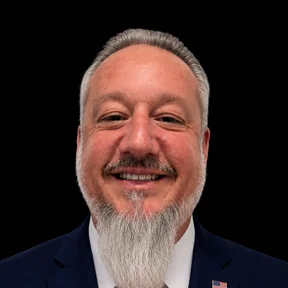
Victor J. Rosario is the Residents-First candidate for Miami-Dade County Mayor 2028. A U.S. Coast Guard veteran, entrepreneur, technologist, and artist, Victor brings a track record of building real solutions — from AI tools to campaign policy — that serve Miami-Dade's 2.8 million residents.
Learn More About Victor