
By Victor J. Rosario, candidate for Miami-Dade County Mayor · October 28, 2026
Initiative: Miami-Dade County Ballot Privacy Protection and Surveillance Safeguards Program
Every resident of Miami-Dade County deserves to enter a voting location, exercise their constitutional rights, and leave knowing that their ballot selections remained private. Whether a resident votes Republican, Democrat, for a minor-party candidate, or without party affiliation, ballot secrecy must not depend on the location of a ceiling-mounted surveillance camera.
Why This Initiative Matters
Public libraries, schools, community centers, and government facilities often have security cameras designed to protect buildings and people. When these facilities serve as voting locations, those systems must be assessed to ensure they cannot improperly record the choices on voters' ballots.
This proposal was prompted by an observation while voting: a ballot scanner appeared to be located beneath a ceiling-mounted camera. That sight raised legitimate questions about its field of view, operation, recording, and who might have access to any footage. It does not establish that the camera captured ballot selections or that anyone used such footage to influence an election.
Modern video systems may support high-resolution recording, remote access, and automated analytics. Where camera placement creates a ballot secrecy risk, precautionary controls should prevent the collection of sensitive information rather than depend solely on assurances that equipment is turned off.
The Proposal
In county-controlled voting facilities, security systems would be assessed before elections in coordination with the independent Miami-Dade Supervisor of Elections. Cameras capable of capturing protected voting activity would be physically covered with purpose-built opaque covers, disabled, or repositioned under applicable Florida procedures. Each relevant camera would have documented verification and suitable public notices.
YOUR BALLOT. YOUR PRIVACY. CAMERA COVERED FOR VOTER PROTECTION.
This public-facing notice would explain why a camera is covered. Properly fitted, tamper-evident and reusable covers would be installed by authorized technicians. They must not obstruct emergency devices, impair access, or damage building systems.
Protecting Every Community
The goal is consistent safeguards throughout Miami-Dade's 34 municipalities, across county facilities and — where independent operators agree — municipal buildings, schools, and other polling facilities. A county mayor cannot direct an independent constitutional officer or every facility owner; the program therefore proposes voluntary intergovernmental agreements and local adoption where needed.
AI and Voter Privacy
County-controlled video systems must not be used to create databases associating voters' faces or identities with marked ballot selections. Facial recognition or other analytic tools must never be deployed for the purpose of finding out how someone voted. Any suspected violation should be referred to authorized officials for fact-finding and evidence preservation; allegations must not be presented as verified wrongdoing without evidence.
Security and Election Operations
The initiative does not propose switching off all cameras throughout every building. Cameras covering entrances, parking lots, and other lawful security areas may remain in service if they do not compromise protected voting activities. Voting locations must remain safe, accessible, and under the lawful control of election administrators.
Verification and Accountability
Authorized staff would maintain a camera inventory, complete pre-election field-of-view inspections, document installation or disabling, certify protection before voting starts, and follow restoration procedures after the facility is released from election use. An aggregate public compliance report would describe facilities checked and deficiencies corrected without revealing sensitive layouts or voter information.
Conclusion
No political party, government department, contractor, or outside organization should gain an unauthorized visual record of how residents voted. Ballot secrecy belongs equally to everyone. Under a proposed Residents First Administration, Miami-Dade County would put visible, verifiable protections in place at county-controlled locations and collaborate with the independent Supervisor of Elections to support consistent implementation.
Your vote belongs to you.
Victor J. Rosario
Candidate for Mayor of Miami-Dade County
victormiamidadecountymayor.com
OFFICE OF THE MAYOR — MIAMI-DADE COUNTY, FLORIDA
PROPOSED EXECUTIVE ORDER NO. 2029-___
Establishing the Miami-Dade County Ballot Privacy Protection and Surveillance Safeguards Program
Status: Proposed draft for future legal review and execution; not enacted.
Proponent: Victor J. Rosario, Candidate for Mayor of Miami-Dade County.
WHEREAS
WHEREAS, voter ballot secrecy is fundamental to lawful elections and applies equally regardless of political affiliation; and
WHEREAS, Florida law protects ballot privacy, establishes polling place rules, and limits photography and recording in covered circumstances; and
WHEREAS, Florida Department of State polling place guidance addresses operational security cameras within polling rooms, physical covers, and notices for nonoperational cameras; and
WHEREAS, some county-owned facilities serve as early voting locations and Election Day polling places while retaining permanent surveillance systems; and
WHEREAS, the Miami-Dade Supervisor of Elections is an independent constitutional officer responsible for election administration; and
WHEREAS, county executive departments have lawful responsibilities for maintaining facilities and security infrastructure under their control;
NOW THEREFORE, subject to the Miami-Dade County Home Rule Charter, Florida election law, and all applicable appropriations, the following is proposed:
Section 1. Purpose
Establish a county executive program preventing county-controlled surveillance cameras from recording ballot selections or protected voting activity. Nothing here transfers election authority or permits alteration of election equipment.
Section 2. Applicability
Apply to facilities and cameras under mayoral administrative control when they serve as voting sites. Other facility operators, school authorities, municipalities and constitutional officers may participate through lawfully authorized agreements or their own adopted procedures.
Section 3. Pre-election camera inventory
The Information Technology Department and facility operators, coordinating with election officials, shall inventory cameras and assess whether their field of view might include voting booths, marked ballots, scanners where selections could be seen, and other restricted areas.
Section 4. Physical camera covers
Install secure, opaque and reusable physical covers where needed to prevent recording of protected voting activity, or adopt other measures permitted by current Florida election procedures. Install only through authorized staff. Do not obstruct safety systems, access or election equipment. Maintain safeguards while the site remains in voting use.
Section 5. Public notice and certification
Use plain-language signage in English, Spanish and Haitian Creole as appropriate. Display compliant notices for nonoperational cameras when required. Before opening the voting location, authorized staff shall sign a checklist identifying measures completed, deficiencies and corrections without collecting ballot choices.
Section 6. Ban on misuse of county systems
No county executive department shall deliberately use surveillance footage, facial recognition or automated analytics to determine or assemble records of individual ballot choices. Access and disclosure remain subject to lawful records requests, judicial orders, preservation duties and other controlling law.
Section 7. Security continuity
Do not implement an indiscriminate, building-wide camera shutdown. Security cameras serving areas unrelated to protected voting activity may remain operating to the extent lawful. Any competing safety and privacy needs shall be resolved with election officials.
Section 8. Supervisor of Elections coordination
Seek a written operating protocol with the independent Supervisor of Elections addressing inspections, signage, covers, incidents, authorized personnel, and post-election restoration. The Supervisor retains all legally assigned election responsibilities.
Section 9. Municipal cooperation
Provide optional specifications, templates and training to Miami-Dade's 34 municipalities and other independent facility operators. Participation is not mandatory absent an independent legal basis.
Section 10. Incident reporting and evidence
Report suspected unauthorized ballot recording promptly through approved election and security channels. Preserve legally relevant evidence. Do not independently delete, seize, disclose or tamper with election-related material. Refer substantiated findings to the appropriate competent authorities.
Section 11. Restoration
Remove protective covers and restore normal facility security only after election officials have released the facility for ordinary use, subject to documented procedures.
Section 12. Responsibilities
Mayor's Office: administrative coordination; IT: technical standards; Facilities and Libraries: building access and maintenance; County Attorney: legal review; budget officials: fiscal analysis; Supervisor of Elections: invited election-procedure coordination within independent authority.
Section 13. Phases
Within 30 days: working group, facility inventory, preliminary plan. Within 60 days: technical specifications and notices. Within 90 days: pilot at representative county facilities. Before each election: coordinate inspections and certification with election officials.
Section 14. Procurement and funding
Use only lawfully appropriated funding and approved procurement. Evaluate reusable equipment and existing staff. No unauthorized expenditure commitments.
Section 15. Transparency
Publish a summary after each major election cycle detailing participating facilities, completed assessments, deficiencies and corrective measures, with necessary security and voter-privacy redactions.
Section 16. Legal compliance and severability
Interpret consistently with state and federal law, the County Charter and independent constitutional offices. Invalid provisions shall be severed to the extent legally appropriate.
Section 17. Effective date
Effective only upon lawful mayoral execution and applicable approvals after assumption of office.
Proposed by Victor J. Rosario
Candidate for Mayor of Miami-Dade County
Execution
This order is a proposal. It has no legal effect until it is signed by the Mayor after taking office and approved as the law requires.
Signed by the Mayor upon assumption of office
Victor J. Rosario, Mayor of Miami-Dade County
Signature: ______________________________ Date: ________________
Reviewed for legal form and sufficiency
Office of the County Attorney
Signature: ______________________________ Date: ________________
Executive Order No. 2029-______ (number assigned at signing)
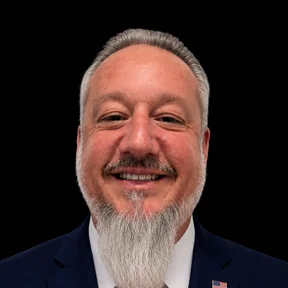
About Victor J. Rosario
Victor J. Rosario is the Residents-First candidate for Miami-Dade County Mayor 2028. A U.S. Coast Guard veteran, entrepreneur, technologist, and artist, Victor brings a track record of building real solutions — from AI tools to campaign policy — that serve Miami-Dade's 2.8 million residents.
Learn More About Victor