
By Victor J. Rosario, candidate for Miami-Dade County Mayor · October 24, 2026
Miami-Dade County residents should not have to accept damaged roads as a normal part of daily life. A pothole is not just a hole in the street. It is a tax on working people. It is a repair bill on a tire, a wheel, a suspension system, an alignment, a shock, a strut, a chassis, or a delivery vehicle. It is wasted time. It is a rough commute before sunrise. It is a bus ride that feels harder than it should. It is a visible sign that maintenance was delayed, that a recurring problem was not studied early enough, or that the system treated roadway wear as something to react to later rather than something to solve now.
That has to change.
Under this initiative, Miami-Dade County will build a disciplined, visible, and high-output road repair structure designed to eliminate the chronic pothole problem countywide and restore confidence in the roads people use every day. The plan is not based on random patching or slow-moving bureaucratic responses. The plan is based on dedicated county crews, assigned geographic responsibility, structured escalation, smarter repair standards, and a permanent understanding that not all potholes should be treated the same way.
Some road defects can be corrected quickly with proper asphalt repair. Others cannot. Some potholes are simply surface failures. Others are warnings that the road underneath has already broken down because of water intrusion, weakened base material, traffic stress, trench failure, drainage problems, or repeated bad patch work. If government treats all of those conditions as identical, government ends up paying to fix the same location over and over again while residents continue paying the price on their own vehicles. That is not intelligent maintenance. That is waste.
My administration’s road program changes that by creating a two-layer county system. The first layer is speed. The second layer is permanence. The first layer will attack the countywide pothole backlog with four primary road repair units working by region. The second layer will target repeated failure locations with four specialized concrete repair units that rebuild damaged areas more aggressively and more intelligently. Together, those two systems will create a real countywide strategy instead of a patchwork of disconnected reactions.

A Four-Zone Countywide Rapid Road Repair Model
The foundation of this initiative is the creation of four primary county road repair units assigned by geography: North, South, East, and West Miami-Dade County. These units will serve as the front line for roadway response. Their purpose is to identify, dispatch, repair, document, and monitor routine potholes and roadway wear before small defects grow into larger failures.
This matters because a county as large and active as Miami-Dade cannot rely on a vague maintenance structure and expect high-quality results. Roads deteriorate in patterns. Traffic loads vary by corridor. Weather affects some areas differently. Construction activity, utility cuts, drainage conditions, and pavement age all vary from one area to another. A geographic model creates accountability. The North unit knows its territory. The South unit knows its territory. The East unit knows its territory. The West unit knows its territory. That familiarity means better route planning, better recognition of repeat problem spots, faster response, clearer metrics, and a stronger sense that the county is actually watching what is happening on the ground.
Each of these four units will be staffed by county employees and supported by equipment capable of carrying out durable asphalt-based pothole and surface repairs on a daily basis. They will operate on extended hours with split shifts, creating at least sixteen hours of coverage per day and allowing both daytime and nighttime production. The point is not to create a program that works only during a narrow administrative window. The point is to put real crews into the field for sustained operational time, reduce backlog faster, and use lower-traffic hours to work more efficiently.
In practical terms, residents should be able to see results. They should see county trucks moving. They should see crews assigned to real corridors. They should see neighborhoods receiving attention not after months of frustration but through a visible maintenance routine. They should feel the difference in their commute. Better roads are not abstract. They are physical. When government does this correctly, the public feels it under the tires immediately.
Not Every Pothole Should Get the Same Repair
One of the biggest failures in road maintenance is the idea that every pothole can be solved with the same kind of patch. That is how governments end up spending money twice, three times, or four times on the same damaged section. A normal patch may be appropriate for a routine defect. It is not appropriate for a location where the roadway has already demonstrated a pattern of recurring failure.
That is why this initiative includes a second layer: specialized concrete-backed repeat repair units.
These units will not be used for every road defect. They will be used where inspection shows that a standard asphalt-only repair does not make sense because the location is likely to fail again. If the initial inspection reveals a compromised base, water-related failure, repeated reopening after storms, settlement, heavy stress, poor prior patching, or a structural condition below the surface, the job should not stay in the normal queue. It should be transferred immediately to the concrete specialty unit for that service area.
That shift in logic is where intelligence enters the system.
Instead of saying, “fill it again and hope for the best,” the county will say, “this location has already told us what it is.” If the hole is going to reopen after the next heavy rain, then sending the same patch crew back to do the same repair is not responsible government. It is a cycle of waste. The better choice is to open the area properly, stabilize it, reinforce it, let the repair cure, and then finish it in a way that integrates with the road surface while giving the damaged location a much stronger internal structure.
Four Specialized Concrete Units for Repeat-Failure Locations
Alongside the four rapid repair units, Miami-Dade County will establish four specialized concrete roadway repair units designed to handle the jobs that should not be treated as ordinary pothole work. These concrete units will be aligned to the same North, South, East, and West service model so that every part of the county has access to a stronger repair capability when conditions justify it.
These crews will be equipped differently because their work is different. They will need trucks that carry concrete-related materials, reinforcement tools, saw-cut equipment, demolition tools, compaction tools, safety gear, curing protection materials, and steel plate capability where appropriate to manage the site while the concrete sets. They will need disciplined inspection standards and crews trained to understand when the damaged area must be expanded beyond the visible edge of the hole in order to stop the road from breaking apart again at the seam.
This program accepts a basic engineering truth: many potholes are larger than they look. The visible surface failure is often only the exposed part of a broader weak zone. If government repairs only the center of the failure and ignores the weakened perimeter, traffic and water will work the edges until the repair opens again. That is why these concrete units will “make the repair bigger” where necessary. They will not do that recklessly. They will do it strategically, because the point is to remove unstable material, restore structural integrity, and stop the same location from becoming a repeat complaint.
How the Concrete Repeat-Repair Process Will Work
When a primary road repair crew or inspector identifies a location that is not a smart candidate for a basic patch, the job will be escalated to the concrete specialty team. The repeat-repair process begins with proper cutting and removal. The damaged section will be opened with enough width and depth to expose the failed area rather than merely covering the symptom. The crew will remove bad material, inspect the base condition, and determine whether reinforcement is needed.
Where conditions justify it, rebar or related reinforcement will be installed so the repaired section has internal strength rather than surface appearance alone. Concrete will then be poured to rebuild the damaged area structurally. This is a deliberate departure from the patch-and-go model. It takes more discipline. It takes more planning. It takes more curing time. But it also produces a better result where the road has already shown that the weaker approach will not hold.
Once the concrete has been placed, the area must be protected while it cures. Depending on the site and operational need, steel plates can be used as part of site management and safety while the repair stabilizes. After curing is complete and the structural portion of the job is ready, the county will apply an asphalt finishing layer with proper bonding so the top of the repair blends into surrounding pavement and provides a smoother driving surface. That final asphalt cap is not the repair itself. It is the finishing layer over a stronger repair body underneath.
This is the difference between cosmetics and correction. The public has seen too much of the first and not enough of the second.
Why Night Operations Matter for the Concrete Units
The specialized concrete units will focus heavily on nighttime operations, and that is not a detail. It is part of the strategy.
Concrete-backed roadway repair is more disruptive than a quick patch if done during peak traffic hours. It involves more space, more safety management, more curing time, and a more careful sequence of work. Conducting that work at night gives the crews more room to operate, reduces interference with daily traffic flow, lowers risk to workers, and limits the number of residents affected by lane interruptions while the repair is being built correctly.
Night work also reflects the reality of Miami-Dade County’s traffic patterns. Major corridors, neighborhood connectors, bus routes, and commuter streets are more difficult to manage during heavy daytime flow. If the county wants to do a smarter job, then it has to match its work patterns to the conditions on the road. That means letting the rapid-response system handle many problems throughout extended daily hours while reserving the more intensive concrete-backed structural corrections for the times when the roadway can be managed with less disruption and better crew safety.
This is a practical logistics decision, not a cosmetic one. It recognizes that a better repair sometimes requires a different operational rhythm. The people of Miami-Dade County benefit when the county does not just work harder, but works smarter.
A Residents-First Transportation Policy
This initiative is rooted in a residents-first understanding of public infrastructure. Road conditions are not merely an engineering issue. They are an everyday cost-of-living issue.
When roads are neglected, residents pay. A commuter heading to work pays in vehicle damage. A parent driving children to school pays in vehicle wear. A small business operator making deliveries pays in downtime and maintenance. A rideshare driver, a bus passenger, a truck operator, a senior citizen, an airport employee, a hospital worker, and a tourist all feel the quality of the road network directly. Poor roads do not punish abstractions. They punish the people who are using them.
That is why this initiative is not limited to fixing what looks bad on the surface. It is designed to prevent residents from repeatedly paying the price of preventable deterioration. If a pothole is fixed the wrong way and opens again after seasonal rain, then the county has not actually solved anything. The resident still drives over a failing section. The resident still risks damage. The resident still loses confidence in government. A residents-first administration must think beyond the appearance of a repair and focus on the lived outcome of that repair.
The outcome we want is simple: smoother roads, fewer repeat failures, lower vehicle repair costs, faster response, and a countywide culture of maintenance that takes the public seriously.
Building a Real Reporting and Dispatch System
The road repair program will also be supported by a direct public reporting mechanism so residents can send pictures and locations of potholes, roadway depressions, failed patches, broken asphalt, and visible surface damage. This should not be treated as a decorative app feature. It should function as an operational intake tool that feeds the field system with live information from the people who use the roads daily.
A resident sees a dangerous pothole. The resident takes a picture. The resident sends the location. That issue enters the county’s system. The appropriate North, South, East, or West unit receives the lead. The crew inspects it. If it is a standard defect, it gets rapid repair. If the inspection shows a high likelihood of repeat failure, the issue is transferred to the concrete specialty team for structural work.
That reporting pipeline improves more than speed. It improves data. Over time, the county will begin to see clusters, recurring corridors, repeat locations, drainage-linked failures, utility-linked failures, and high-stress streets that need more than patching. That means the repair system also becomes a planning system. Every roadway complaint becomes a chance to learn something about the network. Every repair becomes part of a larger map of road health across the county.
That is the kind of intelligent government people deserve.
When the Problem Is Bigger Than a Hole
This initiative also recognizes that some locations are not just pothole sites. They are signs of corridor-level deterioration. A repeat hole can be evidence that the road needs larger paving work, base reconstruction, drainage correction, or utility coordination. The front-line units and concrete specialty units will therefore serve as the county’s eyes on the street. When they see the same road failing across a wider section, or when they identify a pattern that no localized repair can honestly solve, they will escalate the corridor for paving or more comprehensive rehabilitation.
That part of the system is critical because it prevents the county from hiding behind short-term fixes while long-term failure spreads. The road crews will not simply repair and forget. They will repair, document, and signal when a larger capital response is needed. That is how you stop a maintenance operation from becoming blind to structural decline.
In practice, this means county crews will sometimes say: this is not just a pothole anymore; this street needs pavers, resurfacing, full section restoration, drainage attention, or follow-up contracting. At that point, the roadway issue moves into the next operational tier so the county can dispatch the right capacity for a bigger job. The goal is not only to fix damage but to understand what kind of damage the county is dealing with and respond at the correct level.
Better Roads for Residents, Better Roads for Tourism
Miami-Dade County is not only a residential county. It is also one of the most visible tourism and transportation environments in the country. Visitors, business travelers, airport traffic, buses, hotel traffic, commercial operators, freight movement, event traffic, and ordinary residents all rely on the road network. Poor roads hurt the county’s image and its economy. A visitor may not understand the details of county government, but they understand the feel of a bad road immediately.
That matters.
A county that wants to project quality, competence, safety, and readiness cannot do so while its road surfaces communicate neglect. Good roads help local commerce. Good roads support tourism. Good roads improve movement around business districts, medical corridors, major venues, residential neighborhoods, and airport approaches. Good roads reduce the daily friction that makes a place feel harder to navigate than it should.
This initiative therefore improves more than roadway performance. It improves the county’s public face. It tells residents and visitors alike that Miami-Dade County expects to function at a higher level.
Protecting Public Money by Ending Repeat Waste
One of the strongest arguments for this initiative is financial discipline. Repeating the wrong repair is not cheaper than doing the right repair. It may look cheaper on paper in the short term, but the long-term cost is higher because the county pays multiple times for the same failure, residents keep suffering damage, and the administrative system keeps consuming labor and material without producing a durable result.
The concrete specialty units are important for exactly that reason. They represent a higher-discipline maintenance philosophy: identify the recurring failures, separate them from routine potholes, and rebuild them more intelligently. That does not mean every repair has to become a major construction event. It means the county finally acknowledges that some defects need structural correction and that refusing to make that distinction is expensive.
When the county stops wasting repeated trips on known repeat-failure spots, it frees labor, equipment, and budget capacity. It also gives residents something they rarely receive from government infrastructure work: the feeling that the fix actually fixed something.
An Infrastructure Standard That Respects Vehicles
A serious county road policy should speak plainly about vehicle damage. People do not experience potholes as academic policy. They experience them through repair shops, tire invoices, bent rims, front-end problems, suspension damage, steering issues, and the wear that accumulates one bad road at a time. For working families, that is not a minor inconvenience. It is a direct hit to household finances.
That is why this initiative connects infrastructure quality to resident economic protection. Smoother roads help preserve cars, trucks, buses, vans, county fleets, contractor fleets, and business vehicles. They reduce the hidden costs residents carry because government let road wear sit too long or treated recurring failure as normal. A county that says it is residents-first must be willing to recognize that bad roads are financially abusive in slow motion. They wear people down over time, just like the roads wear down the vehicles.
By restoring roads more aggressively and more intelligently, Miami-Dade County can save residents money that would otherwise leave their pockets through preventable maintenance costs. That is a real quality-of-life policy, not just a public works slogan.
A County Workforce With Purpose
This initiative is also a workforce and operations policy. It requires real county employees, real training, real scheduling, real dispatching, and real accountability. The crews should know the mission. The mission is not to chase complaints forever. The mission is to eliminate the chronic pothole backlog, protect the public, and build a maintenance culture that gets stronger with every quarter.
That means setting performance standards. The county should track response times, repair completion rates, repeat-failure locations, escalations to concrete repair, corridors flagged for paving, and operational output by region. The public should be able to see whether North is moving, whether South is moving, whether East is moving, whether West is moving, and whether the county is actually reducing the problem over time. Accountability matters because the public has heard promises before. What they need now is a structure that can prove it is working.
The Goal: No Chronic Pothole Problem by the End of Year Four
The ambition of this plan is straightforward and appropriate. By the end of the fourth year, Miami-Dade County should not be living with a chronic pothole problem. Roads will still age. Weather will still happen. Construction activity will still affect pavement. But the county should no longer be trapped in a cycle where road defects linger, repeat, and spread without a credible operational answer.
With four primary rapid-response units, four specialized concrete repeat-repair units, extended shifts, nighttime structural work, public reporting, corridor escalation, and a residents-first standard for infrastructure, Miami-Dade County can create a road system that is not perfect in theory but visibly better in practice, block by block and corridor by corridor.
That is what serious government looks like. It does not deny wear and tear. It organizes against it. It does not pretend every pothole is the same. It triages intelligently. It does not keep charging residents the price of bad roads through vehicle damage and wasted time. It repairs the public realm in a way that respects the people who pay for it.
Conclusion
Miami-Dade County needs a road repair strategy that matches the size, pace, and seriousness of the county itself. That means more than sending a truck when someone complains. It means building a system. It means dividing the county into North, South, East, and West operational zones. It means deploying crews long enough each day to make real progress. It means knowing when a fast asphalt repair is appropriate and when a failing location must be transferred immediately to a stronger concrete-backed repair process. It means working at night when night work is smarter. It means using rebar, concrete, curing time, steel protection, and an asphalt finish where necessary so recurring problem spots stop reopening after the next round of heavy rain. It means documenting deeper failures and escalating whole corridors when a larger paving response is required. And most of all, it means understanding that good roads are not cosmetic. They are part of how a county respects residents.
This initiative is about smoother commutes, safer driving, better bus movement, stronger tourism presentation, lower vehicle costs, smarter logistics, and public works that finally act like they belong in a world-class county. Miami-Dade residents deserve roads that feel maintained, not neglected. They deserve a county that can look at a pothole and decide whether to patch it fast or rebuild it right. They deserve infrastructure work that is operational, strategic, and relentless until the chronic problem is gone.
That is the vision here. Four rapid repair units. Four specialized concrete units. Day work, night work, smart dispatch, stronger standards, and a clear target: fix the roads correctly, protect the residents, and restore pride in Miami-Dade County’s streets.
EXECUTIVE ORDER NO. 2028-XX
Miami-Dade Road Recovery and Permanent Repair Program
WHEREAS, Miami-Dade County residents, workers, visitors, emergency responders, transit vehicles, delivery operators, and businesses rely every day on a safe, stable, and professionally maintained road network; and
WHEREAS, potholes, surface failures, recurring roadway depressions, weak patches, trench settlement, drainage-related pavement deterioration, and repeated pavement breakdown impose direct financial harm on residents through damaged tires, bent rims, suspension wear, alignment problems, chassis strain, delays, safety risks, and avoidable maintenance costs; and
WHEREAS, poor roadway conditions reduce public confidence, weaken the daily transportation experience, make bus and emergency movement less efficient, and project an unacceptable image for a county that depends on strong infrastructure, commerce, and tourism; and
WHEREAS, routine pothole repair is necessary, but it is equally necessary to recognize that not every pothole should be treated as a routine pothole, because some locations repeatedly fail due to deeper structural weakness, water intrusion, drainage problems, unstable base material, heavy traffic stress, poor prior repairs, or utility-related disturbance beneath the surface; and
WHEREAS, when repeated failures are treated with the same superficial repair method, the County wastes labor, equipment, materials, time, and taxpayer funds while residents continue to suffer the burden of damaged roads and damaged vehicles; and
WHEREAS, Miami-Dade County requires a more disciplined, more strategic, and more operationally aggressive roadway maintenance framework built on clear service zones, trained county crews, rapid dispatch, structural escalation, durable repair standards, extended work hours, and measurable public results; and
WHEREAS, a Residents First administration must treat road quality as a matter of public respect, economic fairness, public safety, quality of life, and infrastructure competence, and must therefore move beyond a patch-and-delay model toward a countywide system of fast repair, permanent correction, and corridor-level road intelligence;
NOW, THEREFORE, I, as Future Mayor of Miami-Dade County, do hereby order and direct the following:
Section 1. Title
This Executive Order shall be known as the Miami-Dade Road Recovery and Permanent Repair Program Executive Order.
Section 2. Purpose
The purpose of this Executive Order is to establish a county-controlled, residents-first roadway repair and roadway preservation program designed to eliminate the chronic pothole problem across Miami-Dade County, reduce repeat road failures, improve traffic movement, protect private and public vehicles from avoidable damage, improve the resident and visitor experience, and create an organized operational structure capable of addressing both ordinary potholes and recurring structural roadway failures.
This Executive Order creates a two-layer response model. The first layer is a rapid roadway maintenance system designed to respond quickly to potholes, wear, and visible surface failure. The second layer is a specialized permanent repair system for locations where ordinary patching is not appropriate because the initial inspection indicates that the defect will likely return unless the damaged area is rebuilt more aggressively and more intelligently.
The County shall use this program to improve roads, protect residents, reduce repeated waste, and restore the principle that Miami-Dade County roads should be maintained to a standard consistent with serious public administration.
Section 3. County Policy
It shall be the policy of Miami-Dade County that roadway defects shall be addressed according to engineering need, operational urgency, and long-term durability, and not solely according to the quickest temporary repair method available.
It shall further be the policy of Miami-Dade County that roads are essential public infrastructure and that a visible pothole, repeated roadway failure, or neglected damaged section shall be treated as a correctable maintenance issue requiring prompt county response.
It shall further be the policy of Miami-Dade County that repetitive repair of the same weak roadway section without structural evaluation is disfavored and shall be replaced, where appropriate, by reinforced and more durable repair methods that reduce the likelihood of repeat failure.
Section 4. Creation of Four County Rapid Road Repair Units
Miami-Dade County shall establish no fewer than four dedicated road repair units, each assigned to a geographic service zone designated as North, South, East, and West.
Each such unit shall function as a county-operated field response team responsible for identifying, inspecting, dispatching, repairing, documenting, and monitoring potholes, road wear, and surface roadway defects within its assigned zone.
Each such unit shall be staffed by county employees and equipped with the machinery, vehicles, materials, safety equipment, traffic-control devices, and communications tools necessary to carry out daily roadway repairs.
Each such unit shall operate under county direction and county performance standards. The County Mayor or the Mayor’s designee shall define the precise service boundaries for the North, South, East, and West zones in a manner that promotes balanced workload, faster response, and clear accountability.
If one zone materially reduces its active backlog while another zone carries heavier demand, the County may temporarily reallocate crews or equipment to maximize countywide performance, provided that all such operations remain county-controlled.
Section 5. Operating Hours and Shift Structure
The County shall design the operational schedule for the rapid road repair units so as to maximize field productivity and reduce backlog through extended daily coverage.
The intent of this Executive Order is that each road repair unit operate through a multi-shift structure capable of producing approximately sixteen hours of field activity per day, including day and night coverage where appropriate, with the objective of creating continuous momentum rather than limited administrative-hour response.
The County Mayor or the Mayor’s designee may expand, reduce, or rebalance shift hours by corridor, zone, season, weather conditions, emergency need, and staffing availability, provided that the structure remains faithful to the purpose of this Executive Order: aggressive field repair, faster response, and visible roadway improvement.
Section 6. Creation of Four Specialized Concrete Permanent Repair Units
In addition to the four rapid road repair units, Miami-Dade County shall establish no fewer than four specialized concrete permanent repair units, likewise assigned to the North, South, East, and West service model.
These concrete permanent repair units shall be used for roadway defects, potholes, repeated failure locations, or structurally weak sections where the initial field inspection determines that a standard patch is not a sound or cost-effective repair because the defect is likely to return.
The purpose of these specialized units is to end the cycle in which certain damaged roadway sections are patched repeatedly despite clear evidence that the failure is rooted in a deeper condition below the surface.
Each concrete permanent repair unit shall be equipped with trucks, saw-cutting equipment, demolition and cleanup tools, compaction tools, rebar or reinforcement capability, concrete-handling capability, steel plate capability where appropriate, curing protection materials, asphalt finishing materials, traffic-control equipment, and safety equipment sufficient to perform stronger structural roadway corrections.
Section 7. Inspection, Triage, and Escalation Standards
All roadway defects reported to or observed by Miami-Dade County crews shall be inspected and triaged according to a structured decision model.
If the defect is determined to be suitable for routine pothole or surface repair, it shall remain with the assigned rapid road repair unit for corrective work.
If the defect is determined to involve repeat failure, weakened base material, water intrusion, drainage-linked distress, settlement, failed prior patching, utility-related undermining, expanded edge deterioration, or any other field condition suggesting that routine patching will likely fail again, the matter shall be transferred to the concrete permanent repair unit for that service zone.
The County shall not encourage a practice of knowingly applying a temporary repair to a location that has already demonstrated a recurring pattern of structural weakness when a stronger repair method is reasonably available.
All transfers from rapid repair units to concrete permanent repair units shall be documented in the County’s roadway maintenance system so that the County develops a growing record of recurring problem spots and roadway failure types.
Section 8. Permanent Concrete Repair Method
When a roadway defect is transferred to a concrete permanent repair unit, the County shall perform a stronger repair process consistent with the conditions found in the field.
That process may include opening the affected area beyond the visibly broken portion where necessary to remove unstable material, expose the full weak zone, and prevent edge failure from recurring along the margin of the repair.
The process may further include saw-cutting, removal of failed pavement, inspection of the subgrade or base condition, installation of reinforcement including rebar where appropriate, placement of concrete to restore structural stability, use of steel plates or related site-safety measures during curing where operationally necessary, and the application of an asphalt finish layer or bonded wearing surface after the structural repair has cured sufficiently.
The County shall use the repair method that best aligns with roadway conditions, traffic needs, safety, material performance, and durability. The County’s objective shall not be cosmetic patching. The County’s objective shall be a stronger correction that materially reduces the likelihood that the same pothole or roadway failure reopens after heavy rain, seasonal storms, or ordinary traffic load.
Section 9. Night Operations for Concrete Units
Because permanent reinforced repairs require more time, more space, more safety management, and curing conditions not always compatible with peak traffic hours, the County shall prioritize night operations for the specialized concrete permanent repair units where operationally appropriate.
Night operations shall be used to reduce traffic disruption, improve worker safety, allow the repair area to remain protected while concrete cures, and reduce inconvenience to residents, transit users, emergency vehicles, businesses, and visitors.
The County Mayor or the Mayor’s designee shall establish operational protocols for lane management, safety lighting, steel plate protection where appropriate, curing-zone management, and post-repair reopening procedures so that the work can be executed efficiently and safely.
Section 10. Resident Reporting and Photo-Based Service Intake
Miami-Dade County shall develop and maintain a direct public reporting pathway through which residents may submit roadway issues by photo, location, and description.
Such reporting system may be digital, app-based, web-based, phone-assisted, or integrated into existing county service platforms, but it shall function as a real maintenance intake mechanism rather than a passive complaint archive.
Reported defects shall be routed to the appropriate county service zone for inspection. The resulting inspection shall determine whether the defect is a candidate for rapid repair, permanent concrete repair, corridor-level paving escalation, drainage review, or utility coordination.
The County shall treat resident reporting as a strategic asset. The people who use the roads daily are often the first to detect failure. Their reports should therefore help drive faster dispatch, better prioritization, and stronger operational awareness.
Section 11. Corridor Escalation and Full Paving Referrals
If a roadway defect or cluster of defects reveals that the underlying issue is broader than a localized pothole, the assigned county unit shall generate an escalation record indicating that the corridor, segment, or street requires higher-level review.
Such escalation may result in referral for paving, resurfacing, reconstruction, drainage correction, utility coordination, subgrade evaluation, or other capital-level or contract-supported roadway intervention.
This Executive Order is not intended to trap Miami-Dade County in a cycle of small repairs where larger roadway rehabilitation is plainly necessary. Rather, the county units created by this Order shall also serve as the County’s field intelligence mechanism for identifying which streets require a broader response.
Section 12. Countywide Reach and Municipal Service Capability
The County’s first responsibility under this Executive Order shall be to improve county-controlled roads and county transportation corridors.
Where lawfully authorized and operationally practical, Miami-Dade County may also extend repair capability into municipal areas through county-controlled service arrangements, targeted operational deployment, emergency support, or other lawful mechanisms that preserve county authority, county direction, and county standards.
Nothing in this Executive Order shall require Miami-Dade County to surrender operational control of the program. The County shall remain the lead authority for the units created herein whenever they are deployed.
Section 13. Equipment Procurement and Standards
The County Mayor or the Mayor’s designee is directed to evaluate and procure the machinery, vehicles, tools, repair systems, and related equipment necessary to implement this Executive Order at a high operational standard.
Such evaluation may include high-precision equipment, modern pothole-repair systems, concrete-capable repair trucks, reinforcement tools, compaction systems, saw-cutting equipment, inspection tools, and digital dispatch or documentation systems designed to improve the durability and speed of county road repair operations.
The County shall prioritize equipment quality, service reliability, field durability, worker safety, and repair performance.
Section 14. Data, Metrics, and Public Accountability
The County Mayor or the Mayor’s designee shall establish measurable performance standards for the units created by this Executive Order.
Such standards may include response times, number of defects repaired, repeat-failure reduction rates, repair completion times, number of escalations to concrete repair, number of corridor-level paving referrals, material usage, zone-by-zone workload, and progress toward reduction of the countywide pothole backlog.
The County shall move toward public-facing accountability tools as practical so residents may observe progress and see that road quality is improving by district, corridor, and service zone.
Section 15. Residents First Objective
This Executive Order shall be administered in a manner consistent with a Residents First policy framework.
That means the County shall consider the direct burden that road deterioration places on household budgets, private vehicles, transit reliability, neighborhood safety, and daily commuting conditions. It also means the County shall treat better roads as an essential public service that improves quality of life, supports commerce, strengthens tourism, and demonstrates respect for the people who live and work in Miami-Dade County.
Section 16. Four-Year Goal
The declared policy objective of this Executive Order is that, by the end of the fourth year of implementation, Miami-Dade County shall no longer operate under a chronic pothole backlog model and shall have materially reduced repeated roadway failure through the combined use of rapid repair units, concrete permanent repair units, corridor escalation, and a countywide maintenance intelligence system.
This objective shall guide staffing, procurement, scheduling, performance review, and departmental coordination under this Order.
Section 17. Implementation
The County Mayor or the Mayor’s designee shall take all lawful administrative actions necessary to implement this Executive Order, including interdepartmental coordination, procurement planning, scheduling development, staffing deployment, service-zone designation, inspection standards, digital intake design, performance tracking, and related operational preparation.
Departments and offices involved in transportation, public works, roadway maintenance, traffic management, procurement, budget review, information systems, and emergency coordination shall cooperate as necessary to carry out this Executive Order.
Section 18. Severability
If any section, subsection, sentence, clause, phrase, or provision of this Executive Order is held invalid or unenforceable, the remaining portions shall remain in full force and effect to the maximum extent permitted by law.
Section 19. Effective Date
This Executive Order shall take effect immediately upon issuance by the Mayor of Miami-Dade County, or, if used as a future-administration draft, upon adoption and execution by the incoming administration.
Signature
Victor J Rosario aka Guilty Trex Future Mayor Of Miami dade county
Miami-Dade Road Recovery and Permanent Repair Program
County Commissioner Package
Four Rapid Road Repair Units and Four Specialized Concrete Permanent Repair Units
Miami-Dade County cannot claim to be serious about quality of life, transportation, infrastructure, tourism, or resident respect while residents continue driving over broken pavement, repeated potholes, weak patches, and deteriorated roadway surfaces that should have been corrected properly the first time. Every pothole that remains open too long, every failed patch that reopens after rain, and every corridor that keeps deteriorating without a smarter response becomes a direct financial burden on the people of this county. Residents pay for government delay with bent rims, damaged tires, suspension wear, alignment problems, discomfort, wasted time, and frustration. Businesses pay through vehicle maintenance, delivery inefficiency, and interrupted movement. Transit riders feel it. Emergency vehicles feel it. Visitors feel it. The roads tell the truth about whether a government is maintaining its infrastructure with discipline or simply reacting after the damage has already spread.
That is why this package is necessary.
This proposal establishes a countywide roadway recovery strategy that is operational, visible, measurable, and structured to solve the problem at two levels. First, Miami-Dade County will establish four rapid road repair units assigned to the North, South, East, and West service zones to handle potholes, roadway wear, and ordinary pavement failure quickly and continuously. Second, Miami-Dade County will establish four specialized concrete permanent repair units for those locations where the County’s own field inspection shows that an ordinary patch does not make sense because the road is likely to fail again. Instead of wasting time and money repeating the same weak repair, the County will escalate those defects into a stronger process involving expanded opening, reinforcement where needed, concrete structural correction, curing, and final surface finishing.
This is not merely a maintenance item. It is a residents-first transportation quality initiative, a public works reform item, a fiscal discipline item, and a countywide infrastructure integrity program. It is designed to improve roads, protect vehicles, reduce repeat failures, create better field intelligence, support larger paving decisions, improve the visitor experience, and move Miami-Dade County toward a future in which chronic pothole failure is no longer treated as normal.
Agenda Item Title
Resolution directing the County Mayor or County Mayor’s designee to develop and implement the Miami-Dade Road Recovery and Permanent Repair Program, including four county rapid road repair units, four specialized concrete permanent repair units, a resident photo-reporting intake and dispatch pathway, structured roadway triage, nighttime structural repair operations, corridor escalation procedures, and a four-year countywide pothole backlog reduction objective
Requested Action
The requested action is for the Board of County Commissioners to approve the development and implementation of the Miami-Dade Road Recovery and Permanent Repair Program as a county-controlled roadway repair and roadway preservation framework.
This action authorizes the creation of four rapid road repair units assigned geographically to North, South, East, and West Miami-Dade County. These units will serve as the County’s first-line response teams for potholes, visible roadway wear, failed patches, ordinary pavement defects, and similar conditions that can be corrected through rapid repair methods. These units are intended to create daily movement in the field, reduce response delay, produce visible results, and bring accountability to roadway maintenance by assigning clear operational responsibility to defined service zones.
This action also authorizes the creation of four specialized concrete permanent repair units aligned to the same North, South, East, and West service structure. These units will be used where the County’s initial inspection determines that a standard patch is not a sound repair because the damage is likely to return. These repeat-failure units will address locations involving structural weakness, recurring potholes, water-related deterioration, weak base conditions, settlement, trench failure, poor prior patching, or other conditions suggesting that the visible pothole is only the surface symptom of deeper roadway failure.
The requested action further directs the County Mayor or County Mayor’s designee to design and implement an intake, triage, reporting, escalation, equipment, staffing, and performance framework so the program functions as a real operational system rather than a symbolic announcement. This includes the creation of a resident reporting pathway for photos and locations of roadway defects, an inspection process that distinguishes routine repair from permanent repair candidates, and a corridor escalation process for situations requiring paving, resurfacing, drainage correction, utility coordination, or broader roadway rehabilitation.
The goal of the requested action is not only to fill potholes faster. The goal is to create a roadway recovery model that is more intelligent, more durable, more cost-conscious over time, and more respectful of the residents who are forced to absorb the cost of poor roads when government delays or repeats the wrong repair.
Recommendation
Approval of this item is recommended.
The current reactive approach to roadway deterioration is not enough for a county of Miami-Dade’s size, importance, traffic volume, and public visibility. A county that serves residents, businesses, emergency operations, public transit, freight movement, tourism corridors, school travel, hospital access, airport traffic, and neighborhood circulation cannot continue accepting an infrastructure culture where obvious roadway defects remain unresolved too long or are treated repeatedly with methods that do not last.
This program recognizes a simple truth that many maintenance systems ignore: not all potholes are the same. Some are routine and can be repaired quickly through standard methods. Others have already shown that they are part of a recurring structural problem, and when those defects are treated with the same temporary approach again and again, the County wastes time, labor, and materials while residents continue paying the price in vehicle damage and degraded travel conditions. That cycle must end.
By creating both rapid-response units and concrete permanent repair units, the County can match the repair method to the condition in the field. That is what serious infrastructure management requires. It requires triage, judgment, documentation, escalation, and operational discipline. Approval of this item would allow Miami-Dade County to create exactly that kind of system and begin moving away from a repeat-failure culture toward a true road preservation model.
Scope
The scope of this item is countywide.
The primary focus of the program shall be county roads, county transportation corridors, and roadway segments under the authority or maintenance responsibility of Miami-Dade County. Where lawfully authorized and operationally practical, the County may also extend services or targeted deployment into municipal areas through county-controlled arrangements, emergency support mechanisms, special roadway operations, or other lawful deployment structures that preserve county control, county standards, and county accountability.
This package is designed to create a county-led capability, not a fragmented patchwork of disconnected responses. The County must remain the central authority when deploying these units so that the public knows who is responsible, how performance is measured, and where operational authority sits.
Fiscal Impact Statement
The exact fiscal impact of implementation will be determined through detailed procurement review, equipment analysis, staffing design, scheduling development, operational planning, and budget evaluation by the County Mayor or County Mayor’s designee after policy approval.
Implementation will require review of the costs associated with roadway repair trucks, concrete-capable repair vehicles, saw-cutting tools, compaction systems, reinforcement tools, traffic-control devices, night-operation lighting and safety equipment, concrete and asphalt materials, curing protection materials, steel plate capability where appropriate, dispatch technology, field documentation systems, workforce staffing, supervision, equipment servicing, and resident reporting infrastructure.
This package is intentionally structured as a policy and implementation directive rather than a speculative cost sheet. Its purpose is to establish the program’s architecture, mission, and operating logic so that the County can then conduct proper administrative, procurement, and staffing work to execute the initiative responsibly.
The fiscal discipline case for this item is strong. A better triage model will reduce waste by separating routine defects from repeat-failure locations and routing deeper structural damage into stronger permanent correction workflows. Over time, that should reduce repeated expenditure on the same weak locations and create a more efficient long-term roadway maintenance profile.
Track Record and Monitoring
This program should be administered as a measurable performance initiative.
The County department or departments designated to implement the program shall establish a monitoring framework that tracks response times, number of defects repaired, zone-level workload, repeat-failure locations, number of transfers from rapid repair units to concrete permanent repair units, number of corridor-level paving or rehabilitation referrals, repair cycle duration, and progress toward reducing the countywide pothole backlog.
The County should also track whether locations repaired through the concrete permanent repair model demonstrate a lower rate of failure recurrence than locations receiving routine treatment. That kind of data matters because it transforms maintenance into learning. It helps the County understand where water intrusion is a recurring driver, where road edges are failing after poor prior patches, where utility disturbance is undermining surface stability, and where larger rehabilitation is needed sooner rather than later.
Public accountability should be a core value of the program. Residents should be able to see that the County is not only talking about better roads, but producing better roads. The public deserves evidence that response is improving and that repair quality is moving in the right direction.
Background and Need for the Item
Miami-Dade County depends on its roads in a way that affects nearly every sector of public life. The road system supports commuting, commerce, school transportation, healthcare access, emergency response, bus service, neighborhood mobility, business deliveries, public safety operations, and tourism-related circulation. A deteriorated road surface is not an isolated inconvenience. It is a systemic drag on daily county function.
Yet roadway failure is often treated too narrowly. A pothole is viewed as a small maintenance issue when in truth it is a visible indicator of deeper stress in the road network. Sometimes the cause is ordinary wear. Sometimes the cause is water. Sometimes it is base failure, settlement, traffic stress, drainage weakness, utility disturbance, or years of superficial patching layered over unresolved structural damage. If government insists on treating each visible defect as the same kind of problem, it guarantees repeated waste.
That is what this item seeks to correct.
The County needs a roadway strategy that operates with greater intelligence. It needs dedicated field crews assigned by geography so responsibility is clearer and response is faster. It needs a formal way to determine whether a defect belongs in the ordinary repair category or in the permanent correction category. It needs to prioritize night operations for the more complex structural work so crews can operate more safely and with less traffic disruption. It needs a resident photo-reporting system that turns everyday observation into dispatchable field intelligence. It needs to recognize that some roadway failures are actually corridor failures that should trigger larger paving or rehabilitation decisions.
Without those changes, the County remains trapped in an incomplete maintenance model that treats visible symptoms without fully organizing around the causes. This package establishes the structure necessary to break that cycle.
Program Structure
Four County Rapid Road Repair Units
The first operating layer of the program is the creation of four rapid road repair units assigned to North, South, East, and West Miami-Dade County. These units will address potholes, normal roadway wear, routine surface defects, and failed patches that do not require deeper structural correction.
The geographic zoning model creates clarity and accountability. Each unit develops familiarity with the service area, its recurring problem corridors, its traffic conditions, and its workload patterns. That improves planning and dispatch. It also allows the County to compare performance across zones and adjust resources if one area reduces backlog faster than another.
These units are intended to work extended operational hours so the County builds momentum rather than appearing in the field only during narrow administrative windows. Residents should feel that there is a road system being actively maintained around them, not only occasionally addressed after conditions have already worsened.
Four Specialized Concrete Permanent Repair Units
The second operating layer is the creation of four specialized concrete permanent repair units, also aligned to the North, South, East, and West structure. These units are specifically for roadway defects where field inspection shows that a standard patch is not likely to hold.
These units will perform a more durable repair sequence. When warranted by conditions, they will open the area beyond the visibly broken spot, remove unstable material, evaluate the weak zone, reinforce where appropriate with rebar, place concrete to rebuild the structure, allow the repair to cure, and then finish the surface with asphalt and proper bonding so the repaired section ties back into the surrounding roadway more smoothly.
This is the County’s answer to the repeat-failure problem. If a pothole keeps reopening after rain or seasonal stress, or if the roadway clearly shows deeper weakness, the County should stop playing the same repair game and should instead rebuild the location the right way.
Inspection and Triage
The success of this package depends heavily on triage. That means the County cannot simply dispatch a truck and assume the same response is correct every time.
When a roadway defect is reported or observed, the County must inspect it and determine the proper repair path. If the location is suitable for ordinary rapid repair, the rapid repair unit handles it. If the location shows repeat failure, structural weakness, weak edges, failed prior patching, water-linked distress, settlement, or similar deeper issues, the job must be transferred to the concrete permanent repair unit.
This distinction is not a small administrative detail. It is the entire point of the reform. It is how the County stops wasting public money repeating repairs that should have been escalated sooner.
Night Operations
The concrete permanent repair units should prioritize nighttime work where appropriate because structural corrections take more time, require more protected space, and often involve curing conditions that are not ideal for peak daytime traffic environments.
Night operations reduce traffic disruption, improve safety for crews, allow better control of the work zone, and make it easier to manage the roadway while concrete stabilizes. This is a logistics decision grounded in public benefit. Better repair work often depends not only on the right materials, but on the right operating schedule.
Resident Photo Reporting
Residents are often the first people to see roadway failure. A serious county should use that fact to its advantage.
This package directs the County to create a reporting pathway through which residents can submit a photo, a location, and a brief description of a pothole or roadway defect. That report should not disappear into a passive complaint archive. It should become a live maintenance lead that routes to the proper service zone for inspection and action.
A resident reporting system makes the public part of the County’s infrastructure intelligence network. It increases speed, improves visibility, and helps identify repeat problem locations earlier.
Corridor Escalation
Some roadway conditions are too widespread for localized repair. A cluster of recurring defects may reveal the need for resurfacing, drainage correction, utility review, segment reconstruction, or capital-level paving action.
This package therefore requires a corridor escalation pathway so field crews can flag streets or segments for a higher-level response. The purpose is to stop trapping larger roadway problems inside a small-repair workflow when the actual condition on the ground calls for broader intervention.
Why This Item Matters to Residents
This item matters because road deterioration is a direct resident burden. It is not an abstract policy matter. It is a quality-of-life issue and a household finance issue.
Bad roads damage vehicles. Bad roads make commutes rougher and slower. Bad roads increase frustration. Bad roads create the feeling that government sees the public but does not respond with enough seriousness. Residents should not be expected to accept that as normal, especially in a county of this scale and importance.
A residents-first government must understand that smoother roads are not merely about comfort. They are about respect. They are about reducing preventable private expenses. They are about making sure the public infrastructure people rely on every single day is not quietly extracting costs from them through neglect.
This package is built around that understanding. It is meant to create a repair structure that is faster where speed is appropriate and stronger where strength is required.
Why This Item Matters to the County’s Long-Term Infrastructure Strategy
This proposal also helps Miami-Dade County become more intelligent in how it manages its roads over time.
Every repeat-failure location teaches the County something. Every escalated corridor teaches the County something. Every resident photo report helps identify how deterioration is spreading. Every transfer from a rapid repair unit to a concrete permanent repair unit becomes part of a growing body of operational knowledge. That knowledge can improve paving schedules, drainage decisions, utility coordination, and infrastructure prioritization.
In that sense, this package is not just about work orders. It is about building a field-based road intelligence system that helps the County intervene earlier and better. The crews become more than labor teams. They become observers of roadway health across the county. That makes the County stronger, more data-driven, and better prepared to protect the value of its infrastructure.
Implementation Direction
Upon approval, the County Mayor or County Mayor’s designee shall proceed with the administrative and operational work necessary to implement this program, including designation of service zones, development of staffing and supervision structures, equipment review, procurement planning, inspection criteria, triage standards, night-operation protocols, resident reporting design, corridor escalation procedures, and performance measurement systems.
This item is written to provide strong policy direction while preserving sufficient administrative flexibility for the County to design the final operating model responsibly and effectively.
Resolution
RESOLUTION DIRECTING THE COUNTY MAYOR OR COUNTY MAYOR’S DESIGNEE TO DEVELOP AND IMPLEMENT THE MIAMI-DADE ROAD RECOVERY AND PERMANENT REPAIR PROGRAM, INCLUDING FOUR RAPID ROAD REPAIR UNITS, FOUR SPECIALIZED CONCRETE PERMANENT REPAIR UNITS, A RESIDENT PHOTO-REPORTING INTAKE SYSTEM, STRUCTURED ROADWAY TRIAGE, NIGHTTIME STRUCTURAL REPAIR OPERATIONS, CORRIDOR ESCALATION PROCEDURES, PERFORMANCE METRICS, AND A FOUR-YEAR COUNTYWIDE POTHOLE BACKLOG REDUCTION OBJECTIVE
WHEREAS, Miami-Dade County residents, workers, businesses, transit users, emergency responders, and visitors rely daily on safe, stable, and professionally maintained roads; and
WHEREAS, potholes, roadway depressions, weak patches, repeated pavement failure, water-related deterioration, and structurally compromised road surfaces impose direct financial and safety burdens on the public; and
WHEREAS, the County requires a more disciplined roadway maintenance structure that distinguishes ordinary pothole repair from recurring structural failure; and
WHEREAS, the creation of four rapid road repair units and four specialized concrete permanent repair units will improve response, durability, accountability, and long-term roadway performance; and
WHEREAS, Miami-Dade County should create a direct photo-based resident reporting pathway and a field triage process to determine whether defects require rapid repair, permanent repair, or corridor-level escalation; and
WHEREAS, it is in the best interest of Miami-Dade County to reduce the chronic pothole backlog, improve mobility, protect private vehicles, support transit and emergency movement, and improve the quality of the public realm;
NOW, THEREFORE, BE IT RESOLVED BY THE BOARD OF COUNTY COMMISSIONERS OF MIAMI-DADE COUNTY, FLORIDA, that this Board:
Section 1.
Directs the County Mayor or County Mayor’s designee to develop and implement the Miami-Dade Road Recovery and Permanent Repair Program.
Section 2.
Directs that the program include no fewer than four county rapid road repair units assigned to the North, South, East, and West zones of Miami-Dade County.
Section 3.
Directs that the program include no fewer than four specialized concrete permanent repair units assigned to the same North, South, East, and West service structure for roadway defects and repeat-failure locations that should not receive ordinary patching.
Section 4.
Directs the County Mayor or County Mayor’s designee to establish an inspection and triage process through which roadway defects are evaluated and assigned either to rapid repair, permanent concrete repair, or corridor-level escalation as appropriate.
Section 5.
Directs the County Mayor or County Mayor’s designee to develop a resident photo-reporting intake system for roadway defect reporting and dispatch support.
Section 6.
Directs the County Mayor or County Mayor’s designee to prioritize nighttime operational planning for the specialized concrete permanent repair units where such scheduling improves worker safety, traffic flow, and repair effectiveness.
Section 7.
Directs the County Mayor or County Mayor’s designee to create corridor escalation procedures for streets and roadway segments requiring paving, resurfacing, drainage correction, utility coordination, or broader rehabilitation.
Section 8.
Directs the County Mayor or County Mayor’s designee to establish performance metrics and provide the Board with an implementation report after program design is completed, including operational structure, equipment review, staffing model, reporting system design, and performance objectives.
Section 9.
Directs that the program be administered in a manner consistent with a residents-first roadway quality objective and a four-year countywide pothole backlog reduction goal.
Closing Explanation for Blog Posting
Miami-Dade County does not need another thin infrastructure talking point. It needs a visible, intelligent, county-controlled operating system for roads. That is what this package creates. It recognizes that a pothole is not just a maintenance defect. It is a signal. It tells the County something about the condition of the road, the speed of response, the quality of prior repairs, and the seriousness of public administration. A county that ignores those signals ends up spending more money, frustrating more residents, and watching the same failures reopen again and again. A county that learns from those signals, organizes around them, and repairs accordingly becomes stronger.
That is why this proposal matters beyond asphalt and concrete. It is about the culture of government. It is about whether Miami-Dade County is going to continue operating in a reactive mode or step into a more strategic, more disciplined, more residents-first model of public works. The four rapid repair units make sure the County can move fast. The four specialized concrete permanent repair units make sure the County can move smart. The reporting system makes sure residents become part of the solution. The triage system makes sure the right repair is matched to the right defect. The corridor escalation system makes sure larger problems are not hidden behind smaller work orders. And the four-year objective makes clear that this initiative is not about maintaining excuses. It is about reducing and ultimately ending the chronic pothole backlog that too many residents have been forced to tolerate.
Residents deserve better than roads that keep reopening after the next storm. They deserve better than temporary fixes that look complete for a few days and then break apart again. They deserve a county government that understands the difference between appearance and durability, between reaction and strategy, between patching and solving. This package is designed to move Miami-Dade County into that better standard. It is practical. It is operational. It is scalable. It is measurable. And most importantly, it is built around the people who actually pay the price when the roads are not maintained correctly.
Proposed By
Victor J Rosario aka Guilty Trex Future Mayor Of Miami dade county
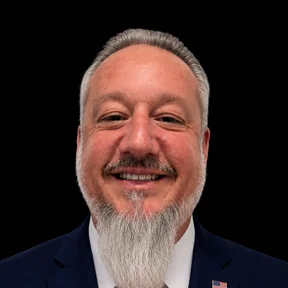
About Victor J. Rosario
Victor J. Rosario is the Residents-First candidate for Miami-Dade County Mayor 2028. A U.S. Coast Guard veteran, entrepreneur, technologist, and artist, Victor brings a track record of building real solutions — from AI tools to campaign policy — that serve Miami-Dade's 2.8 million residents.
Learn More About Victor